The Soul of Ceramics Exploring Yixing Clay Pots
The Soul of Ceramics Exploring Yixing Clay Pots
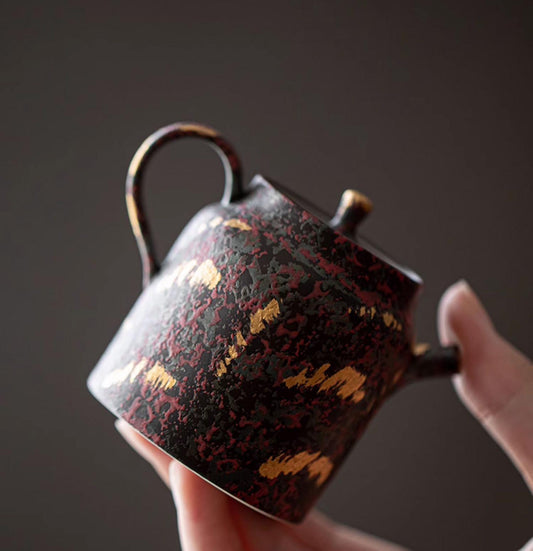
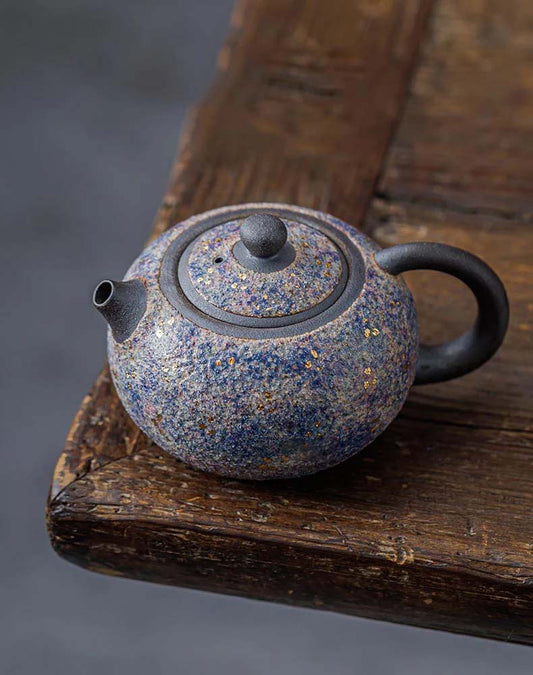
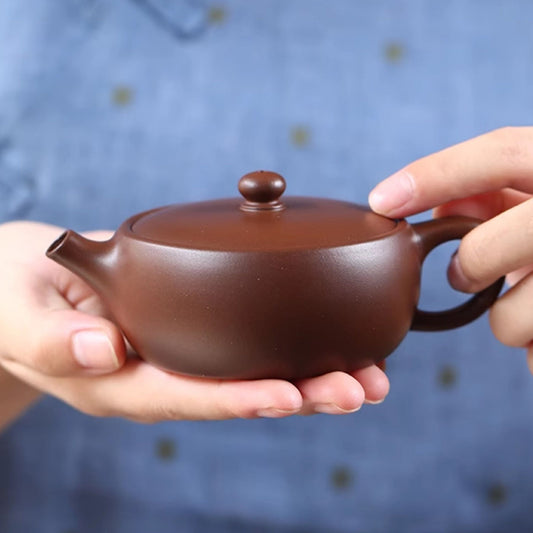
In the quiet town of Yixing, nestled in China’s Jiangsu province, the earth has a particular richness that distinguishes it from other lands. This clay, known as zisha or purple sand, has been the heartbeat of the Yixing teapot for centuries. While its sandy texture might feel unrefined at first touch, its true magic reveals itself when shaped by skilled hands into a piece of pottery that transcends its humble beginnings.
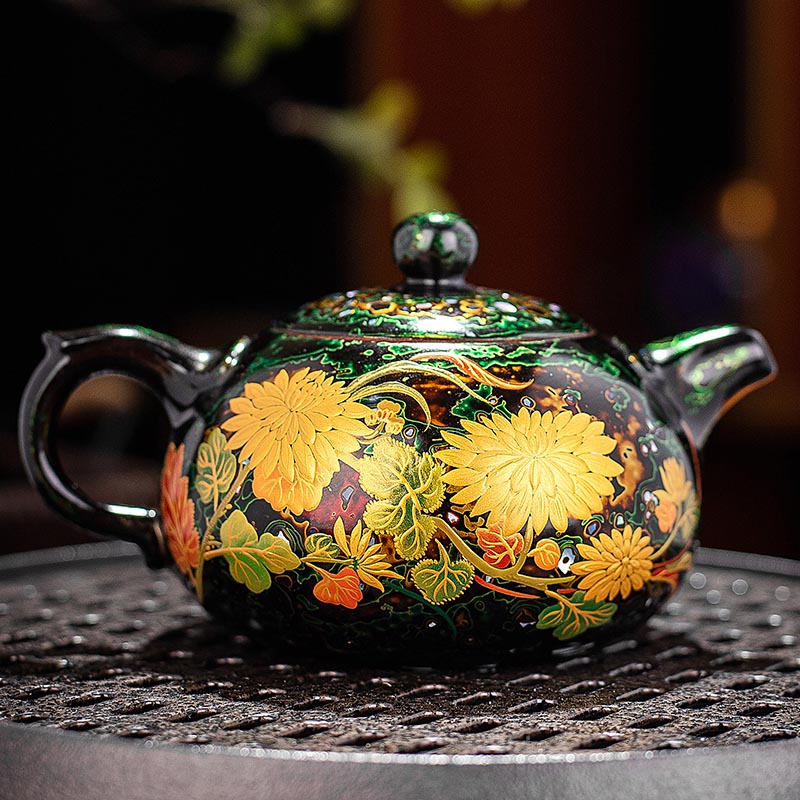
The Yixing teapot is not just a vessel for brewing tea; it is a bridge between the past and the present, a link to the artisans of the Ming Dynasty who first elevated tea drinking into an art form. As you cradle a Yixing pot, you are holding a legacy, a piece of art that reflects a craftsman's devotion and the slow passage of time.
Each pot tells a story, often imprinted with the signature seal of its maker on the base. These marks are more than just stamps; they convey the pride, heritage, and unique identity of their creators. Crafting a Yixing teapot is a delicate dance between the elements—fire, earth, and water—and the hands that shape it. The clay is fired at high temperatures, a process that requires patience and precision, and results in a pot that is incredibly durable yet remarkably porous. This porosity allows the teapot to absorb the essence of the tea brewed within it, making each brew more flavorful than the last.
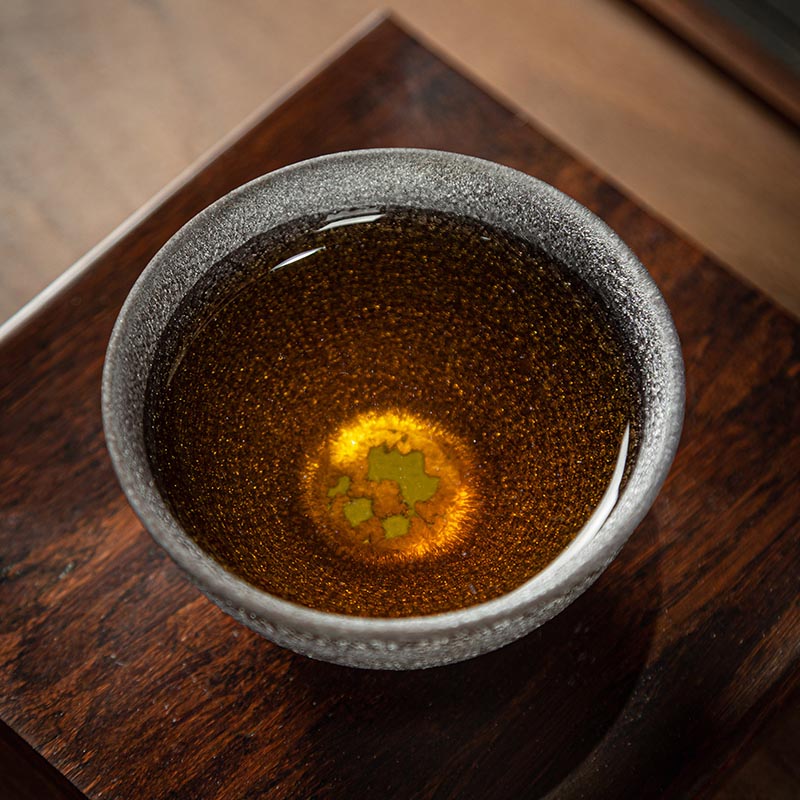
Slowly, with repeated use, the pot develops a sheen—a patina that tea enthusiasts revere as much as the tea itself. A seasoned Yixing teapot can enhance the flavor profiles of the teas it brews, becoming a silent partner to the tea leaves, enhancing their aromatics with each infusion. It's no wonder that many dedicate one pot per type of tea, allowing the vessel to season over time with the distinct character of oolong or pu-erh.
Historically, the Yixing teapot holds a cherished place in the annals of tea culture. During the Qing Dynasty, these teapots were not just utilitarian items but also status symbols. They graced the tables of emperors and were exchanged as gifts among scholars and poets. It’s said that the renowned literary figure, Shen Fu, found solace in tea brewed in his Yixing pot, its warm simplicity bringing clarity amid life's turbulence.
Today, as we sip our teas and seek connection in an increasingly fast-paced world, the Yixing teapot offers a moment of stillness. It serves as a constant reminder of the craftsmanship and cultural richness that define traditional Chinese tea culture. Each time I use one, it feels like engaging in a quiet conversation with its creator and the countless others who have cherished this art form before me.
In a world obsessed with the new, the Yixing teapot stands as a testament to timelessness, an object of beauty shaped by skilled hands and enriched by its history. It reminds us that sometimes, the most profound joys can be found in the simplest rituals. There’s a certain peace in knowing that every brew brings us a little closer to the heart of tea. It makes you wonder how something so unassuming can hold so much of the world within its gentle curves, doesn’t it?