Where to Buy a Teapot for Gongfu Tea Brewing: Tips from Real Tea Shops
If you are looking to buy a teapot for Chinese tea, it helps to decide first how you actually drink tea. The right place to buy one depends on whether you want something to admire occasionally or something you will reach for every day, rinse, heat, and use without ceremony.
For gongfu brewing, where you are making short infusions of loose leaf tea, the teapot is not a decorative accent. It is a working tool. Size matters. Most people new to this style are surprised at how small a proper pot feels. One hundred to two hundred milliliters is common. Small enough that when you tilt it, the liquid leaves quickly and cleanly. Small enough that the tea does not sit too long between pours.
If you have access to a serious tea shop that actually brews tea in house, that is one of the best places to start. Not because of the selection alone, but because you can often handle the pots. Pick them up. Fill them with water if they allow it. Notice the balance when you tilt the pot to pour. Does the handle give your fingers enough room? Does your thumb naturally rest on the lid knob without strain? When you pour, does the stream break or sputter, or does it run in a clean arc? After you empty it, does the last drip cling to the spout or snap back neatly?
These are small things, but they become very obvious after a few sessions.
In a good shop, you can also look closely at lid fit. Turn the pot slightly in your hands. The lid should sit securely, with just a slight, almost silky resistance when you rotate it. Not loose, not grinding. When you press the air hole and pour, the stream should slow or stop. That tells you the seal is decent. It does not need to be airtight like laboratory glassware, but it should feel considered.
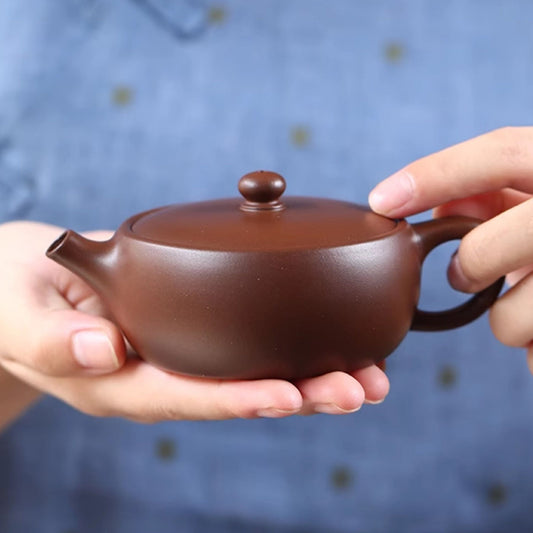
If you are interested in Yixing clay, it is especially important to buy from someone who understands what they are selling. The clay surface should feel dry and fine, not sandy or chalky. The proportions of the pot should feel coherent. Spout and handle aligned, body neither swollen nor pinched without intention. There is a certain quiet rightness to a well made Yixing pot. Over time, as you brew, the surface develops a soft sheen from handling and tea oils. It should not look artificially glossy from the start.
At the same time, porcelain is often overlooked. A simple white porcelain teapot can be one of the most honest purchases you make. It shows the color of the liquor clearly. It does not absorb aroma. It is easy to clean if you switch between oolong, black tea, and green tea. When you lift the lid during brewing, steam beads along the glazed rim and runs back into the pot. The glaze, if well applied, has depth under soft light, not a flat shine. Turn it over and look at the foot ring. A neatly finished foot, smooth but not overly polished, tells you something about the care in firing and trimming.
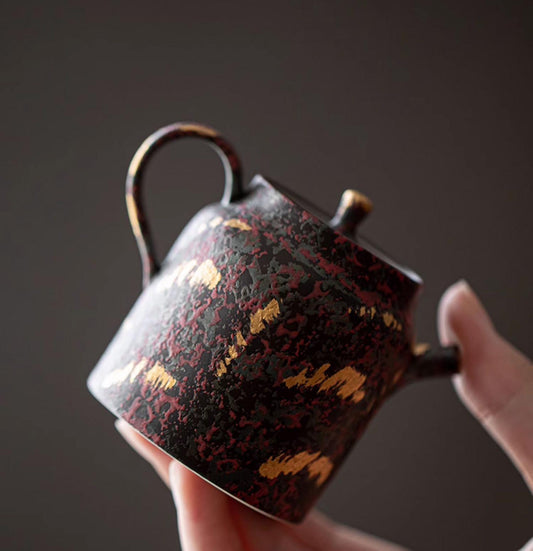
Ceramic studios and pottery markets can also be good sources, especially if the potter actually drinks tea. You can usually tell. The strainer holes inside the spout will be placed thoughtfully, not as an afterthought. The interior will be easy to rinse. The lid knob will be sized for wet fingers. Sometimes you will see small irregularities in handmade work, a slight asymmetry in the curve of the body or a faint throwing line under the glaze. Those are not flaws if the pot pours beautifully and feels stable in the hand.
Buying secondhand is another path, though it requires patience. Older pots often reveal their history in subtle ways. The lid may settle into the body with a softened click from years of use. The clay may feel smoother, especially around the handle and lid knob where fingers have rested repeatedly. You do need to be careful about cracks, repairs, and residue inside. Smell the pot when it is dry. A sour or stale scent can linger if it was poorly stored. Minor tea staining is normal. Structural cracks are not.
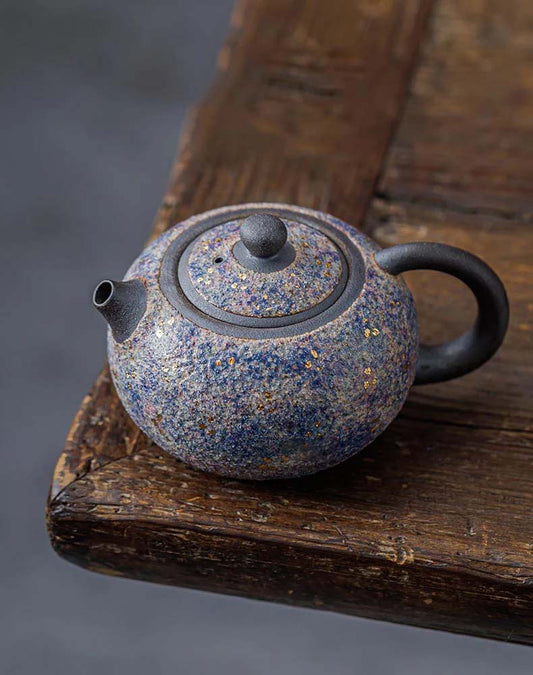
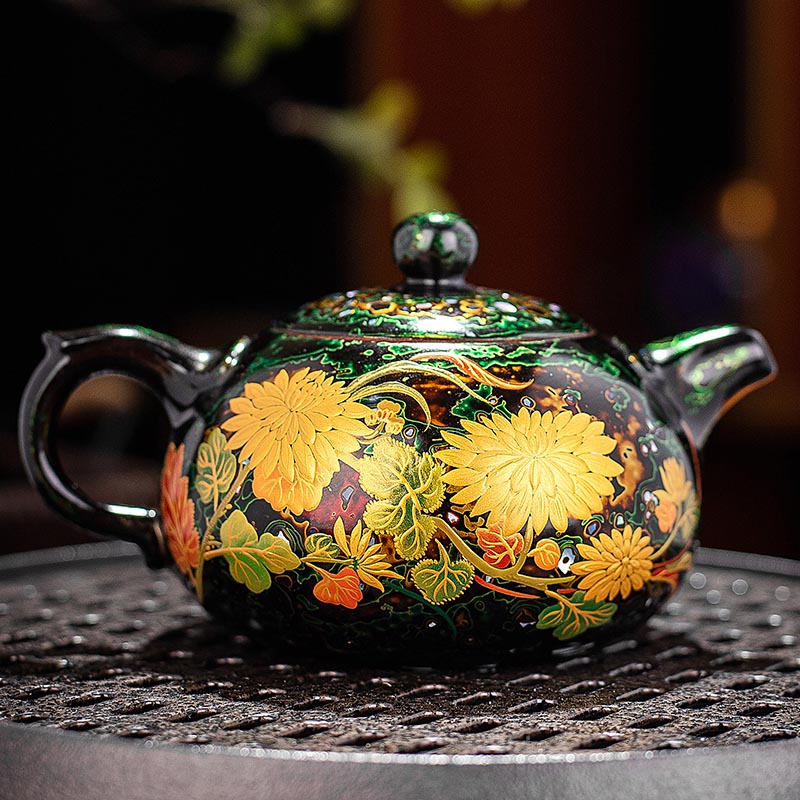
Online purchasing is unavoidable for many people, especially if you live far from a city with active tea culture. In that case, look for clear photographs of the pot from multiple angles, including inside the spout and under the lid. Pay attention to proportions rather than surface decoration. A heavily carved pot can distract from an awkward shape. A plain, well balanced form often ages better in daily use.
Be realistic about how you live. An unglazed clay pot dedicated to one type of tea can be deeply satisfying if you brew that tea often. If your tea habits shift week to week, a glazed pot or gaiwan might serve you better. Think about cleaning. Think about storage. Think about whether you will feel comfortable actually using the pot, not just displaying it on a shelf.
A good teapot reveals itself slowly. The first few sessions are practical. You are testing heat retention, pour speed, how quickly the leaves open inside. After a few weeks, you stop thinking about it so much. Your hand finds the handle without adjustment. The lid settles with a familiar sound. When you tilt to pour, the stream lands exactly where you expect, into the fairness pitcher or directly into the cups.
Where you buy the pot matters less than whether it invites this kind of use. If you can hold it, pour from it, and imagine yourself rinsing it out at the sink after an ordinary afternoon session, that is usually a good sign. The right teapot does not insist on being admired. It waits on the tray, ready to be warmed, filled, and tilted again.