Japanese Miniature Tea Sets Can Feel Surprisingly Serious
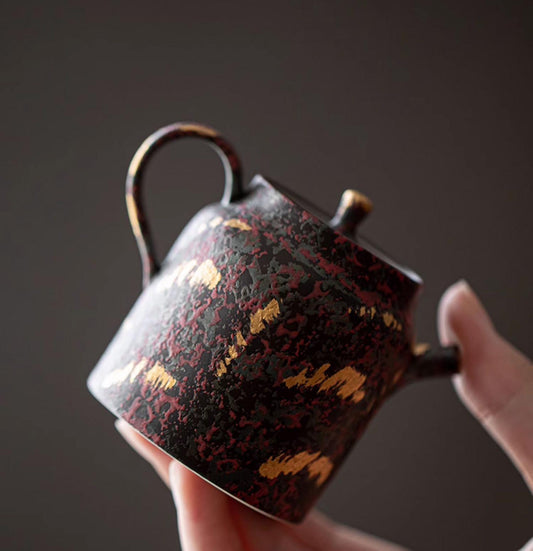
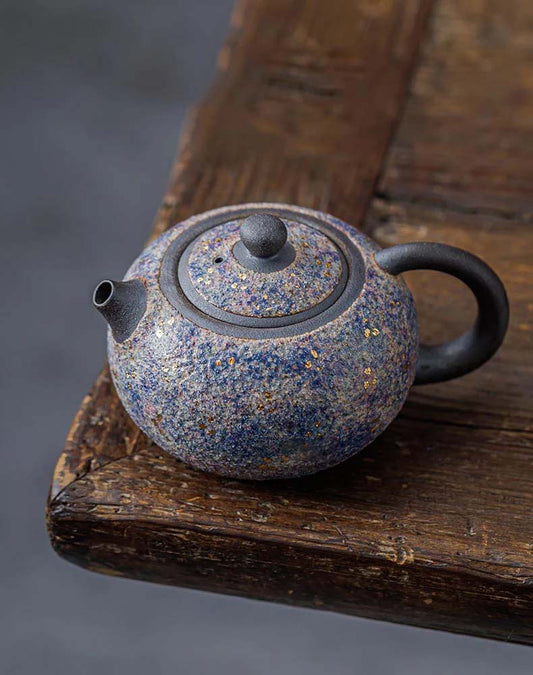
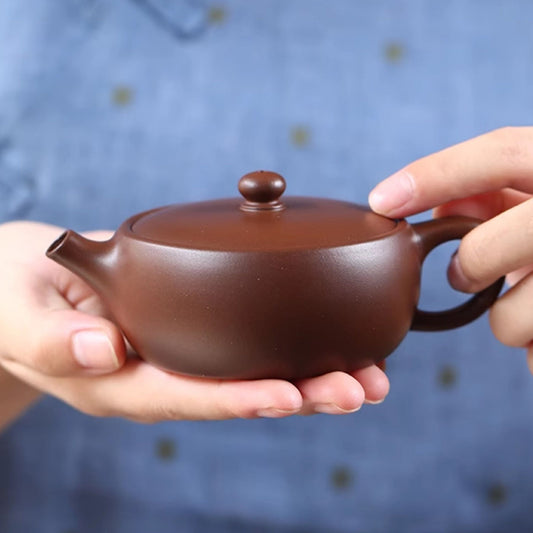
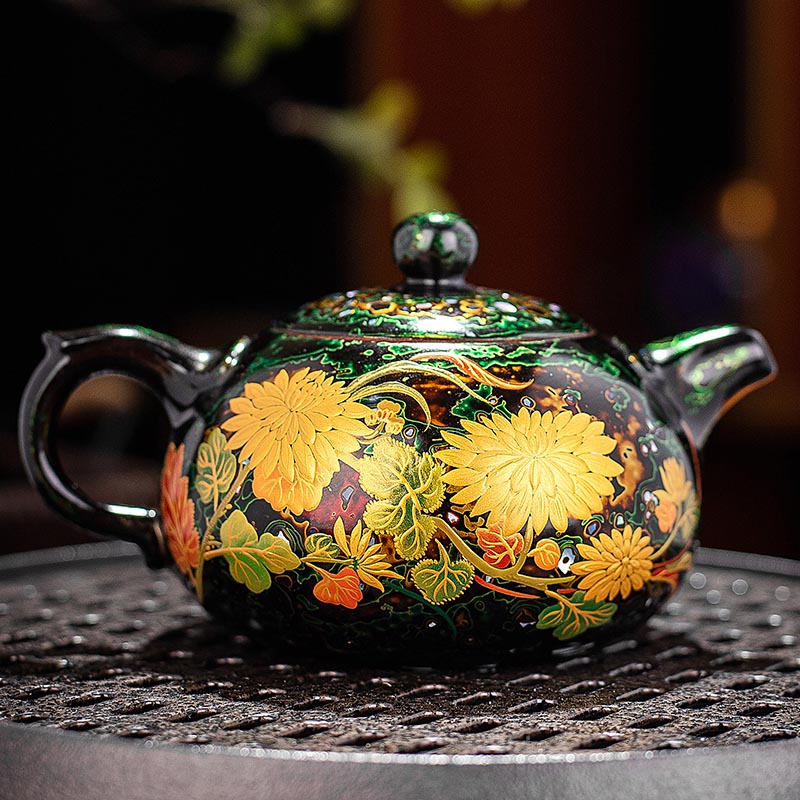
The first time you handle a Japanese miniature tea set, the scale is what unsettles you. A teapot barely larger than a plum. Cups the size of a child’s thimble. Everything reduced, but not toy-like. The proportions are deliberate. The spout still aligns with the handle. The lid still seats with a faint, snug click. The foot ring is trimmed cleanly. It asks to be taken seriously, even if your fingers feel oversized around it.
For someone used to Chinese gongfu brewing, smallness is not unfamiliar. Yixing pots for oolong can be 80 or 100 milliliters. Tasting cups are meant for two or three sips. But Japanese miniature sets often go even smaller, especially those made as display pieces or for compact domestic use. The surprise is how functional many of them remain. The lids are fitted, not decorative. The strainers inside the spout are pierced carefully. When you tilt the pot, the stream can be thin and steady rather than dribbling.
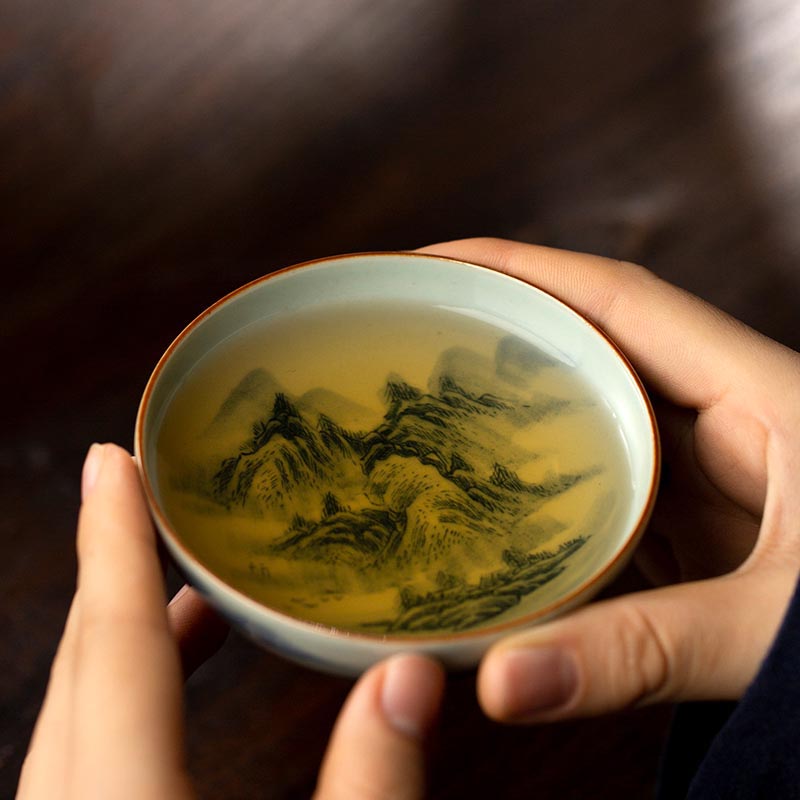
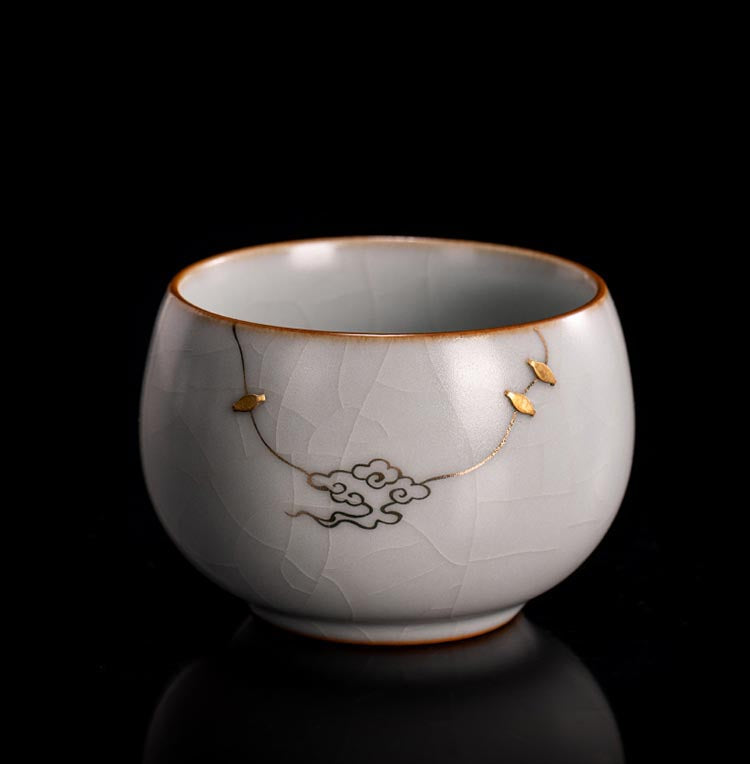
In the hand, the differences from Chinese ware become clear. Many miniature Japanese sets are porcelain, sometimes very white, sometimes with a faint bluish cast under glaze. The glaze often has a soft gloss rather than the glassy brightness of modern mass production. Under lamplight it carries a quiet sheen, especially along the curve of the shoulder or the rim of a cup. If the set is clay, it may be a fine, iron-rich stoneware, fired a little tighter than Yixing. The surface feels smoother, less sandy. It warms quickly when filled and cools quickly too.
Because of their size, these pots demand attention to proportion. A handle that is even slightly too thick makes the whole piece look clumsy. A spout that sits too high breaks the line of the body. In well-made examples, the spout emerges low and clean, with a subtle upward lift at the tip. When you pour, the pot does not feel front-heavy, even though your fingers are pinching something very small. Balance becomes more obvious at this scale. There is no room to hide a miscalculation.
Using one for actual tea shifts your brewing slightly. If you are preparing a rolled oolong or a fine sencha, the tiny chamber fills quickly once the leaves open. You learn to use less leaf than you think. The first infusion is brief. The pour must be decisive, because the small volume cools fast once exposed. With practice, the rhythm becomes almost playful. Fill. Cover. Wait a few breaths. Pour completely. A well-fitted lid stays steady against the knob as the stream runs out in a narrow line.
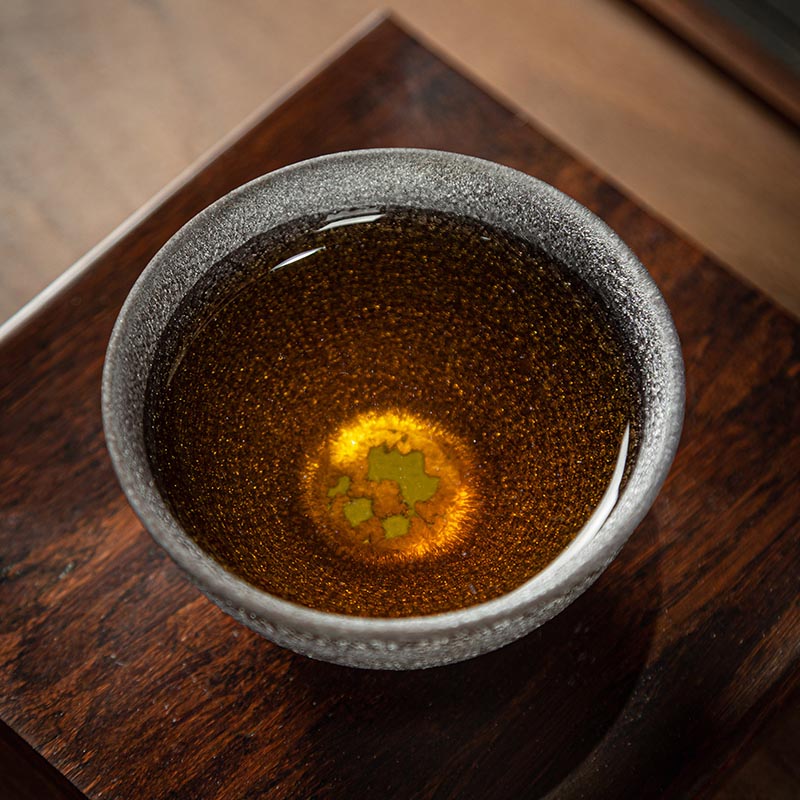
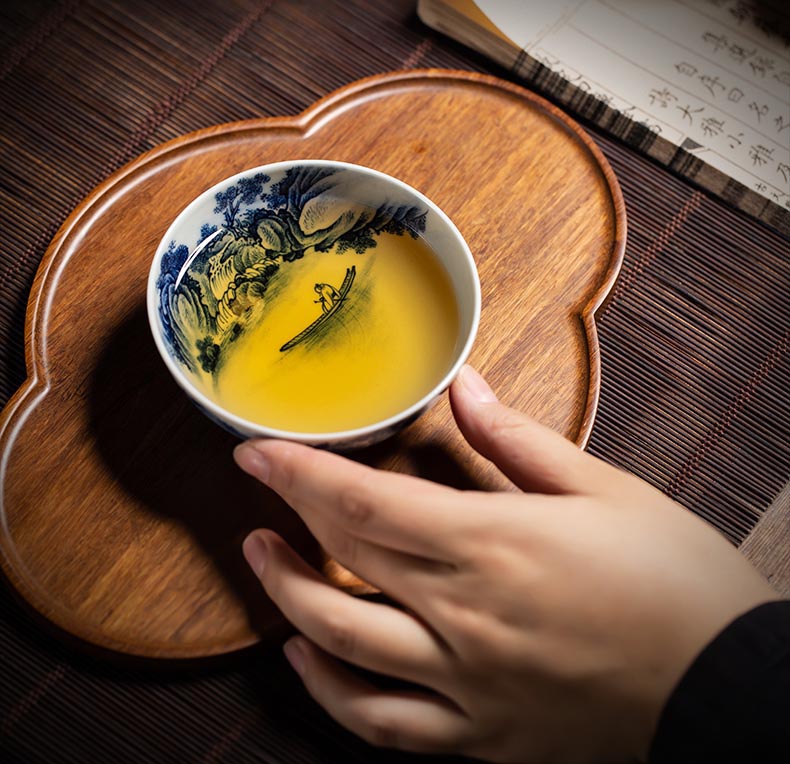
The cups, when truly miniature, change how you taste. A sip is small enough that you finish it before the temperature drops. There is no lingering heat in the porcelain. You bring the cup up, tilt, and the tea is gone. It makes comparison between infusions very clear. In gongfu sessions with larger cups, there is sometimes a moment of holding, turning the cup in the hand. With these, the contact is brief. You notice aroma first, then texture, then it is finished.
Not every miniature set is practical. Some are so reduced that cleaning becomes awkward. Your finger will not fit inside. If the spout clogs with leaf fragments, you need a fine brush. Staining shows more quickly on bright white porcelain, especially if you brew darker teas. And because the walls are thin, they can chip easily at the rim if stacked carelessly. They are not as forgiving as a sturdy Yixing pot that absorbs handling over years.
Still, there is something instructive about them for anyone used to Chinese tea ware. They make you look again at fundamentals. Does the lid seal well enough to control the pour? Is the spout cut cleanly so the last drop does not crawl back along the underside? Does the foot ring sit flat, or does the pot rock on the tray? These are questions we ask of any serious brewing vessel. In miniature form, the answers are visible immediately.
When placed alongside a Yixing pot or a Chinese gaiwan, the contrast is not dramatic in a cultural sense. It is more about temperament. The Yixing clay darkens with oils from the hand. Over time it takes on a low, lived-in sheen. A porcelain miniature set tends to remain what it is. It may craze slightly in the glaze, fine lines forming under repeated heating and cooling, but it does not absorb in the same way. The relationship is different. One changes with you; the other keeps its distance.
I have seen collectors keep miniature sets in glass cabinets, arranged in tight rows. They can look almost too perfect there. On a working tea tray, next to a fairness pitcher and a small dish for wet leaves, they come alive. Steam rising from a pot no bigger than an egg feels slightly improbable. The sound of the lid settling after you tap it back into place is high and clear. When you line up four tiny cups and fill them in sequence, the act feels precise rather than precious.
The scale encourages restraint. You cannot brew for a crowd. At most, two people sit close, leaning in. The conversation adjusts to that. It is not grand or ceremonial. It is just small enough that you notice your own movements more clearly. The way you grip the handle. The angle of your wrist. The last thin thread of tea leaving the spout before you set the pot down again.
Handled often, even something miniature acquires weight in memory. A faint tea line along the inner wall of the pot. A tiny chip on the foot ring that only you know is there. The glaze catching light differently where your thumb rests when you pour. None of that is symbolic. It is simply what happens when an object, however small, is used for its intended work.