Porcelain Teapot Sets Shine in Gongfu Brewing and Daily Tea Rituals
A porcelain tea pot set has a kind of clarity to it that becomes obvious the first time you brew with it. Not clarity as in symbolism or purity, just literal clarity. The glaze catches light in a direct way. The lines of the pot are visible without distraction. When you fill it with hot water, you can feel how quickly the body warms, how evenly it carries heat across the curve of the belly.
In gongfu brewing, porcelain behaves differently from Yixing clay. It does not absorb. It does not soften the edges of a tea over time. It reflects what you put into it. With a good oolong or a young sheng puer, that honesty is useful. The liquor stays bright. Aromatics lift cleanly from the cup. You can rinse the pot thoroughly and switch teas without worrying that yesterday’s roast is still lingering in the walls.
In a well-made porcelain teapot, the lid fit is something you notice immediately. There should be a slight resistance when you turn it, a soft suction when it settles. When you tilt the pot, the lid stays steady under a finger without wobbling. The sound is subtle, a quiet ceramic click rather than a hollow rattle. If the fit is off, even slightly, the pour will tell you. A good pour is continuous and round, not broken into spurts. When you cut the flow, it stops cleanly. No dribbling down the spout. No stray drops clinging underneath.
Porcelain allows for thin walls, and that affects brewing more than people expect. Thin walls mean the pot responds quickly. Water goes in at near boiling, the temperature drops just enough, and the leaves open fast. For green teas or lightly oxidized oolongs, this responsiveness keeps things lively. You do have to pay attention. The pot does not buffer your mistakes. If you oversteep, the liquor will show it.
In a full set, the relationship between the pot and the cups matters. Small porcelain cups feel almost weightless when empty, but once filled, they gain presence. The rim thickness changes how the tea enters the mouth. A slightly flared lip spreads the liquor across the tongue. A straight, narrow rim directs it more tightly. When tasting side by side, you can notice how much the cup shape influences aroma. The fragrance collects differently in a taller cup than in a shallow, wide one.
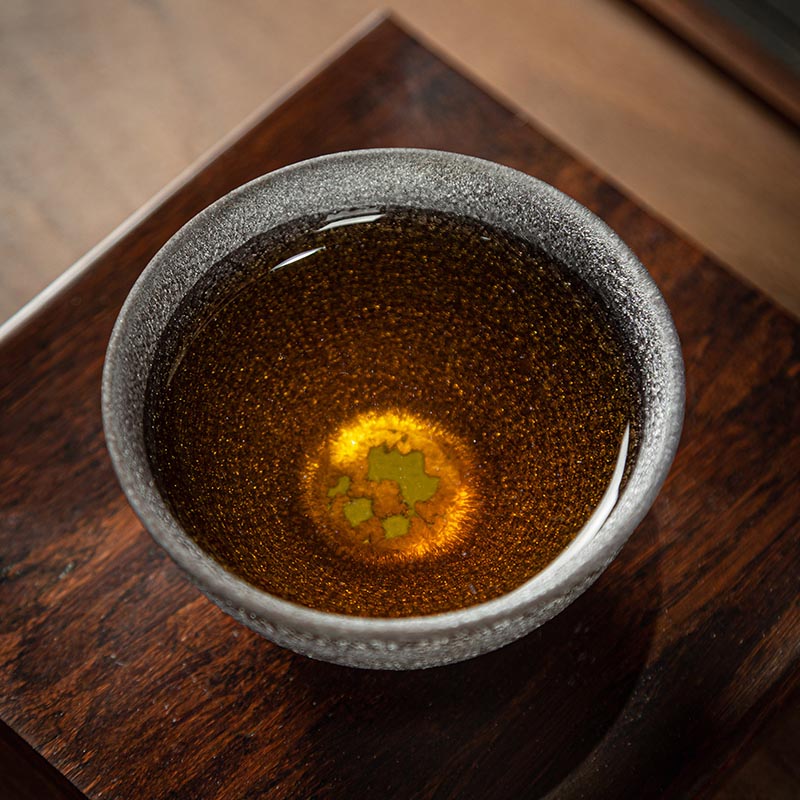
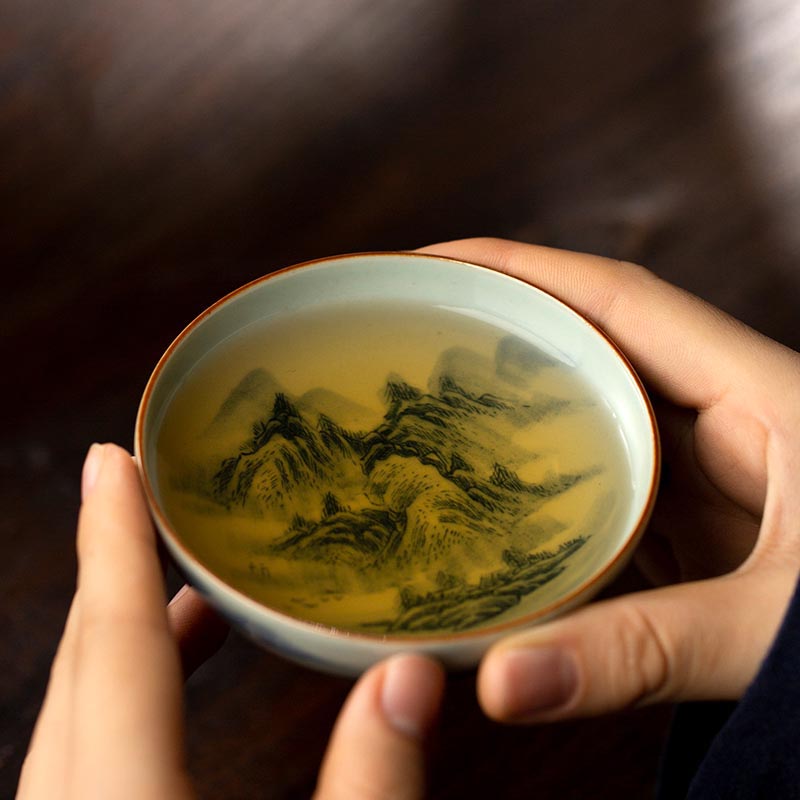
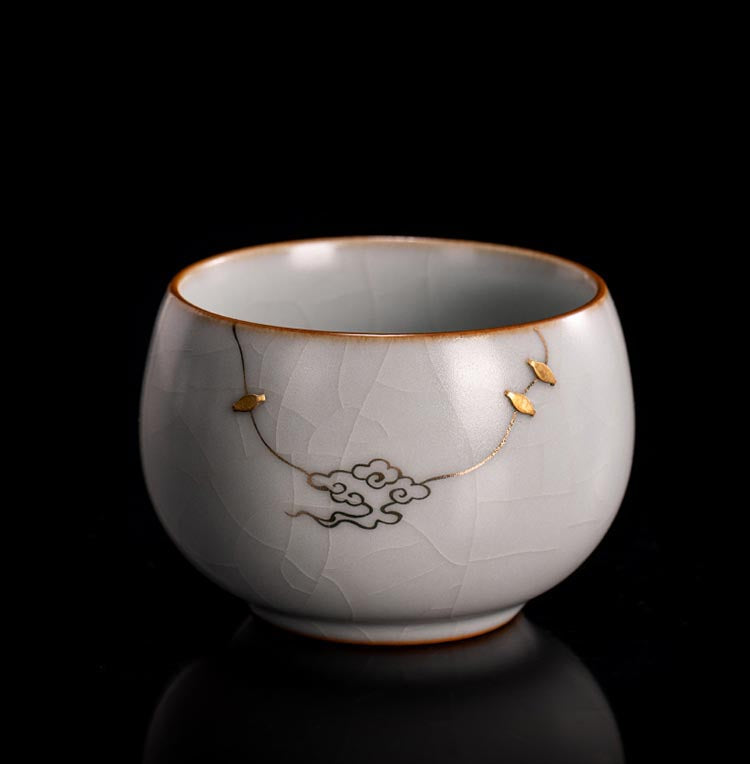
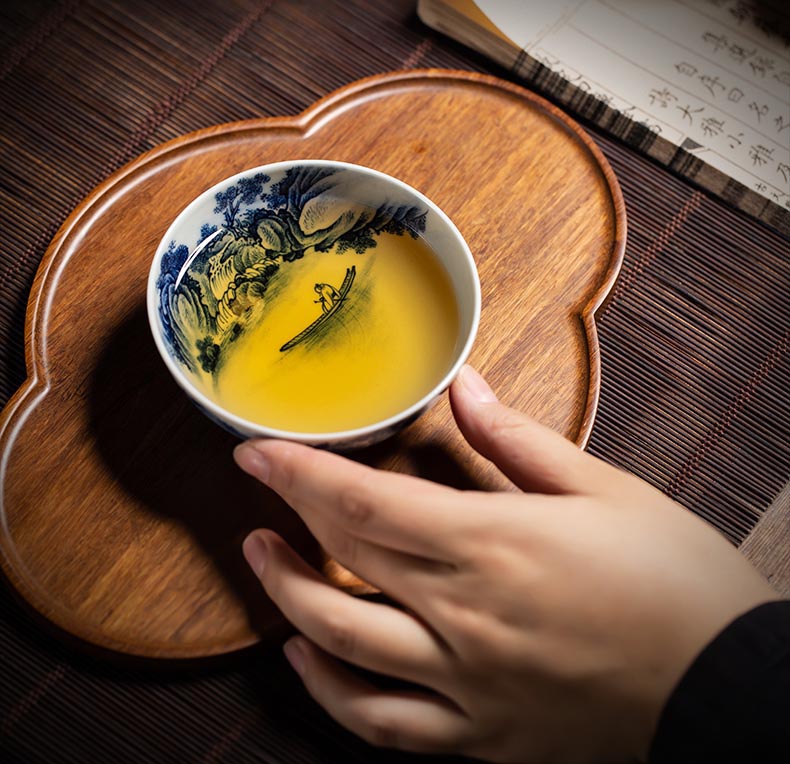
The glaze finish changes the experience in small ways. A high gloss glaze reflects the color of the tea like a mirror. Amber oolong glows warmly against a white interior. Pale green tea looks almost luminous. Some porcelain is finished with a softer, more satin surface. Under low light, it holds a quiet sheen instead of a bright shine. Over time, repeated handling gives even glazed porcelain a subtle change. The foot ring, unglazed underneath, becomes smoother where it meets the tea tray. The handle, if used daily, feels less slick and more familiar.
There is also the fairness pitcher, often part of the set but sometimes overlooked. In porcelain, it shows the true color of the infusion clearly before it reaches the cups. When you decant from the pot into the pitcher, you can watch the stream arc and settle. A well-shaped spout on the pitcher pours just as precisely as the teapot. It should not glug or hesitate. In a small tea session, that steady transfer keeps the rhythm intact. Brew, pour, distribute. The sequence becomes almost automatic after a while.
Porcelain is less forgiving physically than clay. It chips if knocked against the tray. A lid can crack if dropped on a hard floor. I have a pot with a faint hairline near the rim where the lid once slipped during cleaning. It does not affect the pour, but I see it each time I brew. Porcelain keeps a record of carelessness as clearly as it reflects light. At the same time, it is easy to clean. A rinse in hot water is usually enough. It does not stain deeply unless neglected for a long time.
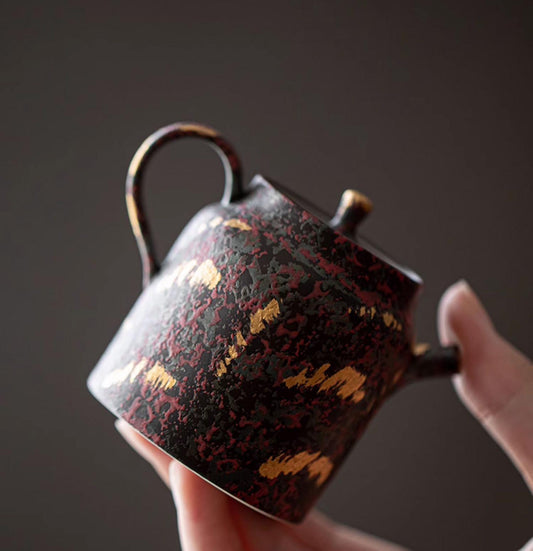
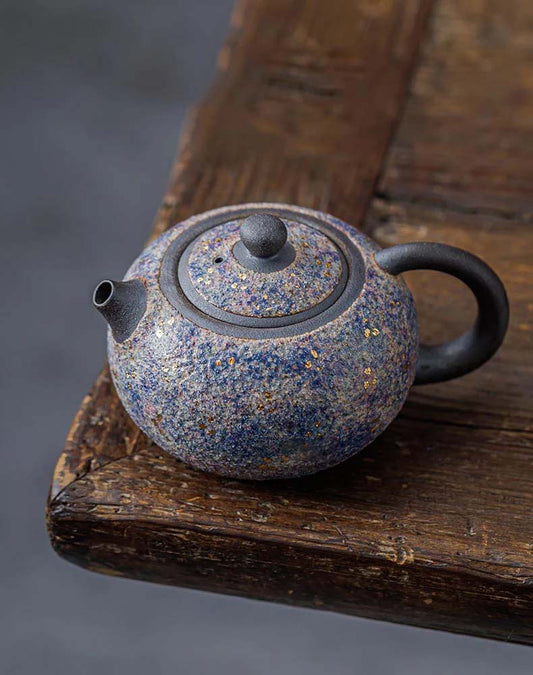
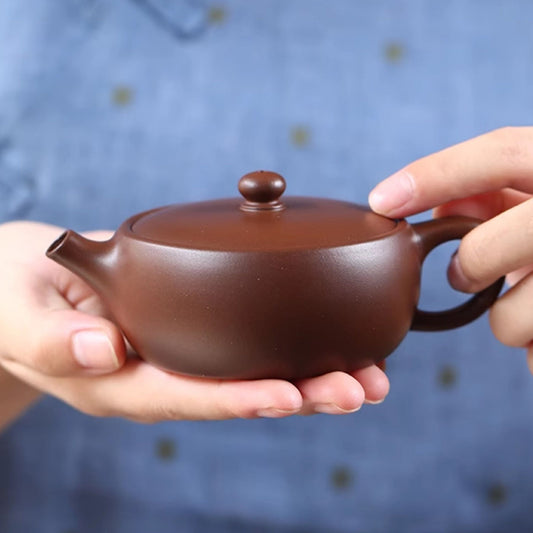
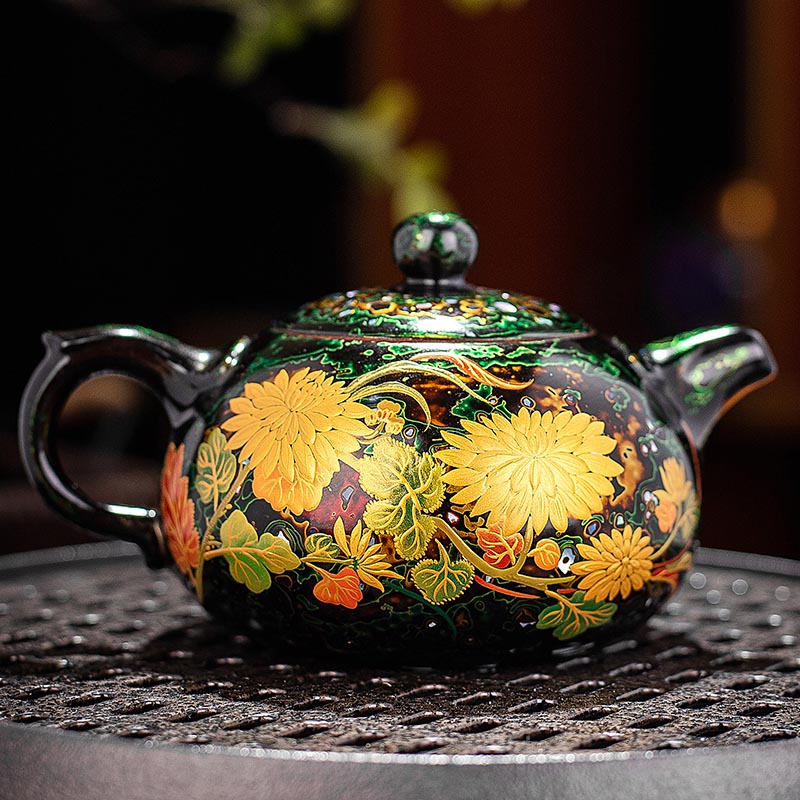
Decoration can range from almost nothing to intricate painted scenes. Personally, I tend to prefer minimal surface work for daily use. A plain white pot makes it easier to focus on the tea itself. That said, a lightly painted motif under the glaze can grow on you over years. The image fades into the background as you handle the pot again and again. What stays in the foreground is proportion. The way the handle balances the spout. The way the knob sits low or high on the lid. The way the pot feels when lifted full versus empty.
A porcelain tea pot set that lives on a shelf looks complete. Aligned cups, matching glaze, clean lines. But it only really makes sense when it is in motion. Lid slightly askew as steam rises. Cups rearranged as people reach for them. A thin ring of moisture forming on the tray. After dozens of sessions, the set loses its showroom neatness and gains something quieter. You learn how far to tilt before the pour accelerates. You know how hot the handle will feel after the third infusion. You stop thinking about the object as an object.
That is where porcelain shines for me. It does not ask for much interpretation. It asks to be used carefully, repeatedly, and with attention to how it performs. In the end, the quality of a porcelain tea pot set shows less in how it looks under bright light and more in how it behaves during that fourth infusion, when the room is quieter and the tea has settled into itself.