Defining the Masculine Tea Cup in Modern Gongfu Brewing
A masculine tea cup is usually recognized before anyone says the word. It sits a little lower and wider on the table. The walls are thicker. The glaze, if there is one, tends to be restrained or dark. It does not feel delicate in the fingers. When you pick it up, there is a small, reassuring weight that makes you adjust your grip.
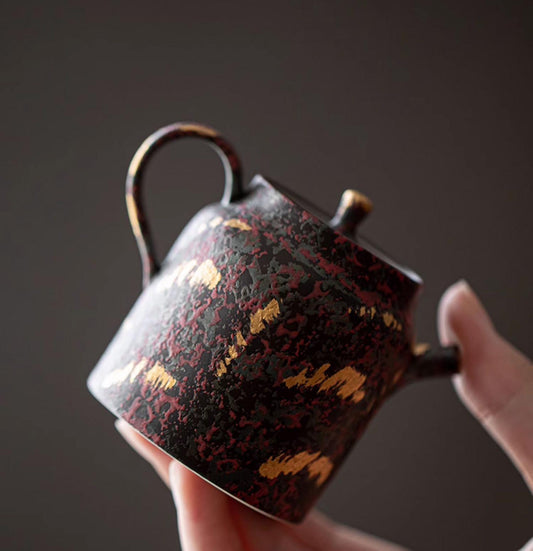
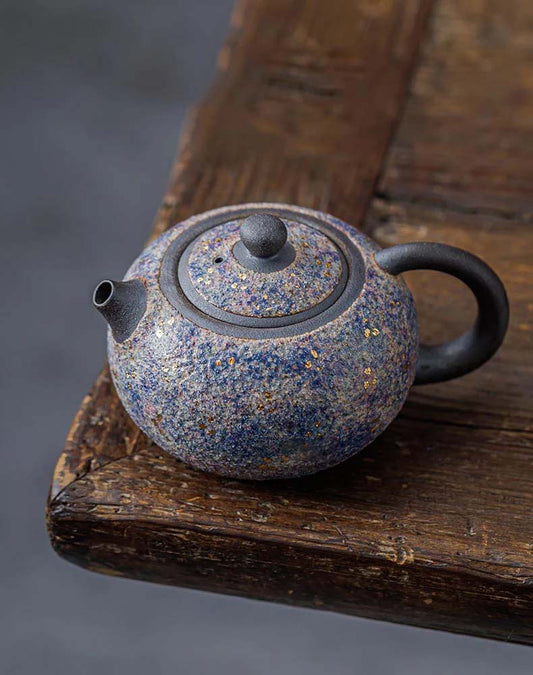
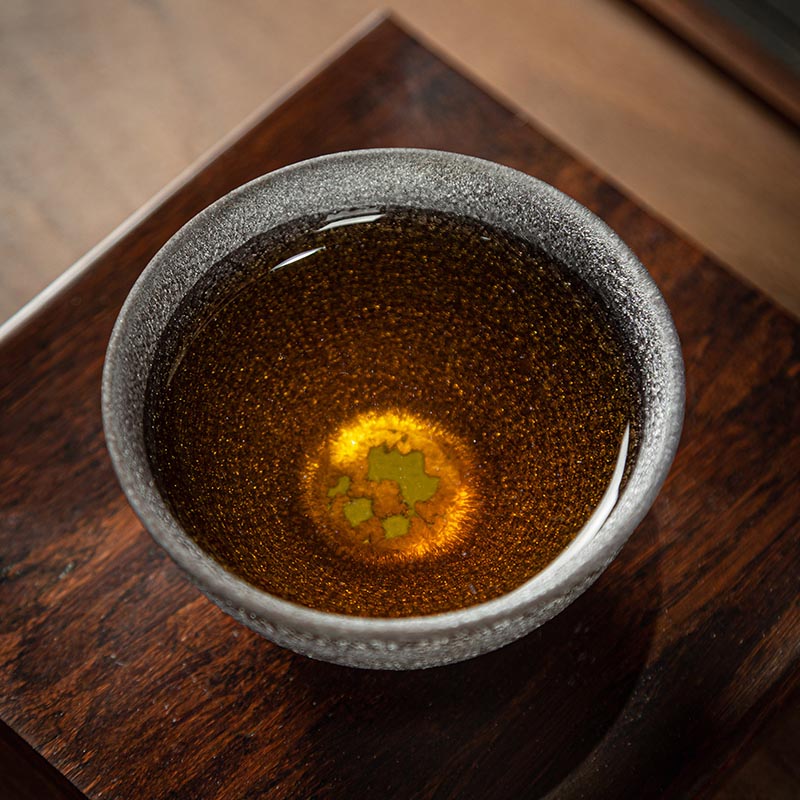
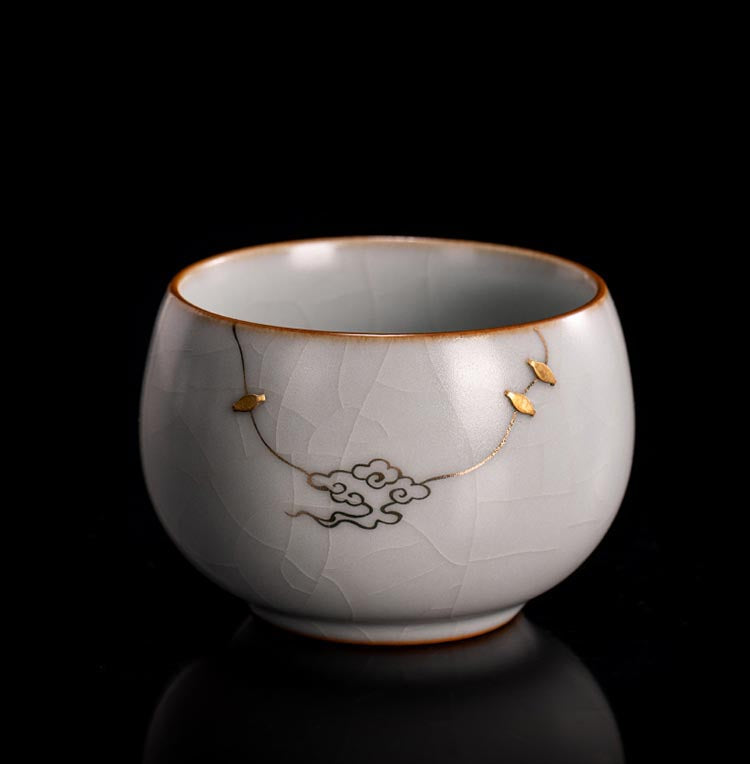
In gongfu brewing, most cups are small by Western standards, often no more than a few sips at a time. A so called masculine cup is not necessarily larger in volume, but it feels more grounded. The foot ring is broader. The body may flare slightly at the lip but keeps a steady profile. Sometimes it is made from unglazed clay, similar to Yixing, with a dry, sandy texture that warms slowly in the hand. Other times it is thick porcelain with a muted celadon or iron glaze that pools darker near the base.
The first thing I notice is how it takes heat. With thin porcelain, you have to be careful. The cup heats almost instantly and can feel sharp against the fingertips. A heavier cup absorbs the temperature in stages. When you pour from the fairness pitcher, the liquid hits the interior wall with a soft sound, and the warmth builds gradually through the clay. You can hold it a moment longer before sipping. That changes the pace of tasting. You are not darting in and out of contact with heat. You settle.
There is also something about the lip. Thicker rims carry tea differently. A thin rim can make the liquor feel bright and quick as it crosses into the mouth. A slightly rounded, fuller lip slows the flow. It spreads the stream. With roasted oolong or a dense shu puer, that rounded edge seems to suit the tea. The cup does not sharpen the experience. It supports it.
In group tastings, cups are often matched, small white porcelain that shows color clearly. That is useful and fair. But when someone brings out a darker, heavier cup for themselves, it is not always about display. Sometimes it is simply preference. A clay cup that has been used for years will soften in surface. The dry texture becomes smoother where fingers rest. The interior may darken slightly from repeated infusions. It is not staining in a careless way. It is a record of contact.
Craft matters here. A masculine cup that feels clumsy misses the point. If the walls are thick but the proportions are off, the cup becomes blunt. Good ones still have tension in the curve from foot to lip. The base sits level on the tray. When you set it down on a wooden tea table, it makes a low, clean sound, not a dull wobble. The glaze, if present, should not obscure the form. Even a dark iron glaze needs a certain clarity so the light can move across it.
I have handled cups where the clay was left almost raw, only lightly fired. They feel close to the earth, almost chalky at first. With use, oils from the hand and steam from the tea change that surface. It gains a quiet sheen, especially around the rim and upper body. This does not happen in a week. It comes from repetition. Rinsing, drying, lifting, setting down. Over time, the cup fits the hand more comfortably, not because its shape changes, but because your grip learns it.
There is a practical side to all of this. Thicker cups are harder to chip. In busy tea sessions, when the tray is wet and the fairness pitcher is being passed around, that durability matters. They are also easier to rinse without fear. On the other hand, they take longer to dry. Unglazed clay cups need attention so they do not hold stale moisture. They should not be left closed in a cabinet while still damp.
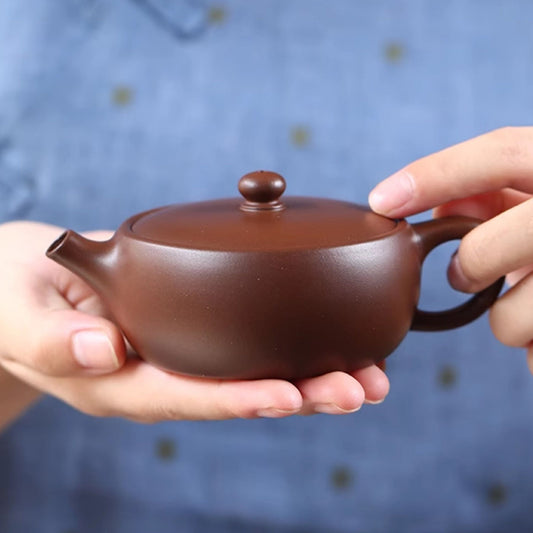
I would not say a masculine cup is better. It is a matter of alignment. Some teas benefit from the clarity of thin white porcelain. Green teas and high mountain oolongs show their color and aromatics more directly there. But when I brew a heavily fired Wuyi yancha in a small Yixing pot, pouring into a darker, weightier cup feels coherent. The cup does not distract with brightness. It holds the tea quietly.
In the end, the term masculine is a shorthand. What people usually mean is steady, grounded, less ornamental. A cup that does not ask to be admired first. It asks to be used. When you lift it, the warmth settles into your palm, and the tea arrives without fuss. That is often enough.