Where to Find Trustworthy Reviews for Handmade Teacups Online
If you are trying to buy a handmade teacup online, reviews matter more than almost anything else. A photograph can show glaze color and shape, but it cannot tell you how the foot ring is finished, whether the rim feels clean against the lip, or if the cup is slightly heavy in the hand after three infusions of oolong. On most online marketplaces, the only way to get close to those details is by reading what other buyers have noticed.
Large open marketplaces like Etsy tend to be the first place many Western tea drinkers look. Sellers there usually have a visible review history attached directly to their shop profile and to individual listings. What makes those reviews useful is not the star rating but the specific language people use. A good review will mention things like wall thickness, whether the glaze pooled unevenly inside the cup, how the color shifts in daylight versus evening light, or whether the cup feels balanced when lifted with two fingers during gongfu brewing. When someone writes that the rim is slightly irregular but comfortable, that tells me more than any polished product description.
The challenge with a marketplace like that is variation. Some sellers are actual studio potters shaping and trimming each cup; others are reselling factory-made porcelain described as handmade. Reviews help you see patterns. If ten buyers mention consistent size, careful packing, and subtle variations between pieces, that suggests real handwork. If reviews are vague and repetitive, or if buyers quietly note that the cup feels lighter and thinner than expected for the listed clay, I pay attention.
eBay is a different environment, but it also has a long-standing review system. It can be useful if you are looking for older pieces or small-batch studio work that circulates among collectors. Seller feedback scores are visible, and buyers often comment on accuracy of description and condition. This matters if you are buying a cup described as wood-fired or ash-glazed. Tiny glaze pinholes, iron spots, or slight warping at the lip may be intentional results of firing. A reliable seller will photograph those clearly, and reviews will usually confirm whether the piece arrived as shown.
What eBay reviews often lack is discussion of use. You may learn that shipping was fast and packaging secure, but not how the cup behaves in an actual tea session. That is where buyer questions and follow-up messages can sometimes fill in the gaps. I have seen sellers answer practical questions about whether a cup retains heat too aggressively for green tea, or whether the clay slightly softens the edge of a young sheng. Those exchanges can be more revealing than the star rating.
Some larger global retail platforms also allow reviews on handmade listings, though the term handmade can be applied loosely. The advantage of these sites is volume. If a teacup has hundreds of reviews, you can start to see consensus about glaze durability, staining, and long-term wear. Porcelain with a very clear glaze can develop faint tea lines after months of use, especially if you brew darker teas and let the cup air dry. A review written after a year of use is worth far more than one written the day the package arrives.
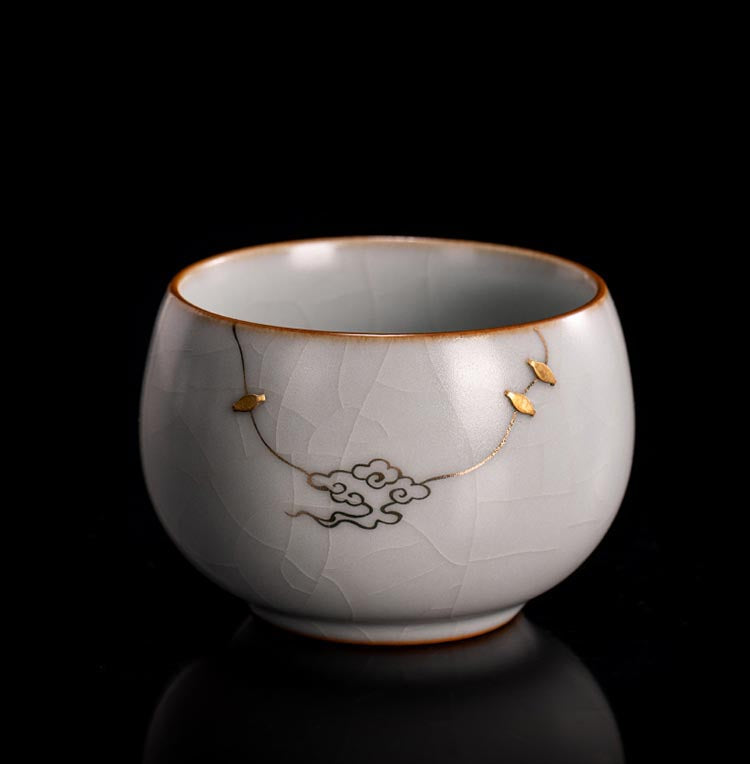
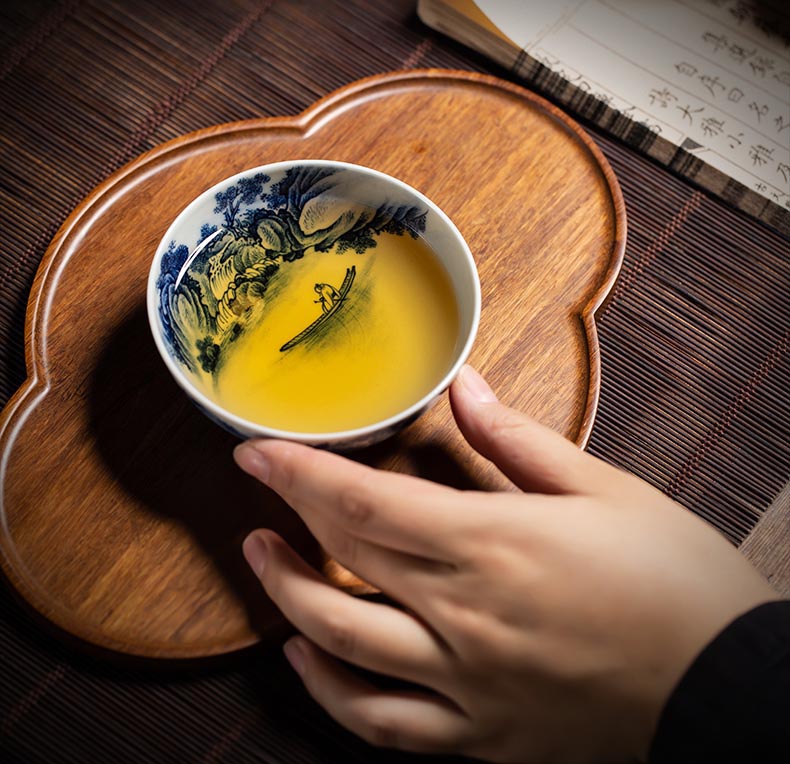
I look for comments that describe repeated handling. Does the unglazed foot ring stay smooth against a wooden tea tray, or does it scratch? Does the celadon glaze craze over time, and if so, does the seller acknowledge that as part of the aesthetic? When someone mentions that the cup sits steadily on a slatted bamboo tray without wobbling, that tells me the trimming was careful. These are small things, but they shape daily use.
There are also specialized tea community marketplaces and forums where members buy and sell teaware directly. Many of these have built-in feedback systems, even if they are simple. The tone there is often more detailed because buyers are active tea drinkers. Reviews may describe how a cup performs across multiple infusions, whether its flared rim directs aroma upward, or whether its thickness makes it better suited for yancha than for delicate green tea. Those practical observations come from people who brew often and notice small differences.
No online review replaces holding the cup yourself. You cannot feel the slight resistance of a well-fitted lid on a gaiwan through a screen, and you cannot judge the way a cup settles into your palm after it has warmed with tea. But reviews can narrow the distance. They reveal whether a seller understands proportion, whether packaging protects fragile rims, whether the glaze is applied evenly inside the bowl where tea will actually sit.
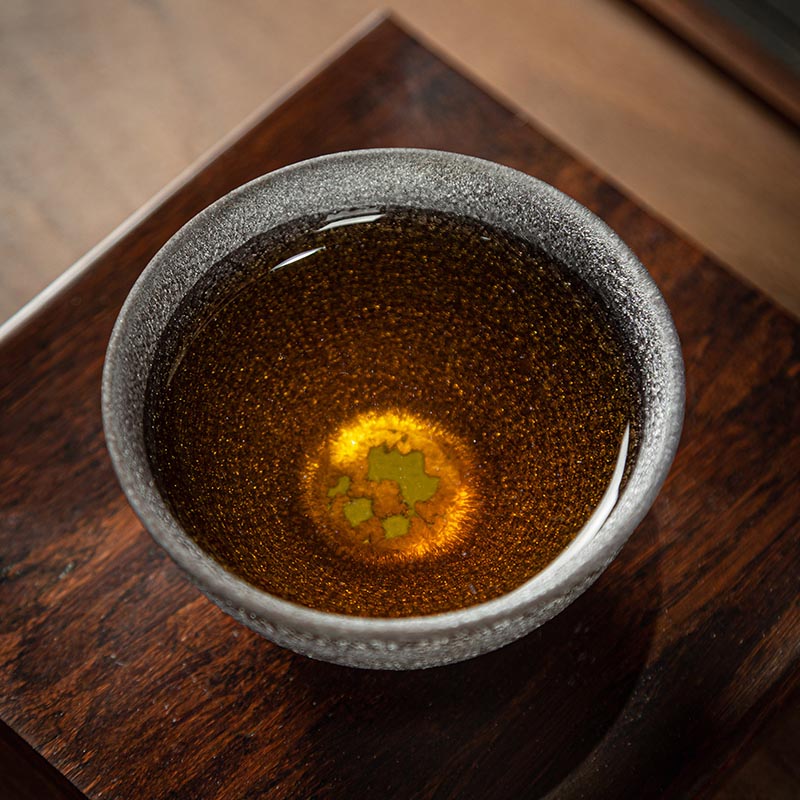
I read reviews slowly, looking for the quiet details. A buyer who mentions that the cup’s interior curve allows the last drops to gather neatly at the center has probably used it properly. A note about how the color of the clay deepens slightly after months of handling suggests unglazed stoneware that responds to touch. Those are the kinds of observations that matter.
In the end, the best marketplaces are simply the ones where buyers are allowed to speak plainly and at length. The more specific the review system, the better your chances of finding a cup that will not just look good in a photograph, but feel right after the fifth infusion, when your fingers are warm and your attention has narrowed to the sound of the pour.