Choosing the Right Tea Cup for Gongfu Brewing Styles and Preferences
When people ask me what tea cup to buy, I usually ask what kind of tea they actually drink and how they brew it. A cup isn’t just a container at the end of the process. In gongfu brewing especially, the cup is part of how you taste.
If you brew with a small Yixing pot or a gaiwan and pour into a fairness pitcher, the cup is usually small, somewhere between 40 and 80 milliliters. That size isn’t about delicacy or ceremony. It’s practical. You’re tasting multiple infusions, adjusting steep time, noticing how the aroma shifts. A small cup cools quickly enough to drink right away but still holds heat long enough to let the fragrance gather for a moment. You don’t want to wait five minutes for the liquor to become drinkable.
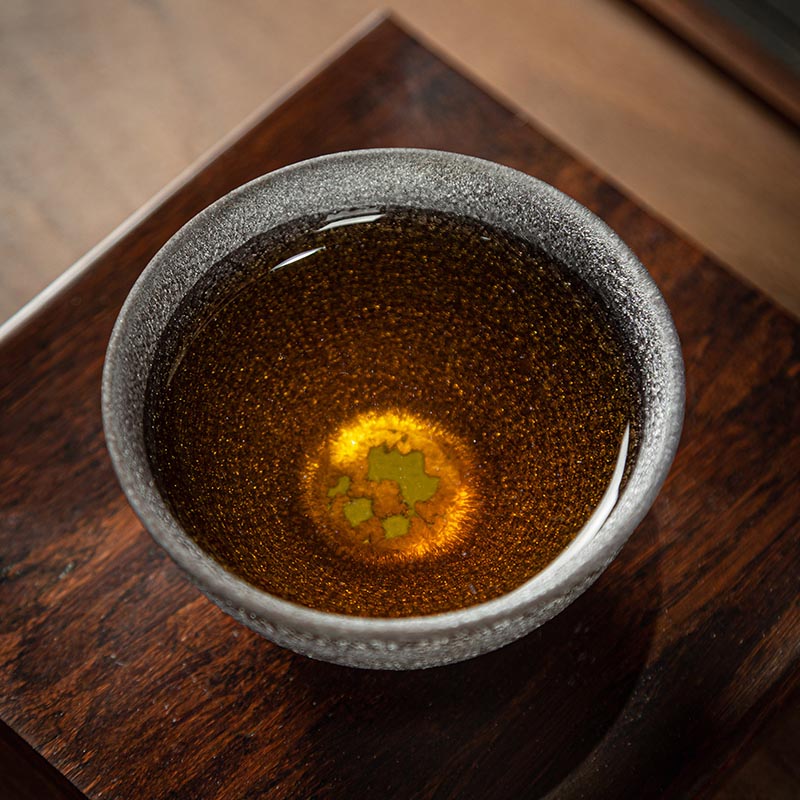
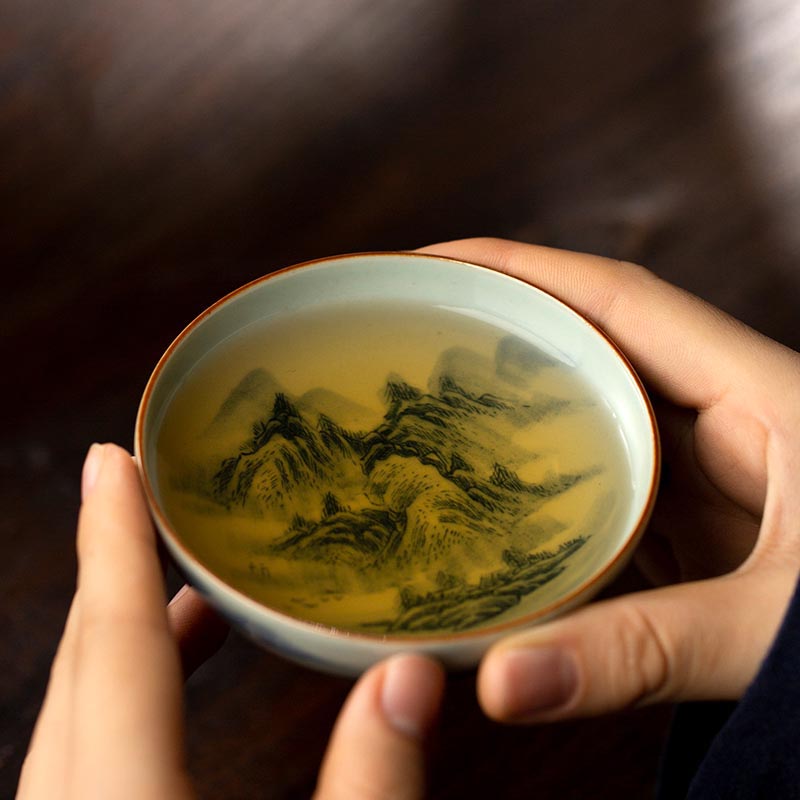
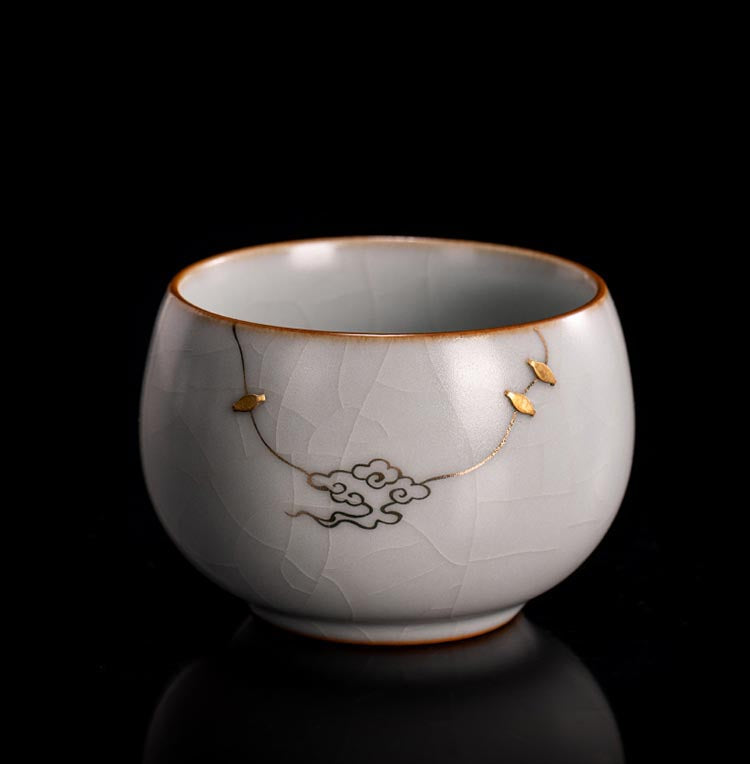
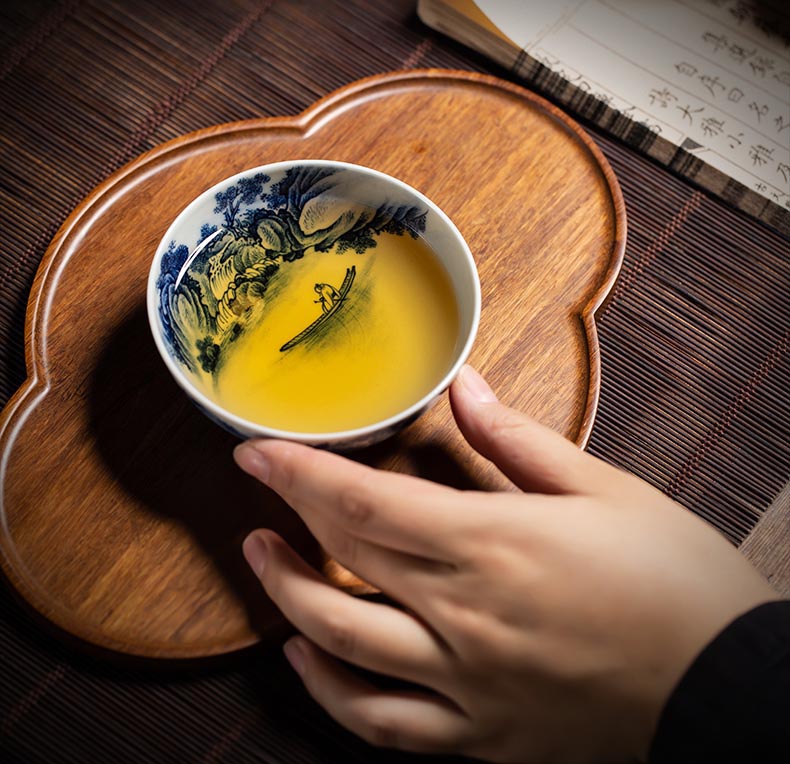
Porcelain is often the most straightforward place to start. A thin-walled, white porcelain cup shows you the color of the tea clearly, whether it’s the pale green of a high mountain oolong or the deeper amber of a roasted yancha. The glaze should be even and smooth inside. Run your finger along the rim. It should feel clean, not sharp, not thick and clumsy. When you lift it, the foot ring should be neatly trimmed so it doesn’t scratch the tea tray.
Thin porcelain feels almost weightless when empty, and that changes the way you handle it. You hold it a little more carefully. The heat comes through quickly, so you instinctively adjust your grip, cradling the base with your fingertips rather than wrapping your whole hand around it. That contact with heat is part of tasting. You notice how hot the tea really is, not just how it smells.
Clay cups are different. A small unglazed cup made from Yixing clay or other stoneware will mute the shine of the liquor. The surface is dry to the touch, sometimes faintly sandy. Over time, with repeated use, the clay darkens and develops a soft sheen where your fingers rest. The change is gradual. You don’t see it in a week. After a year of steady use, you do.
Clay also holds heat differently. The walls are often thicker, and the cup stays warm longer in your hand. For heavily roasted oolongs or aged pu-erh, that warmth can feel appropriate. The aroma lingers in the cup after you finish drinking. If you lift the empty cup to your nose, there’s a faint sweetness left behind. Porcelain releases aroma more quickly. Clay keeps it.
Shape matters more than people expect. A slightly flared lip directs the tea across the tongue differently than a straight cylinder. A narrower opening gathers aroma so that when you tilt the cup, the scent rises more directly. Some cups have a subtle inward curve at the rim, which slows the flow of tea just enough to make you sip rather than swallow. These are small adjustments, but when you drink the same tea in two different cups side by side, you notice.
Then there is proportion. A cup that looks beautiful on a shelf can feel awkward when filled. If the foot is too small for the body, it may wobble slightly on the tray. If the walls are too thick near the rim, the tea feels blunt when it touches your lips. If the glaze pools heavily at the bottom, the foot ring might sit unevenly. These are not dramatic flaws, but over months of use they become irritating.
I pay attention to how a cup sounds when I set it down. On a wooden tea tray, a well-balanced porcelain cup makes a light, clean contact. On a stone or ceramic tray, it should not clack harshly. The sound tells you something about the thickness and the density of the material.
If you drink tea casually, one or two cups are enough. If you host small tastings, matching cups help everyone experience the tea similarly. In a group, uneven cup sizes can change perception. The person with the larger cup may feel like they are drinking more, even if the infusion was measured carefully. That small imbalance can distract from the shared attention.
There are practical realities. Porcelain chips. Even careful people knock cups against a fairness pitcher or the edge of a tray. Very thin cups are more fragile. If you brew daily and wash quickly in the sink, you may prefer something slightly sturdier. Unglazed clay absorbs oils and can stain. That is not necessarily a problem, but it means you should dedicate the cup to one general type of tea rather than switching constantly between heavily roasted oolong and delicate green.
Cleaning is simple if you avoid soap with porous clay. A rinse with hot water is usually enough. Porcelain can handle more. Still, over-scrubbing the foot ring can roughen it, and once the glaze is scratched, it will never look the same.
Sometimes people want a cup that feels special. I understand that. But special often turns out to mean comfortable. A cup that fits naturally between your thumb and first two fingers. A rim that meets your lip without you thinking about it. A size that matches your brewing style so you are not constantly adjusting.
When I buy a tea cup now, I fill it with hot water before deciding. I hold it as if I were actually drinking tea. I tilt it and watch how the water moves. I check the balance when it is half full. These are small tests, but they tell you more than admiring the glaze from a distance.
After a few months of use, the right cup stops drawing attention to itself. It simply becomes part of the rhythm of brewing. You warm it with the first rinse, pour from the fairness pitcher, lift, sip, set it back down. The cup gathers a faint trace of tea scent over time, and the foot ring shows slight wear from the tray. None of this is dramatic. It is just evidence that the object has been used as it was meant to be.