Ceramic Teapots Enhance Heat, Flavor, and Brewing Control
A ceramic teapot earns its place on the table by doing its job well. That sounds simple, but after you have poured from enough vessels, you start to notice how much the material itself shapes the tea.
The first benefit is stability. Ceramic holds heat in a steady, predictable way. Whether it is a thin porcelain pot for green tea or a thicker stoneware pot for oolong, the walls absorb hot water and release it gently back into the liquor. With gongfu brewing, where infusions are short and repeated, that consistency matters. A porcelain pot heats quickly and cools quickly, which suits delicate teas that bruise under too much heat. A denser clay pot warms more slowly and keeps its temperature between infusions, helping rolled oolongs or aged teas open without sharpness. You can feel the difference in the palm. A thin porcelain pot becomes hot almost instantly and then comfortable again within a minute. A thicker clay pot stays warm against your fingers through several pours.
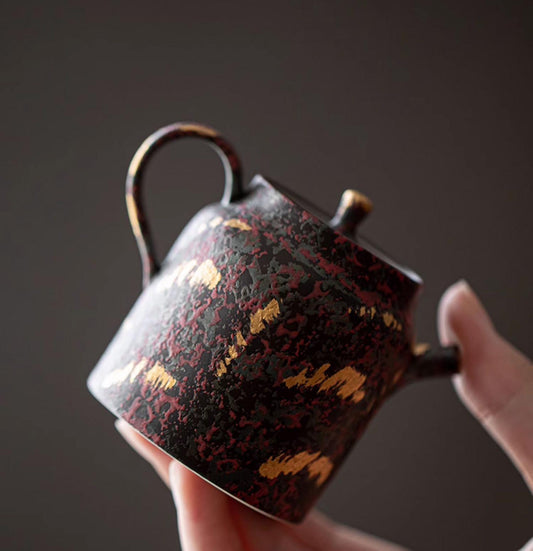
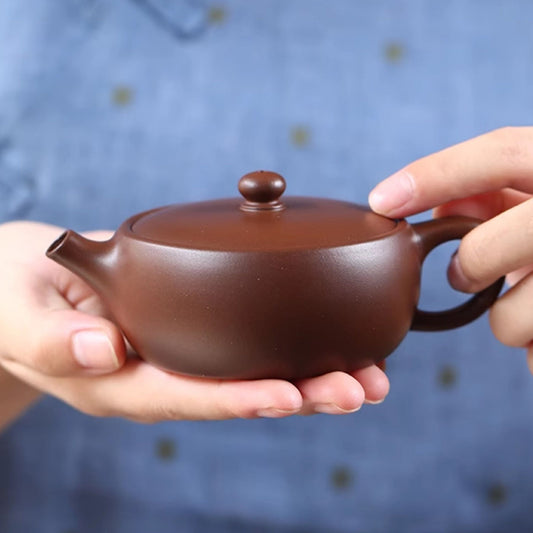
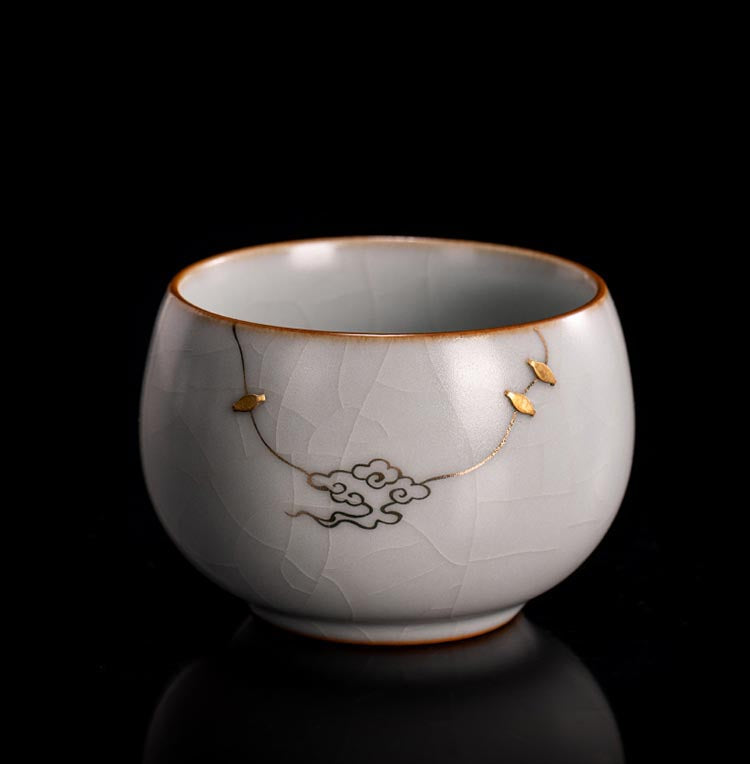
Unglazed clay has another kind of benefit, though it is more subtle. Over time, it changes. The surface grows smoother where your thumb rests. The interior takes on a faint sheen from tea oils. It is not mystical. It is just repeated contact between leaf, water, and clay. Some clays soften the edges of a tea, rounding bitterness slightly. You notice it most when brewing the same tea side by side in glass and in clay. The clay version often feels more integrated, less sharp at the edges. Not dramatically different, but enough that experienced drinkers prefer one pot for one category of tea and keep it that way.
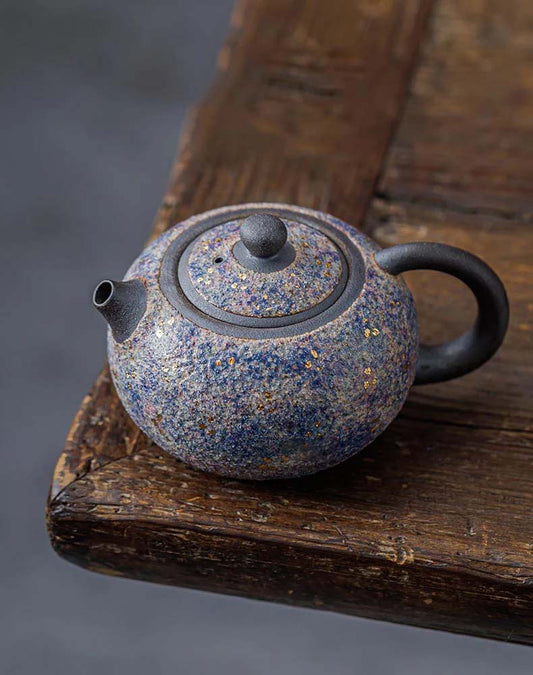
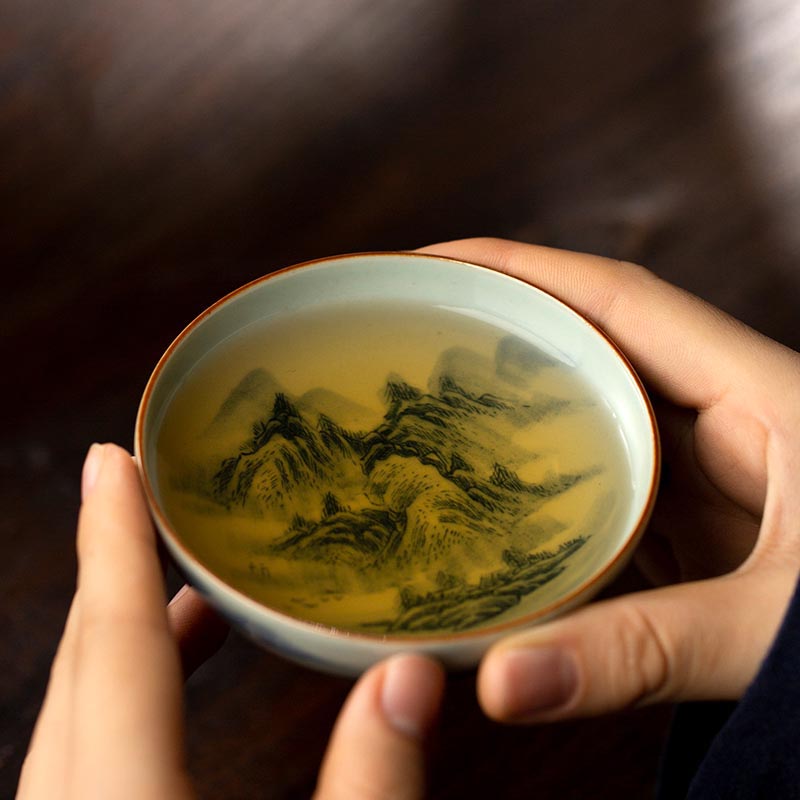
Porcelain, by contrast, is honest. It gives you the tea without adjustment. When I am evaluating a new green tea or a high mountain oolong, I reach for porcelain because it does not interfere. It is glazed, non-porous, easy to clean completely. No lingering aroma from yesterday’s shou puer. If you lift the lid and smell the underside after an infusion, the fragrance is clear and bright. Rinse it well and it returns to neutral.
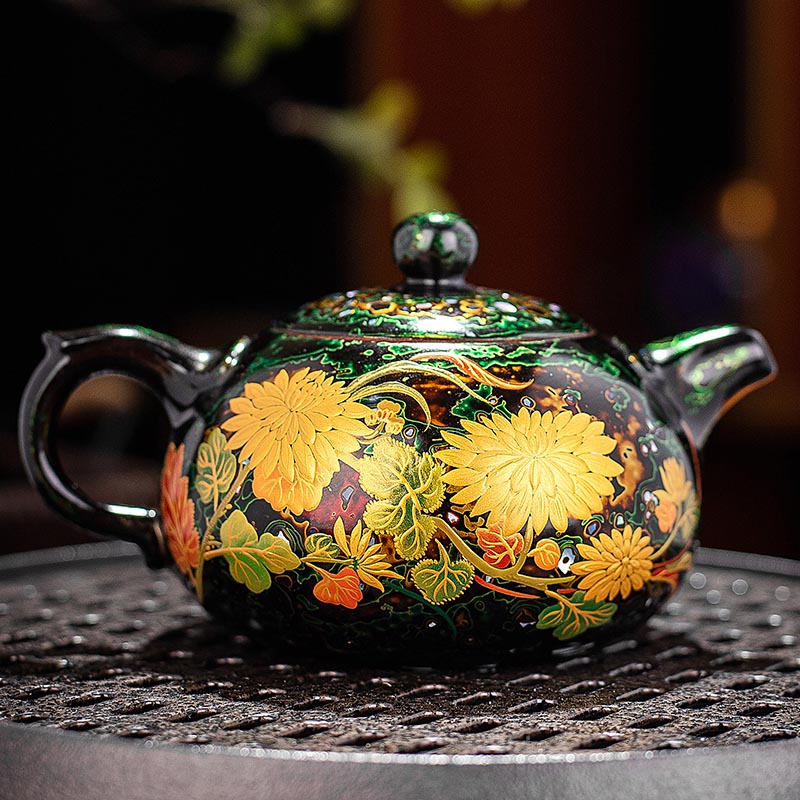
There is also the matter of control. A well-made ceramic teapot pours cleanly and decisively. The spout should be aligned with the handle so the stream falls straight, not slightly off to one side. When you tilt the pot, the lid should stay seated with a faint resistance from the air hole, not rattle loosely. In gongfu brewing, a fast, clean pour means you control extraction precisely. The liquor should leave the pot in a smooth column, not break into drips. At the end of the pour, a small inward turn of the wrist should cut the stream without a trailing drip down the spout. These are small things, but they change the rhythm of brewing.
Ceramic also feels right in the hand in a way that metal or glass often does not. The handle warms gradually. The body has weight without heaviness. The foot ring rests securely on the tea tray without sliding. When you set the lid back after adding leaves, there is a soft ceramic sound, not sharp, not hollow. During a tea session, you repeat these gestures dozens of times. The benefit is not abstract. It is physical comfort and quiet reliability.
Practicality matters too. A glazed ceramic pot is easy to rinse and does not hold onto soap if you avoid using it in the first place. Unglazed clay asks for a bit more attention. You do not scrub it aggressively. You let it dry fully with the lid off. It can stain, and that staining becomes part of its character. Ceramic can chip if knocked against a hard tea tray or another pot. Lids are especially vulnerable. Anyone who uses their pots regularly has felt that quick jolt of fear when the lid slips slightly during cleaning. So it is not indestructible. But with ordinary care, a ceramic teapot lasts for years of daily use.
One benefit that is easy to overlook is proportion. Ceramic allows for precise shaping. A small 100 milliliter pot with a low, wide body encourages the leaves to spread out and release evenly. A taller pot changes the way water circulates through tightly rolled oolong. The thickness of the wall influences how aggressively heat enters the leaf. These are decisions made by the potter, but you feel them in the cup. When the proportions are right, brewing feels intuitive. You stop thinking about the vessel and focus on timing and aroma.
I keep several ceramic teapots on my shelf, each with a quiet purpose. A thin white porcelain pot for fresh green teas in spring. A small clay pot dedicated to roasted oolong. Another for sheng puer that has darkened slightly over the years. None of them are there as display pieces. Their lids have faint water marks. The rims show the light dulling that comes from repeated contact with cups and fairness pitchers. The benefit, in the end, is not that ceramic is beautiful in theory. It is that it settles into use. It responds to heat, to touch, to repetition. It becomes familiar.
When you reach for a ceramic teapot every day, you stop evaluating it and start relying on it. The weight, the pour, the way the lid fits under your thumb. That reliability shapes the tea more than any abstract claim about material ever could.