
Why a Small Yixing Zisha Clay Tea Jar Makes Sense for Daily Tea
Loose leaf tea tends to accumulate quietly. A pouch of oolong here, a small cake of sheng pu’er there, maybe a fresh green tea you want to drink while it’s still lively. Before long, many tea drinkers realize they don’t actually need large storage containers—they need several small ones that keep tea accessible during everyday brewing. That’s where a compact Yixing zisha clay tea jar around the 100g size starts to make real sense.
This kind of jar usually ends up living close to the tea tray. Not in a cupboard, not tucked away with long‑term storage, but right where tea sessions happen. You reach for it while preparing a gongfu setup, scoop a few grams into your Yixing teapot or porcelain gaiwan, and close it again before the leaves sit out too long. The size naturally encourages you to keep a working supply of tea nearby without exposing a large quantity to air every time you brew.
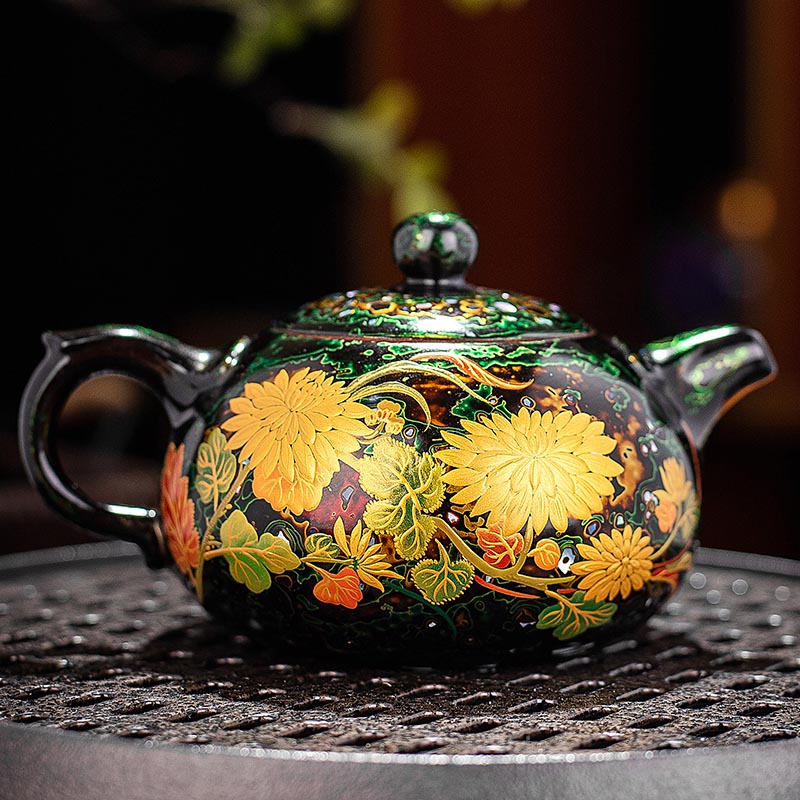
Zisha clay from Yixing is better known for teapots, but the material works beautifully for tea storage when used in smaller jars. The clay is slightly breathable, which helps regulate moisture around the leaves without trapping stale humidity the way some fully sealed containers can. For teas like roasted oolong, yancha, or aged white tea, this subtle breathability often keeps the aroma feeling comfortable and steady rather than sharp or trapped.
In practice, a 100g jar usually holds a little less or a little more depending on the tea shape. Rolled oolongs might fill the jar neatly, while long twisted leaves take up more space. Many gongfu brewers actually prefer that slight variation because it means each jar naturally becomes dedicated to one tea. When you open it during a session, the aroma is immediately recognizable.
The tactile experience matters too. Zisha clay has a soft, dry texture that feels completely different from glazed ceramic or metal tea tins. When you pick up a small clay jar during a quiet morning brew, it doesn’t feel slippery or cold. Over time the surface develops a gentle patina from handling, especially if it sits near the tea tray where steam and tea aroma circulate during repeated sessions.
The lid design is one of the details experienced tea drinkers pay attention to. A well-made clay lid should sit securely with a subtle, stable fit—not loose, but not vacuum-tight either. If the lid wobbles or shifts when you move the jar, it quickly becomes annoying during tea sessions. With a properly fitted lid, you can open the jar with one hand while holding a scoop in the other, which feels surprisingly important when you’re measuring leaves between infusions.
Another advantage of smaller jars appears during tea tastings or gatherings. When several teas are on the table alongside fairness pitchers, small porcelain cups, and a couple of teapots, large storage containers start to feel bulky. Small clay jars keep the table organized. Each tea has its place, and guests can easily lean in to smell the dry leaves before brewing.
Collectors also tend to appreciate these jars because zisha clay pieces carry subtle individuality. Even when produced in small batches, the color tone, clay texture, and lid fit can vary slightly. None of these differences affect daily use, but they give each jar a bit of quiet personality that fits naturally alongside handmade teapots and cups.
There’s also a practical rhythm that develops when you keep tea this way. Instead of opening a large bag every time you brew, you refill the jar occasionally and use it as your daily supply. The leaves stay protected from frequent air exposure, and the brewing process feels smoother—scoop, brew, pour into the cha hai, and continue the session without interruption.
For anyone building a thoughtful gongfu tea setup, small storage pieces often end up being used just as often as the teapot itself. A modest Yixing clay jar quietly supports the entire brewing routine, keeping tea close at hand and ready for the next infusion.