Understanding Teapot Types: Yixing Clay and Porcelain Compared
When people first begin brewing Chinese tea seriously, they often assume a teapot is just a small container with a spout. It takes a few sessions before you realize how much difference the type of pot makes, not in theory but in the hand.
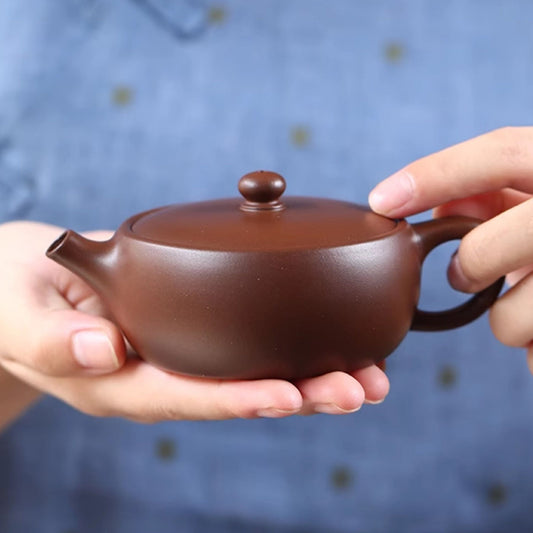
The small Yixing clay pot is usually where the conversation starts. Not because it is sacred or rare, but because it is practical for gongfu brewing. The clay has a dry, almost sandy feel when it is unglazed. It warms quickly, and when you pour hot water over it, the surface darkens for a moment before returning to its matte tone. A good one feels compact and balanced. When you tilt it, the weight shifts cleanly into your fingers. The lid should settle with a soft, contained sound, not a rattle. If you press the air hole and pour, the stream should cut off immediately. That detail alone tells you a lot about the maker’s care.
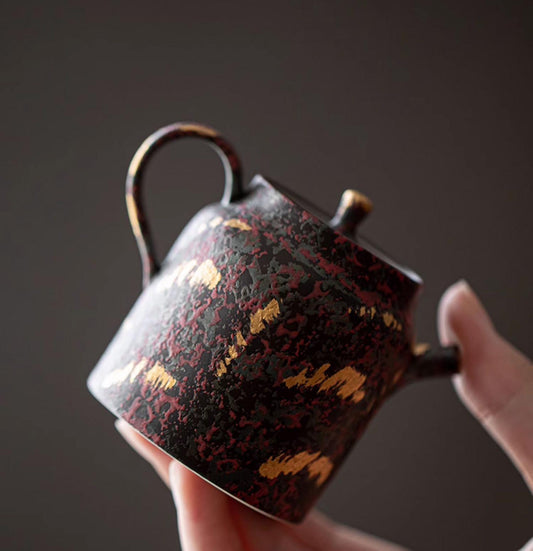
Different shapes of Yixing pots are not just decorative. A round, fuller body is forgiving with rolled oolongs that expand dramatically. A flatter, wider pot suits twisted leaves that need room to unfurl but not excessive depth. A tall, narrow pot can concentrate aroma in an interesting way, but it can also make it harder to empty completely between quick infusions. After a few months of regular use, the clay begins to take on a slight sheen where your fingers rest. It is not magic. It is oil from your hands, tea, heat, repetition. You start to recognize your own pot by the way it feels before you even look at it.
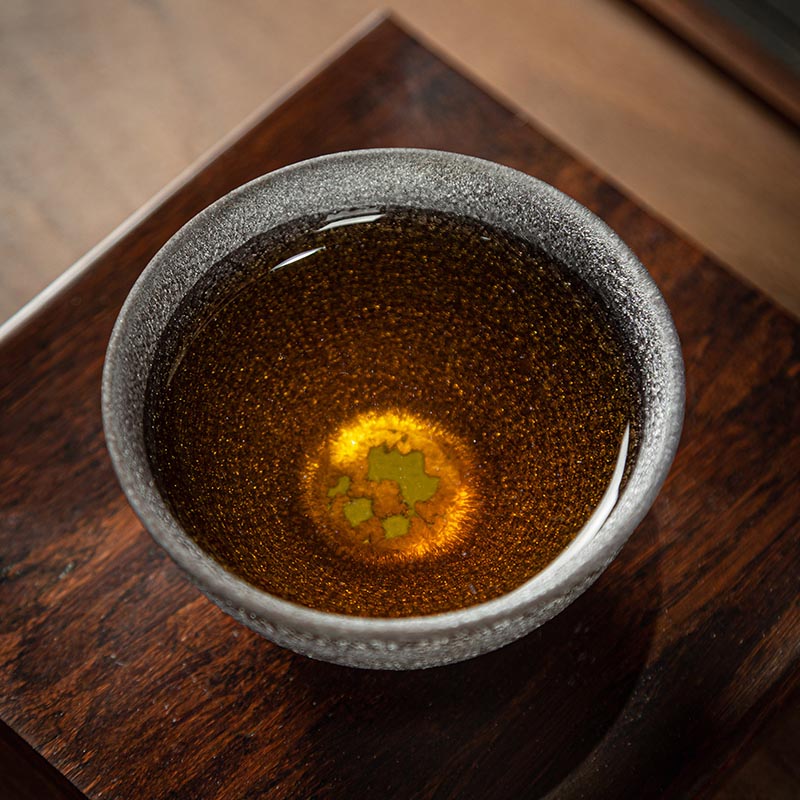
Porcelain teapots move differently. The surface is smooth, sometimes almost slippery under hot water. Glaze reflects light in a way clay does not. With porcelain, you see the liquor more clearly when you lift the lid. The interior does not absorb anything, which makes it honest. If a tea tastes sharp or thin, you cannot blame the pot. Because porcelain holds less heat than dense clay, it can be better for greener oolongs or delicate black teas where you do not want the leaves pushed too hard. The pour can be sharper too. A thin porcelain spout often produces a narrower, more precise stream, which helps when you are decanting quickly into a fairness pitcher.
Then there are gaiwans, which are technically lidded bowls but function as teapots in practice. Many experienced drinkers reach for a gaiwan more often than any pot. It gives you direct control. You can watch the leaves rise and settle. You adjust the lid opening with your fingers to control the flow. There is no filter wall to trap leaves, so the liquor can be fuller, sometimes wilder. Using a gaiwan requires a certain tolerance for heat on your fingertips. Over time, you learn exactly how far to tilt, how wide to open the lid to let the tea pass but hold the leaves back. The porcelain rim against your thumb becomes familiar. It is not romantic. It is muscle memory.
Within these categories, small construction details matter more than decoration. The alignment of the spout with the handle changes how naturally the pot pours. If the spout sits slightly too high, the last bit of tea will pool inside unless you tip the pot uncomfortably far. If the handle is too tight, your knuckles brush the hot body. If the wall is too thick, the tea can stew between infusions. If too thin, the pot loses heat quickly and feels fragile when rinsed.
I pay attention to the foot ring on porcelain pots. A neatly trimmed foot sits flat and stable on a tea tray, even when water pools around it. A rough foot can scratch wood or wobble slightly, which you notice during a quiet session. On clay pots, I look at the lid seam. A well-fitted lid leaves only a hairline shadow. When you turn it gently, there is slight resistance, not grinding, just a soft friction that tells you clay met clay carefully.
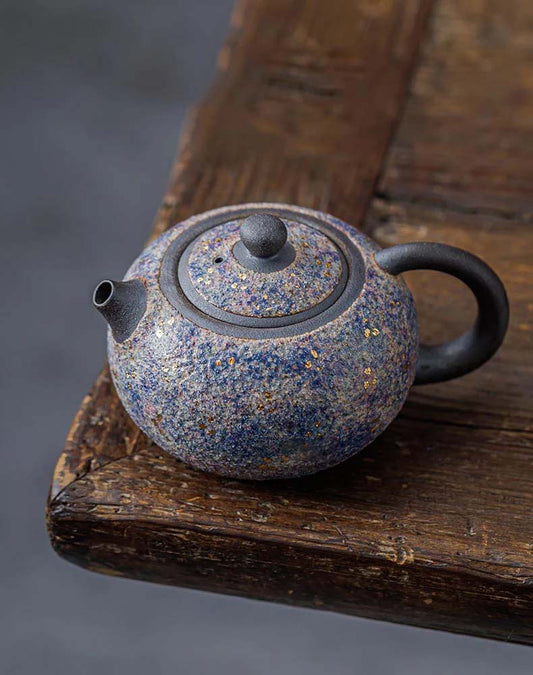
There are also larger, everyday teapots used for casual drinking, often glazed stoneware or thicker porcelain. These are less about precision and more about ease. You fill them once and sit with a book. They are forgiving of distraction. Cleanup is simpler. You are not chasing five-second infusions. Even here, the angle of the spout and the comfort of the handle decide whether the pot becomes a daily companion or something that stays at the back of the shelf.
What I have learned is that types of teapots are less about hierarchy and more about temperament. Some days I want the focus of a small Yixing pot, watching the stream arc cleanly into a fairness pitcher, listening for the lid to settle back into place. Other days I want the openness of a gaiwan, leaves visible and moving. And sometimes I want a larger glazed pot that asks nothing from me except to be filled and poured.
Over time, you stop thinking of them as categories and start thinking of them as tools with distinct personalities shaped by clay, glaze, proportion, and use. The differences show up not in grand statements but in small things: how quickly the last drops fall from the spout, how hot the lid knob feels between your fingers, how the surface changes after a year of steady brewing. Those details are what make one pot feel right for a particular tea, on a particular afternoon, at a particular table.