Different Teacup Styles and Their Impact on Tea Flavors
If you spend enough time brewing gongfu style, you start to notice how much the cup changes the tea. Not in a mystical way. In a physical, immediate way. The rim touches your lip differently. The heat gathers in your palm differently. The aroma collects in the bowl and lifts differently. Two cups poured from the same fairness pitcher can make the same infusion feel surprisingly distinct.
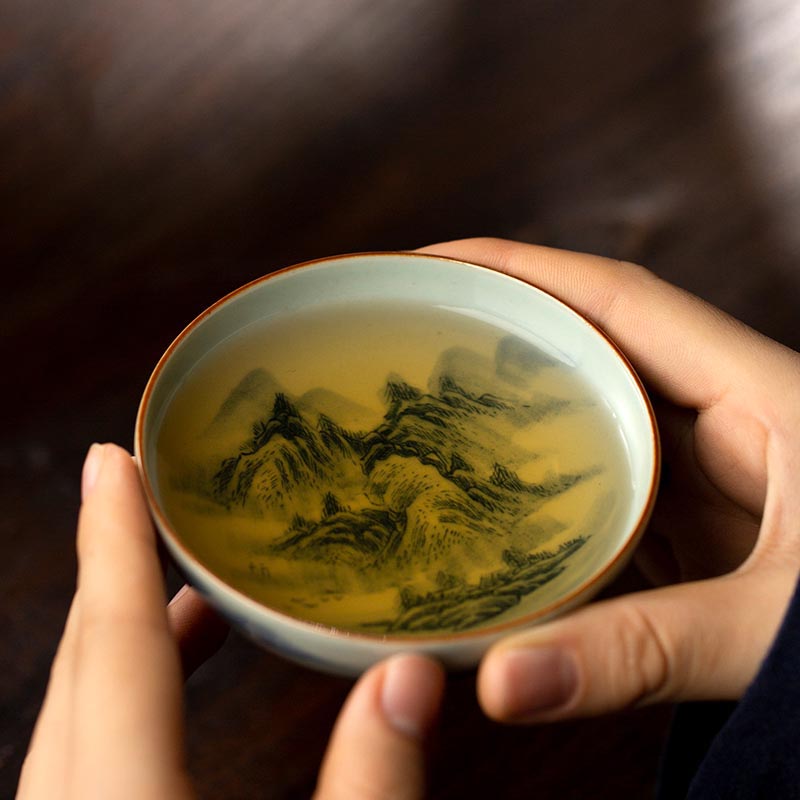
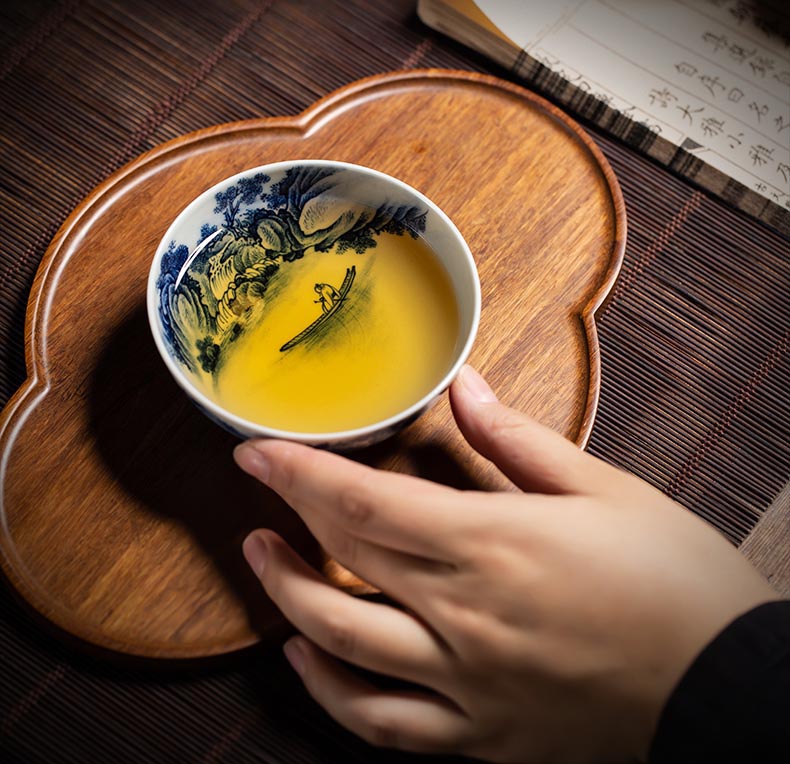
The small handleless cup, the kind most people picture first, is really just a bowl pared down to its essentials. Thin porcelain, slightly flared rim, a narrow foot ring that lifts it just enough off the table. When the walls are thin, the heat passes quickly into your fingers. You cannot hold it carelessly. You have to pinch it lightly, or cradle it and sip quickly before it cools. With high mountain oolong or fresh green tea, that thinness matters. The liquor stays bright and clear. The rim almost disappears against your mouth, and the tea feels direct.
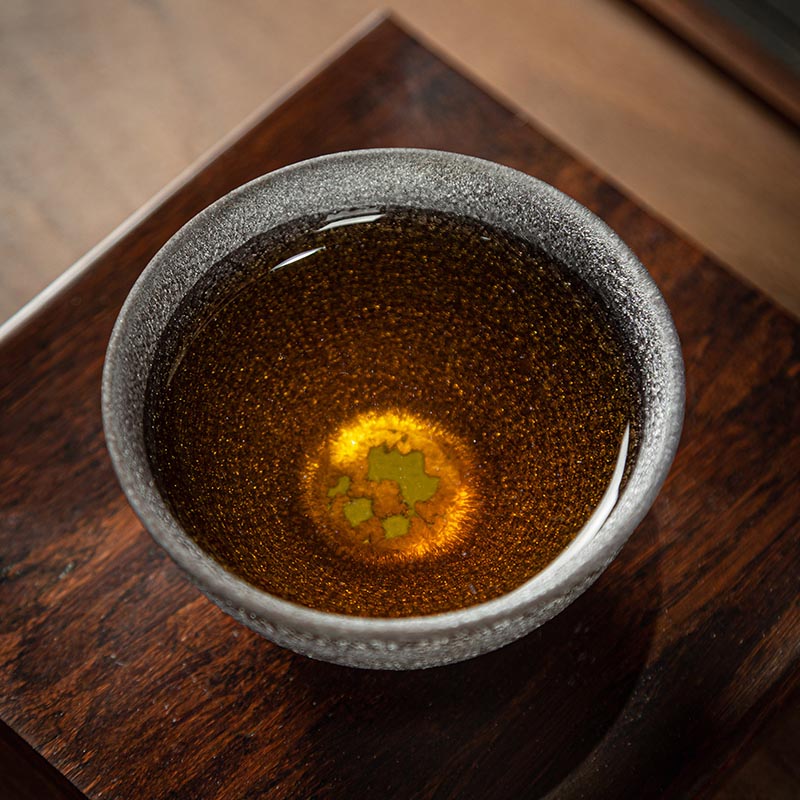
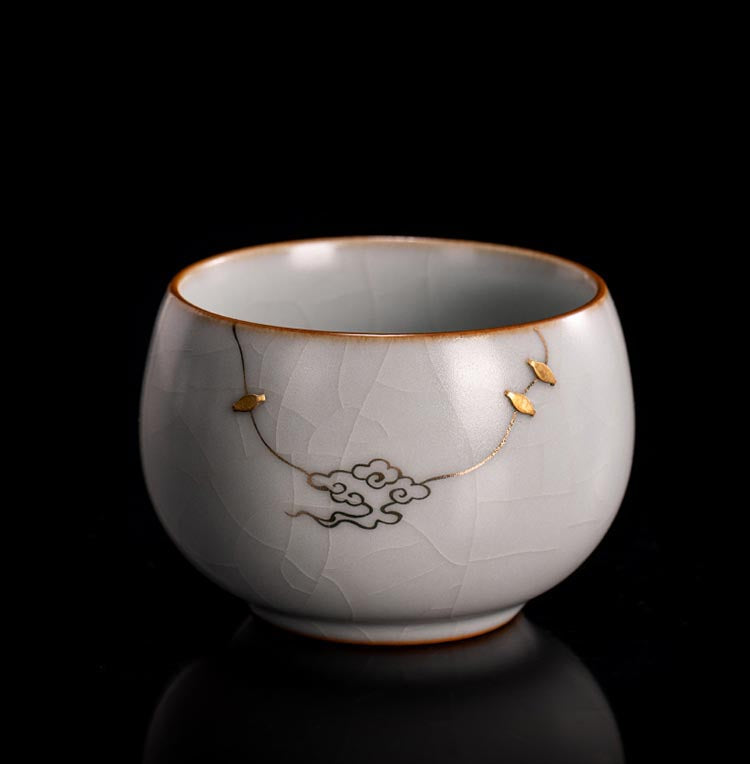
A thicker cup, even if it looks similar at a glance, behaves differently. Heavier porcelain or stoneware holds heat longer. The surface warmth lingers between sips. For darker oolongs or shu puer, that retention gives the tea a rounder feel. The glaze also plays a role. A glossy, glass-smooth interior lets the liquor show its color cleanly. In a celadon cup, the glaze pools slightly at the bottom, deepening the tone of pale tea. It is subtle, but when you brew often, you see it.
Then there are cups made from clay, sometimes Yixing clay left unglazed inside. These are less common in formal tasting because clay absorbs and softens. But for personal use, they can be satisfying. The surface is dry against the fingers. Over time, the clay darkens where it is handled, taking on a low sheen. The tea may taste slightly rounder, less sharp at the edges. Whether that change is dramatic or slight depends on the clay and the tea, but the tactile experience is unmistakable. Porcelain feels clean and cool once empty. Clay feels warm even after the last sip.
The shape of the bowl shifts aroma more than people expect. A cup with a gently narrowing mouth traps fragrance for a moment. When you lift it, the scent meets you before the liquid does. This is helpful with fragrant dancong or roasted tieguanyin, where the aroma carries much of the experience. A wide, open cup releases aroma quickly. It feels more casual, less concentrated. In a group setting, that openness can make conversation easier. You sip without needing to tilt your face into a small opening.
Some cups sit low and wide, almost like tiny dishes. Others are taller, more cylindrical. The taller styles keep the heat column slightly longer, so the first sip and the last sip can feel more consistent. The low, wide cups cool faster. For very hot water and quick infusions, that cooling can be practical. You do not want to burn your tongue on the first round.
The foot ring is one of those details that separates something made carefully from something made quickly. When it is trimmed well, it feels smooth but not overly rounded. The cup lifts cleanly from the tray, even if there is a little water pooled beneath it. A poorly finished foot ring scratches the tray or feels gritty. You notice it every time you set the cup down. In daily use, that small irritation adds up.
There are also taller aroma cups used in some Taiwanese styles of service. The tea is first poured into the tall, narrow cup, then covered with a wider drinking cup and flipped. You lift the tall cup and smell the concentrated aroma left inside before drinking from the wider one. It is a simple device, but it trains your attention. The shape is doing the work. Without the narrow cylinder, the fragrance would disperse too quickly to study in that way.
In larger, more relaxed settings, you sometimes see bigger cups, closer to small bowls. These are not for evaluating ten short infusions in quick succession. They are for sitting longer with one steep. The weight in the hand changes the pace. You cannot move as quickly between rounds because the cup itself encourages you to settle.
Fragility is part of this conversation. Thin porcelain chips easily. The rim can take a small knock from a fairness pitcher and leave a sharp edge. Many tea drinkers keep their most delicate cups for quieter sessions and use sturdier ones when brewing outdoors or with guests who are less accustomed to handling small, hot vessels. There is no virtue in breaking something beautiful through carelessness.
Cleaning is simple but not irrelevant. Porcelain rinses clean and shows no trace of yesterday’s tea. Unglazed clay can hold scent. If you switch between heavily roasted oolong and fresh green tea in the same clay cup, you may notice a faint echo. Some people dedicate clay cups the way they dedicate Yixing pots. Others prefer the neutrality of glazed interiors for flexibility.
What I have come to appreciate most is proportion. A cup that looks elegant on a shelf may feel awkward when filled with near boiling water. The rim might be too thick. The bowl too deep, forcing you to tilt your head back. The best cups disappear in use. They are stable when set down on a wet tray. They do not wobble. The glaze does not craze too quickly unless that is part of the ware’s character. The lip meets your mouth without drawing attention to itself.
After enough sessions, you recognize your preferences without needing to justify them. Some mornings call for a thin, white porcelain cup that shows every shade of the liquor. Some evenings feel better with a small clay cup that warms your hand and softens the light. None of these choices are dramatic. They are adjustments made through repetition.
When the kettle has just boiled and the first infusion is poured, the cup is the last stop before the tea becomes experience. Its size, thickness, and shape quietly guide that moment. You notice it most clearly when something is off. When everything is right, you simply lift, sip, and set it down, the cup already warming again for the next round.