The Precision Behind the Chinese Teapot Assassin in Gongfu Brewing
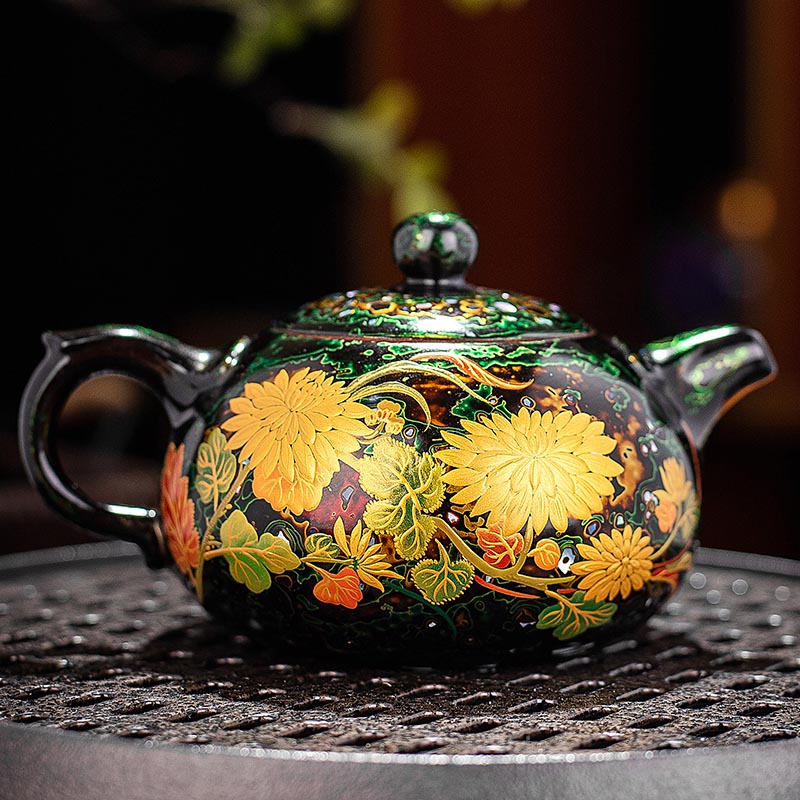
The first time I heard someone refer to a “Chinese teapot assassin,” I expected a story. It turns out they meant a particular Yixing form, sharp, compact, decisive in profile. In Chinese it is sometimes called sha shou hu. The name sounds dramatic in English, but what people are really pointing to is the attitude of the pot. It sits low and forward, with clean lines and very little softness. Compared to rounder forms like Xi Shi or the gentle swell of a Fang Gu, this one looks alert.
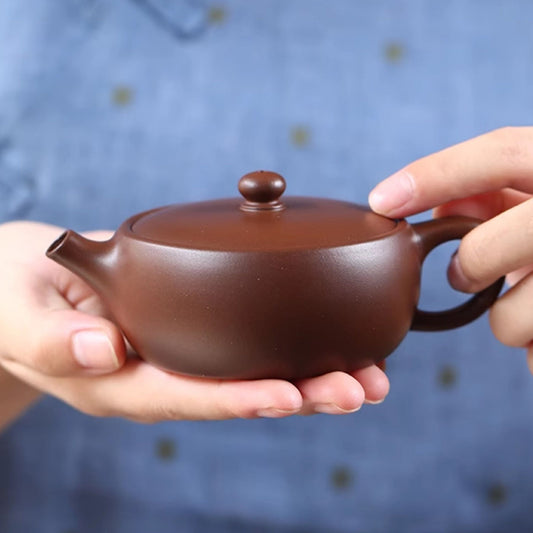
In the hand, the difference is obvious. An assassin-style Yixing teapot is usually small, made for gongfu brewing. The body often narrows slightly toward the top, the shoulder defined but not bulky. The spout extends straight and confident, not drooping, not flared. The handle tends to be firm and upright, with just enough curve for the fingers. Nothing about it feels decorative for its own sake. The lid fits tightly, sometimes with that faint dry whisper of clay against clay when you rotate it into place.
What makes this form interesting is how it behaves during brewing. With oolong or young sheng puer, when you pour quickly and fully, the water exits in a clean, focused stream. A well-made assassin pot does not hesitate. The spout alignment is strict. The pour cuts forward and down without wobble. If the maker understood proportion, the pot empties in a few seconds and stops cleanly when you tilt it back. No trailing drips along the spout tip. No lingering beads clinging to the lip.
That kind of control matters more than the name. In gongfu brewing, especially with teas that need short infusions, a sluggish pot changes the taste. Two extra seconds of drainage can make a young dancong sharp or flatten the aromatics of a high mountain oolong. With this sharper, more angular form, the clay walls are often moderately thin, which helps the pot respond quickly to heat. It warms fast, pours fast, cools at a pace that suits repeated infusions.
Yixing clay itself plays a quiet role here. Many assassin-style pots are made from zisha or zhuni clays. Zisha has a slightly sandy feel under the fingers, even when well polished by use. Zhuni is denser, often smoother, with a faint tightness to the surface. When dry, it can feel almost silky. Over time, with handling and rinsing, the surface develops a soft sheen, not from oiling or polishing, but from repeated contact with hot tea and hands. That sheen shows differently on a form with defined edges. The light catches along the shoulder and the rim. The geometry becomes more visible as the clay darkens with use.
Because the profile is so disciplined, flaws show quickly. If the lid sits even slightly off center, the eye sees it. If the spout is set a few degrees too high, the whole stance feels awkward. A rounded pot can forgive minor imbalance. An assassin shape does not. That is part of why collectors pay attention to these. You can tell a lot about a maker by how confidently they execute a strict form.
In daily use, I find this kind of pot encourages a certain clarity. Not reverence, not ceremony in the grand sense, but a kind of attentiveness. You arrange the tea tray, set the fairness pitcher in front, line up the cups. The pot sits there, compact and ready. When you lift it, the balance should feel centered between body and handle. If it tips forward in the hand, the design failed. If the handle crowds your knuckles when the pot is hot, you will notice by the second infusion.
There is also the practical side that people do not talk about as much. A tighter lid fit means you need to be mindful when cleaning. Fine tea particles can lodge in the lid channel. Rinsing thoroughly after a session matters. Unglazed clay absorbs scent over time, so most people dedicate a Yixing pot to one type of tea. The assassin shape, often used for aromatic oolongs or sharper teas, will slowly take on that fragrance. Open the dry pot months later and there is a faint echo of what it has brewed.
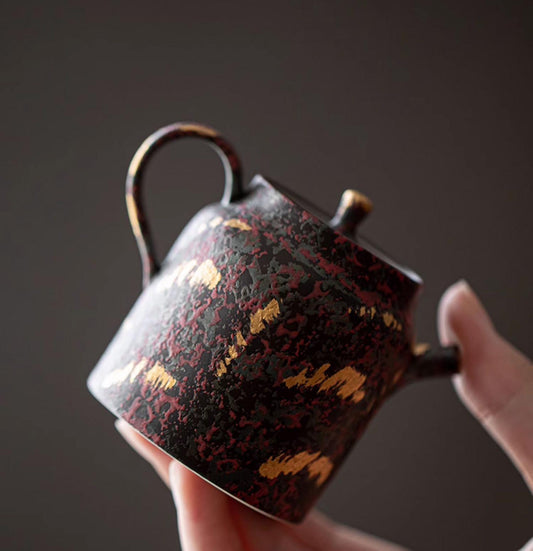
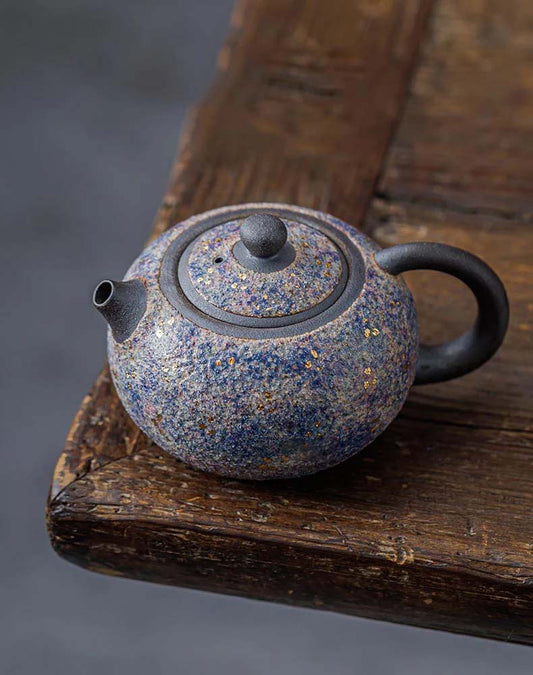
It is not a showy object on a shelf. In fact, without context, some people find it plain. The color is usually earth toned, red-brown, purple-brown, sometimes a muted brick. The decoration, if any, is minimal. What stands out is proportion. The ratio of body to spout length. The angle at which the handle rises. The thickness of the lid knob, often small and firm rather than bulbous.
During a tea session with friends, this kind of pot changes the rhythm slightly. You pour decisively. The stream hits the fairness pitcher with a clear sound, not a scattered splash. When you set the pot down, the base meets the tea tray flatly. The foot ring is usually trimmed clean, without glaze to hide unevenness. After several rounds, the clay grows warm in your palm. You start to recognize its exact weight when full and when empty.
The name “assassin” may catch attention, but the real character of the pot is restraint and precision. It does not ask to be admired for ornament. It asks to be used properly. If the maker did their work well, the pot will respond without fuss for years, its edges softening slightly from touch, its surface deepening in tone. Eventually it feels less like a dramatic shape and more like a tool that happens to be beautiful because it does its job cleanly.
And that, in practice, is what most good tea ware comes down to. Not symbolism, not story, just the quiet confidence of something made to pour well and to be held often.