Tea Pot Black and White: How Material Changes Your Brew
A black and white teapot can look striking on a shelf, but it becomes interesting only once you start pouring from it.
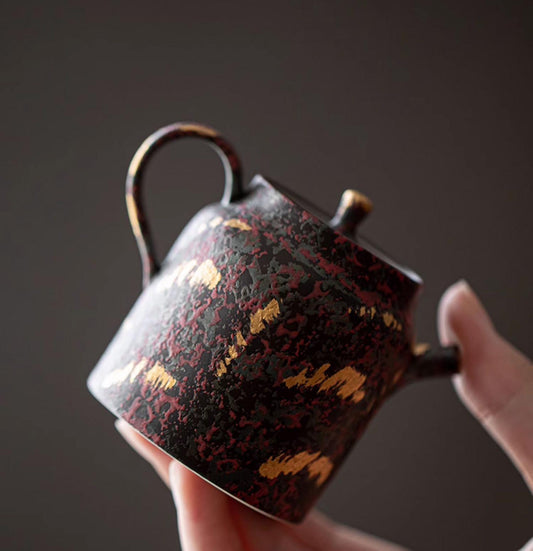
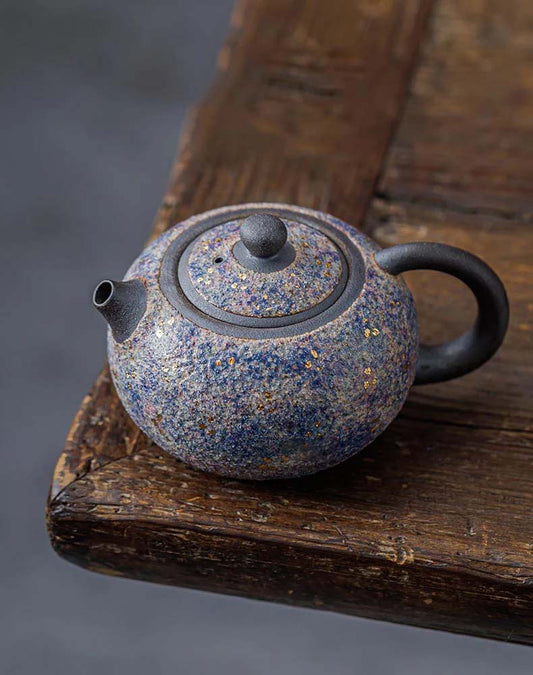
In Chinese tea practice, black and white usually means two very different materials. Black often suggests unglazed clay, sometimes Yixing, sometimes other regional stoneware clays fired to a deep charcoal or warm brown-black. White usually points to porcelain, thin-walled and glazed, with that faint bluish cast you see when you hold it up to the light. Putting the two together in a single pot, or even just choosing one over the other, changes how you brew.
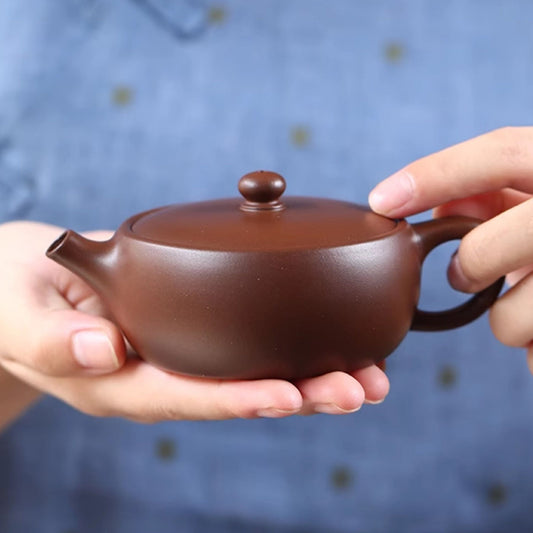
A black clay pot has a dry, almost sandy feel under the fingers. Even when it is finely finished, it does not shine the way porcelain does. If the pot is well made, the surface feels tight and compact, not crumbly. The lid settles with a soft, contained sound, and when you press the air hole and pour, the stream runs steady and rounded. With gongfu brewing, that steadiness matters. You are pouring many short infusions, sometimes ten or more, and any hesitation in the spout breaks the rhythm.
Black clay absorbs a little. Not dramatically, not magically, but enough that over time the surface where your thumb rests will grow smoother. Tea oils build up slowly. If you brew roasted oolong or shou puerh in a dark clay pot for months, you will notice a change in scent when you lift the lid warm. It is subtle and specific. That is why people often dedicate a clay pot to one kind of tea. It is less about reverence and more about not muddying flavors.
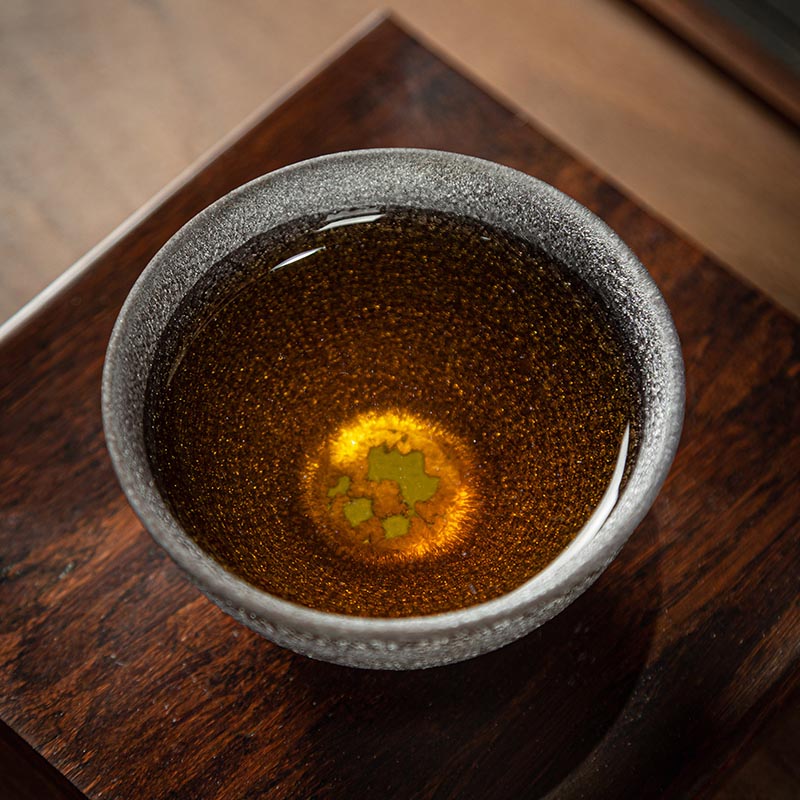
White porcelain does almost the opposite. It reveals everything. The liquor color shows clearly against the glaze, whether it is the pale green of a high mountain oolong or the dense red-brown of a fully oxidized black tea. When you tilt a white porcelain pot, you can see the last of the liquid sliding down the inner wall. For tasting sessions, that clarity helps. You know exactly what you are pouring.
A black and white teapot that combines both, say a porcelain body with a dark clay lid or handle, or a painted contrast of ink-black glaze against white slip, draws attention to proportion. The eye moves between light and dark, and any imbalance becomes obvious. If the spout sits slightly high, if the handle is too thick, the contrast exaggerates it. In that sense, black and white is unforgiving. It asks for clean lines and confidence in the shape.
Function shows up quickly in daily use. With a darker clay pot, water stains do not announce themselves. With white porcelain, they do. After a few sessions, the foot ring may pick up a faint ring of tea on the tray if you are careless when pouring. The inside of the spout can discolor. None of this is tragic, but it asks you to rinse well and let the pot dry with the lid slightly ajar. Porcelain forgives flavors but demands a bit more visible tidiness.
Heat behaves differently too. A small black clay pot with thicker walls will hold heat longer, which can be helpful for rolled oolongs that need a strong first infusion to open. A thin white porcelain pot cools faster. That can be an advantage for greener teas that turn sharp if overcooked. When I switch between the two, I adjust instinctively. Water temperature, steep time, even how fully I fill the pot changes.
In a tea gathering, the color of the pot shapes attention in quiet ways. A black pot on a dark tea tray recedes. People focus on the aroma cups, the taste, the conversation. A white pot sits forward. Every pour is visible. The stream of tea catches the light. If the lid fits well, you can pour with one hand, thumb steady on the knob, and the line of liquid looks almost drawn in the air.
What I notice most, though, is how my hand responds. The matte resistance of black clay encourages a firmer grip. The glossy surface of white porcelain feels cooler at first touch, then warms quickly. In winter, I tend to reach for darker clay. In summer, porcelain feels cleaner, lighter.
None of this makes one better. A black and white teapot is not automatically symbolic, not automatically refined. It either pours well or it does not. The lid either aligns with the spout and handle or it feels slightly off every time you pick it up. After a few weeks of daily brewing, you stop thinking about color as an aesthetic statement. You think about whether the stream breaks at the end of the pour, whether the lid rattles, whether the pot returns to the tray without a ring of spilled tea.
And if it does these things well, the contrast of black and white becomes less about decoration and more about clarity. You see the tea, you feel the clay or glaze under your fingers, and the pot becomes part of the sequence of movements that carry you from dry leaves to the last warm cup.