The Subtle Elegance of Chinese Green Tea
The Subtle Elegance of Chinese Green Tea
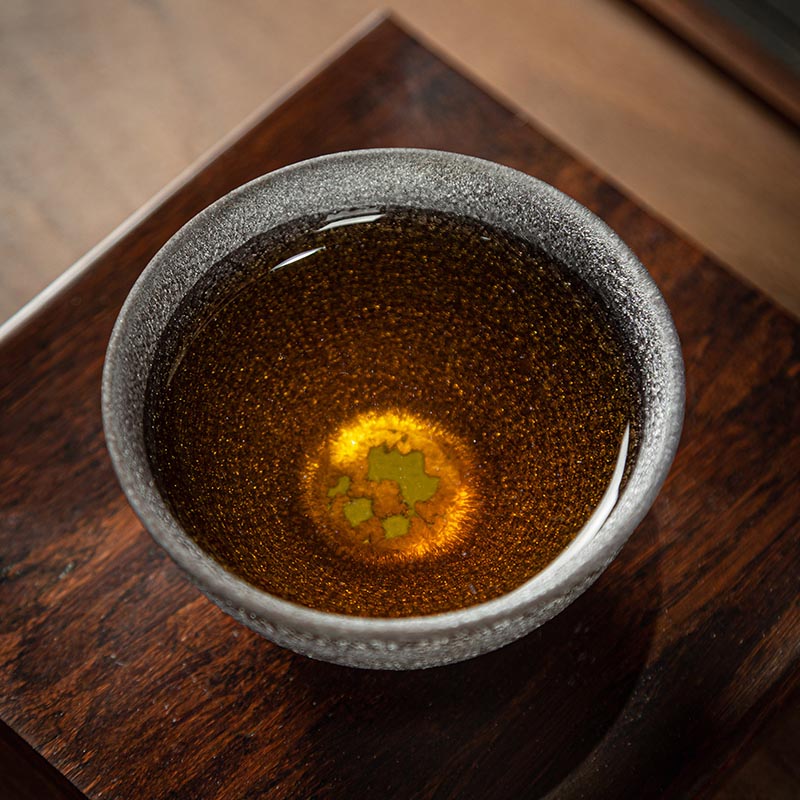
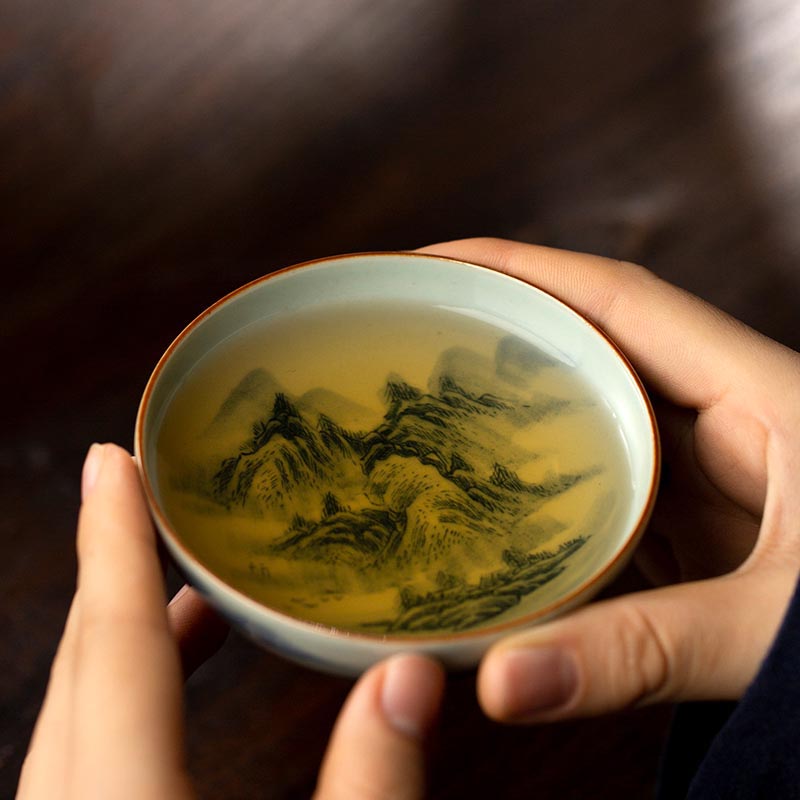
Picture a quiet morning, sunlight gently filtering through open curtains, as steam curls lazily from a cup of freshly brewed Longjing. This isn't just any tea; it's West Lake Dragon Well, a green tea revered not only for its delicate chestnut aroma but also for its legendary origins. It is said that during the Qing Dynasty, Emperor Qianlong himself was so taken by the meticulous art of its preparation that he granted the status of "imperial tea" to select plants growing near the serene waters of Hangzhou's West Lake.
Chinese green tea is not merely a beverage; it is a bridge between past and present, a tradition steeped in centuries of care and precision. Each variety tells its own story, and none more so than the verdant Maojian from the mists of Mount Xinyang. Here, high altitudes and misty weather craft an environment where the tea leaves develop a uniquely refreshing and brisk character. This tea is known for its thin, straight leaves that resemble pine needles, a hallmark of the craftsmanship involved in its production — meticulous plucking, skillful frying, and careful drying. Each process honors the legacy of tea masters who have handed down their expertise through generations.
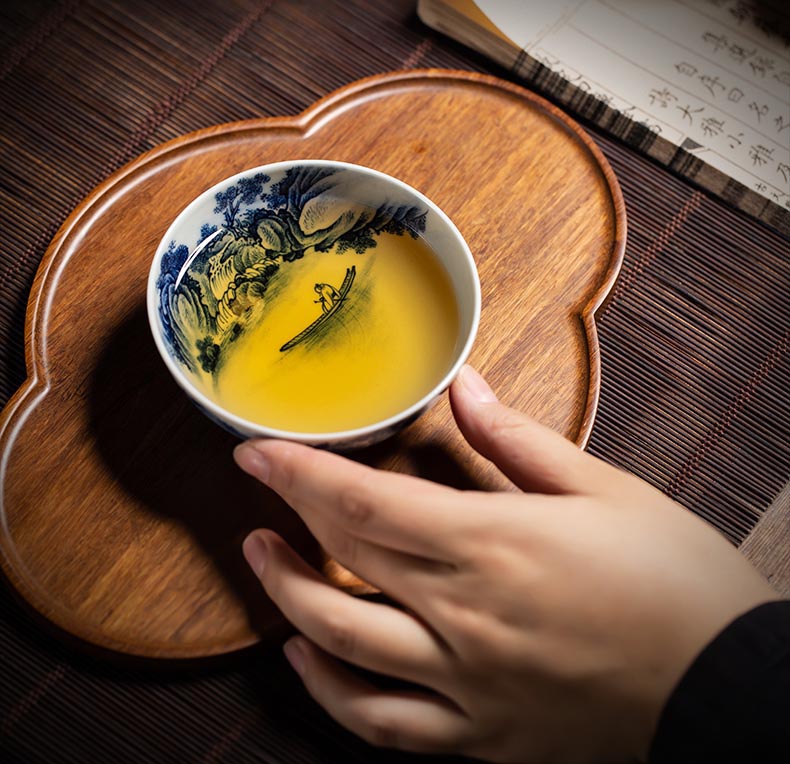
Brewing Chinese green tea is an art that invites both simplicity and mindfulness. The water should be heated to around 75-80°C (167-176°F), a temperature that coaxes out the fresh, grassy notes without bitterness. A glass gaiwan or a simple glass jug is commonly used, allowing you to admire the leaves unfurling like dancers in a slow, serene ballet. There's a sweet satisfaction in the patience this requires, a gentle reminder that good things rarely come in haste.
Reflecting on these traditions, it's fascinating to consider how tea has evolved from a domestic art to a global passion. There's a quiet joy in sipping Tie Guan Yin or Biluochun and knowing you are part of a vast, interconnected story — one where ancient Chinese scholars and modern aficionados alike find peace in the humble leaf. The narrative of green tea, in all its simplicity and subtlety, encourages us to slow down and savor the ordinary moments, which are anything but ordinary when viewed through the lens of tradition.
The next time you hold a cup of Chinese green tea, take a moment to appreciate not only its taste but the tapestry of history and artistry it embodies. It's a gentle nudge to stay connected to the roots and traditions that make life so wonderfully rich.