The Subtle Artistry of Chinese Clay Tea Pots
The Subtle Artistry of Chinese Clay Tea Pots
For the uninitiated, a tea pot is simply a vessel, a mundane container for boiling water and tea leaves. But for those who’ve found themselves whisked away by the subtle beauty of tea culture, a Chinese clay tea pot is so much more — it is a touchstone of tradition, craftsmanship, and even philosophy.
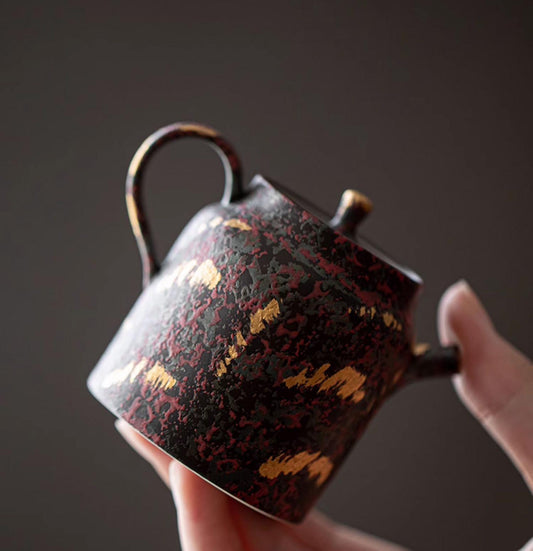
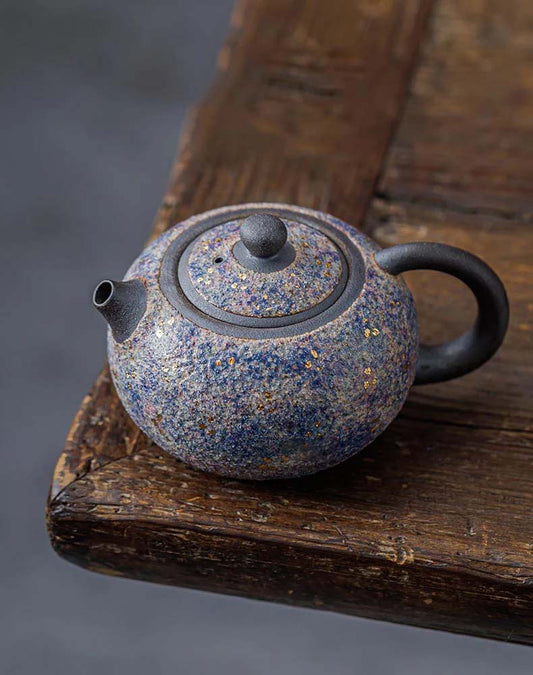
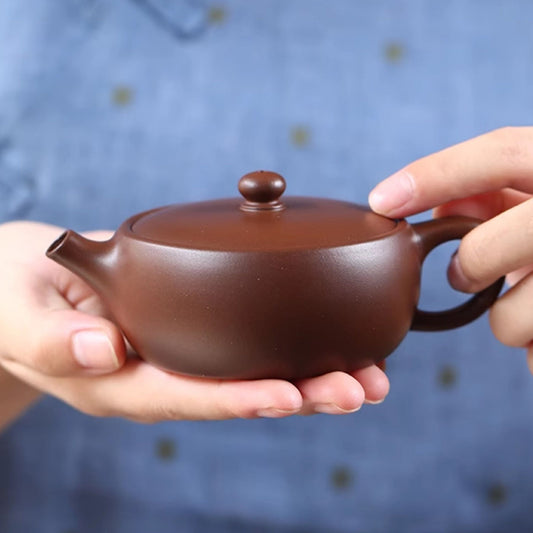
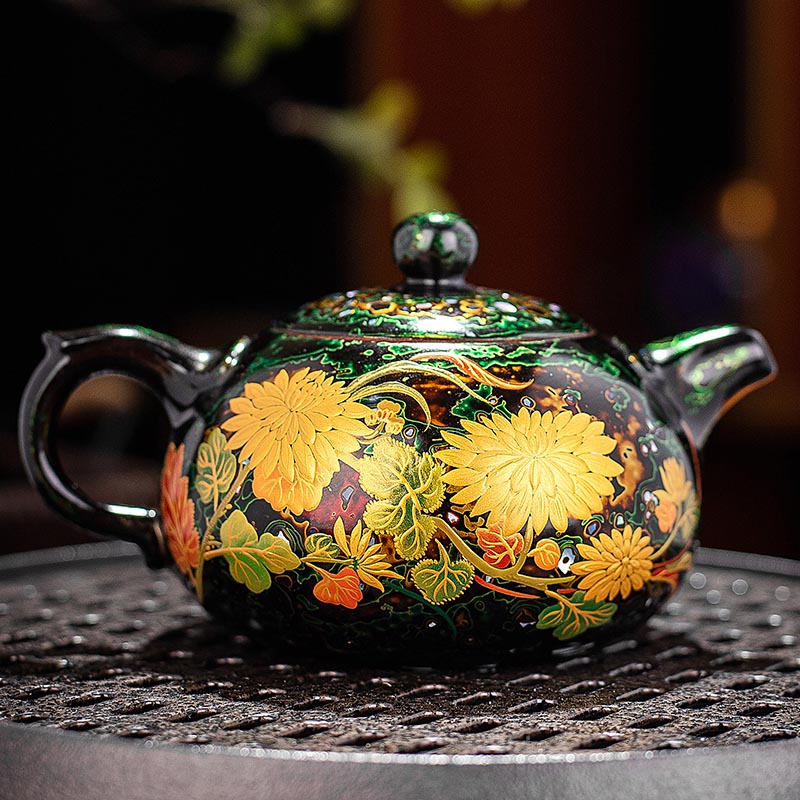
Within the realm of Chinese teaware, clay pots, particularly the revered Yixing teapot, hold a special mojo. Rooted in Jiangsu Province's Yixing clay, these pots are not just about function; they are about form, history, and a tactile connection to the tea world. As you cradle one of these earthen vessels in your hand, it's hard not to feel a sense of reverence for the artisans who shaped them centuries ago, nor the mirthful spirit of the tea drinkers who’ve used them ever since.
A thing of beauty, a good Yixing pot is typically made from zisha clay, a unique type of clay rich in iron and quartz. This clay is porous, allowing the pot to "breathe" and absorb the essence of the tea it brews. Over time, these pots develop a seasoned patina, enhancing the flavor of future brews. This characteristic has led to a quaint tradition among tea aficionados, where a single pot is dedicated to a specific type of tea — like old friends who prefer to enjoy each other's company exclusively.
The making of a Yixing pot is an art unto itself, with each piece carefully hand-crafted by skilled artisans who employ time-honored techniques. The process is laborious and contemplative — much like the brewing of tea itself. From selecting the perfect clay to shaping the pot with delicate, deliberate motions, each step requires precision and an artisan's touch. There’s a palpable sense of pride in these creations, as they embody a tangible link to the past while serving the practical needs of the present.
In tea culture, the Yixing pot is more than a brewing tool; it is an expression of refinement and taste. Its simple elegance encourages a slower, more mindful approach to life. As the water swirls and dances with the tea leaves inside, the clay pot stands as a quiet reminder of life's fundamental pleasures — simplicity, patience, and the art of enjoyment.
If you ever find yourself in the company of one of these unique pieces, take a moment to ponder its journey. Imagine the hands that molded it, the tea masters who have whispered secrets over its clay, the many tales it holds within its walls. In doing so, you become a small part of its storied history, a custodian of its continued legacy. Sharing a cup from a Chinese clay tea pot isn’t just about savoring tea; it’s about savoring a piece of culture, a slice of time, and a sliver of eternity.