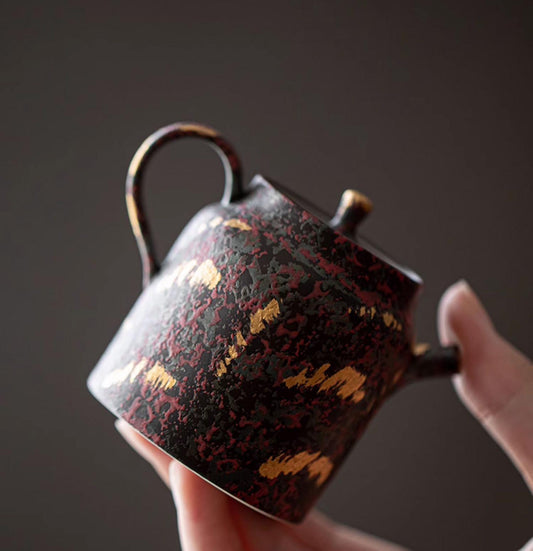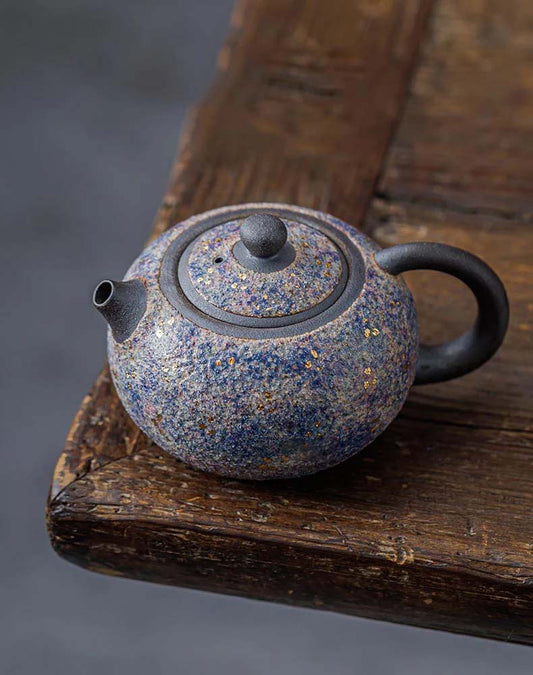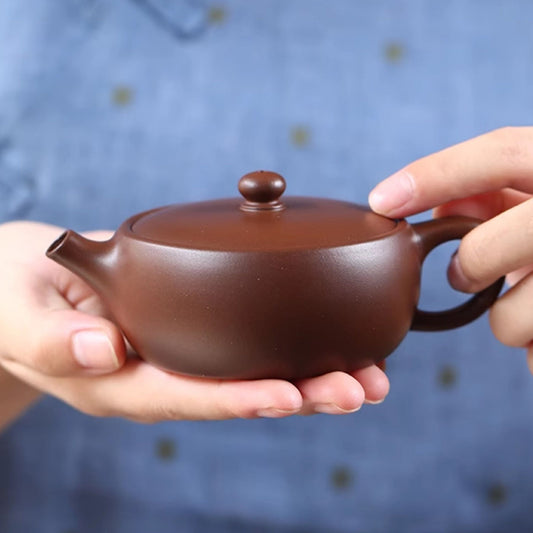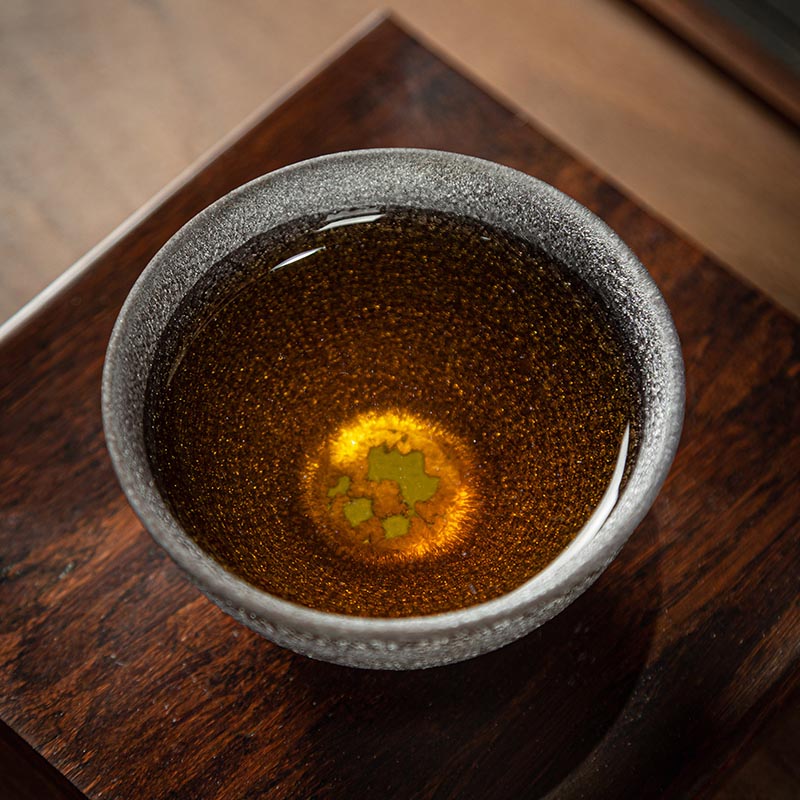
A Teapot with a Built-In Burner Transforms Tea Brewing Today
A teapot with a burner changes the pace of tea in a quiet but definite way. The moment there is a small flame involved, even a modest one fed by alcohol or a tea light, the session shifts from quick infusions to something steadier. Water stays hot without constant trips to the kettle. The pot sits above its own source of heat, held in a ceramic or metal cradle, and you begin to notice temperature as something you manage, not just something you reach.
In Chinese tea practice, this setup appears in a few different forms. Sometimes it is a glass pot balanced over a simple stand with an alcohol lamp beneath, often used for simmering aged white tea or shu pu’er. Sometimes it is a heavier ceramic pot with a matching stove, the two made as a pair so that the curve of the belly fits neatly into the ring of the stand. In older styles, especially in colder regions, charcoal braziers were used to keep water hot in a kettle rather than heating the teapot directly. Each version asks you to pay attention in a slightly different way.
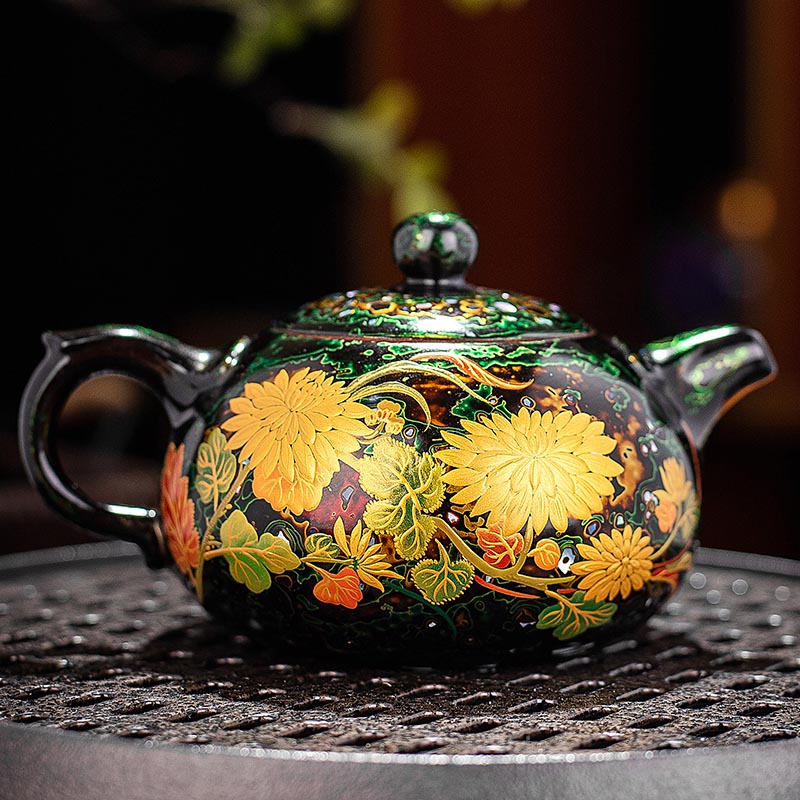
The first thing you notice with a teapot and burner is weight. The pot tends to be thicker. The clay walls are not as thin and lively as a small Yixing pot made for gongfu brewing. They need enough mass to handle sustained heat. When you lift the pot off its stand, you feel that stored warmth in your palm through the handle. The handle shape matters more here. If it is too narrow, heat creeps up quickly. A well-made pot leaves just enough space between the handle and the body so your fingers are safe, even after ten or fifteen minutes over a flame.
The stand itself is often overlooked, but it determines stability. A poorly balanced stand makes you nervous. The flame flickers, the pot trembles slightly, and you find yourself hovering a hand nearby. A good one sits low and steady. The ring that holds the pot is level, and the feet are evenly trimmed so nothing rocks on the tea tray. When you set the pot down, there is a small, solid contact. No wobble. That steadiness changes how relaxed you feel during brewing.
If the pot is glass, the experience becomes visual. You can watch the leaves unfurl and drift upward as convection begins. With aged white tea, the liquor slowly deepens from pale gold to amber. Tiny streams of bubbles cling to the edges before rising. It is hard not to watch. Glass is honest in that way. It shows you if the flame is too high. A rolling boil looks aggressive and unsettled. A gentle simmer, with slow movement and only occasional bubbles, feels right for most teas prepared this way.
Clay behaves differently. Unglazed clay absorbs and softens heat. The surface stays matte and dry, even as the interior grows very hot. Over time, if you use the pot often, the exterior develops a slight sheen from handling. The lid begins to seat more smoothly as clay edges polish against each other. When you place the lid on, there is a faint, cushioned sound. Not a sharp click, but a soft settling. Those are the details you come to appreciate.
Brewing tea over a burner is not the same as gongfu infusions in a small Yixing pot where you pour quickly and reset for the next steep. Here the tea is often left to extract more fully. You might start with boiling water, add the leaves, and then reduce the flame to maintain a quiet simmer. The timing stretches out. Instead of multiple short infusions, you have one evolving pot. The liquor changes gradually. Early cups are lighter, later ones thicker and sweeter, sometimes with a faint cooked fruit note that only appears when heat is sustained.
It is easy to overdo it. Too much flame and the tea turns harsh, especially with greener leaves. The bottom of the pot can overheat, creating a slightly stewed flavor. You learn to adjust the wick of the alcohol lamp, trimming it so the flame is modest. Some people prefer a small tea light because it is weaker and more forgiving. There is a bit of trial and error before you trust your setup.
Practical details matter more than aesthetics in this kind of tea ware. Soot can collect on the underside of the stand if you use anything other than clean alcohol. Spilled tea dries quickly when heat is constant, leaving rings that need scrubbing. If the pot is glazed, cleaning is simple. If it is unglazed, you have to be more careful, especially if you dedicate it to one kind of tea. Heat drives aroma into the clay more quickly.
The spout design becomes noticeable when the pot is full and hot. A clean, decisive pour is essential. You do not want dribbling tea running down onto the stand and hissing near the flame. When the spout and lid fit are well made, you can tilt confidently. The stream is steady, and when you right the pot, the last drop pulls back instead of clinging to the lip. That small control feels reassuring when heat is involved.
I tend to use a teapot with a burner in colder months. It makes sense then. The room is cooler, and the idea of keeping tea warm for an hour feels natural. In summer, I reach for smaller pots and quicker infusions. The burner would feel excessive. This is part of its usefulness. It is not meant for every session. It fits certain teas and certain days.
There is also a social aspect. When friends sit around a table and the pot remains gently heated between cups, no one feels rushed. Conversation can drift. The host does not need to stand up repeatedly to boil more water. The flame becomes part of the table setting, something you are aware of but not distracted by. You glance at it occasionally, adjusting it slightly, the way you might adjust the angle of a lid.
A teapot with a burner is not delicate in the way a small handmade Yixing pot can be. It asks for a bit more space and attention. It carries more risk. But when the proportions are right, when the stand is stable and the flame is modest, it creates a different kind of tea experience. Slower, yes, but also more continuous. The heat never quite leaves the vessel. The tea evolves in front of you, and you learn to read it by sight, by scent, by the feel of the handle in your hand.