The Mystery and Craft of the Assassins Teapot
The Mystery and Craft of the Assassins Teapot
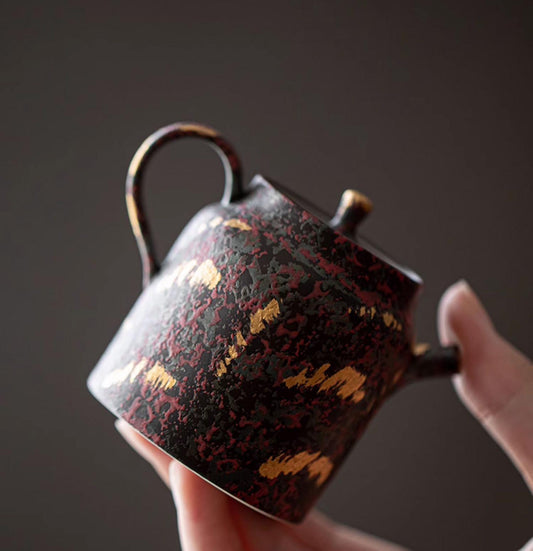
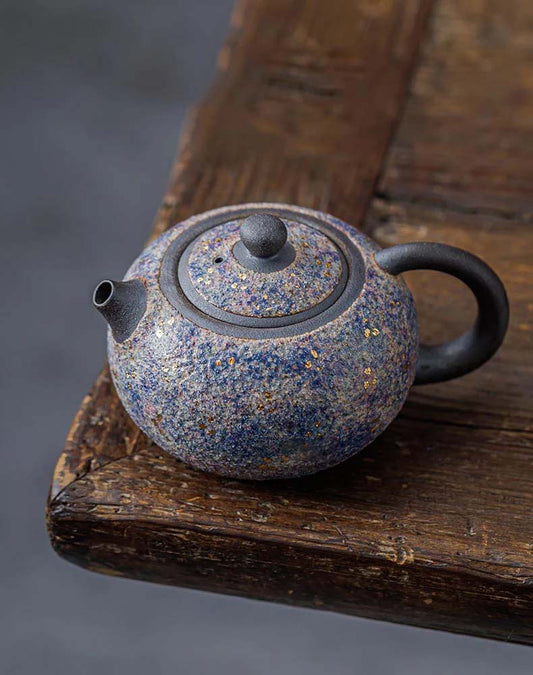
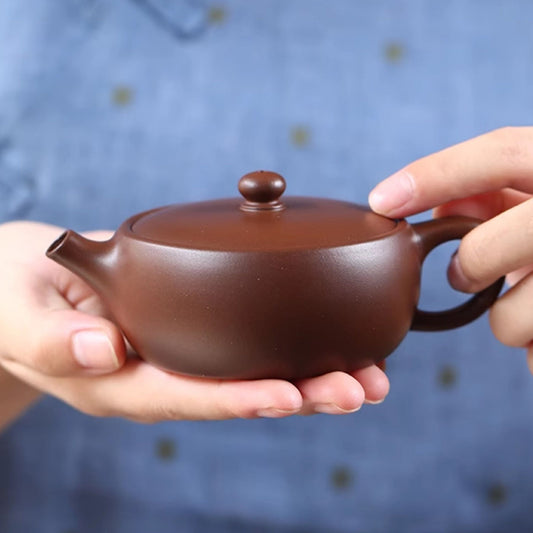
Nestled within the complex and colorful tapestry of tea culture lies a peculiar piece of teaware known as the Assassin’s Teapot. At first glance, it resembles a fairly ordinary vessel, yet its magic is in its cunning design. For the unassuming drinker, this teapot could serve either as a delightful novelty or a vessel for treachery. Its origins and mechanics are as intriguing as its legendary namesake.
The Assassin’s Teapot, sometimes called the “one pot, two spouts,” is a marvel of ingenuity. This clever piece of craftsmanship is equipped with two separate chambers inside a single teapot, each with its own spout. Through a masterful sleight of hand, a pourer can discreetly tip the pot to serve liquid from only one chamber at a time. The trick lies in the positioning of fingers over the air holes of the spouts, which dictates the flow of liquid. To watch it in action is to witness a dance of subtle physics and mechanics, leaving the onlooker both puzzled and fascinated.
Though the exact origin story of the Assassin’s Teapot is often debated among tea historians, tales of its use in ancient China are quite popular. As legend has it, this teapot was a favored tool in the arsenals of cunning courtiers and strategic diplomats. The story goes that a host could offer tea from one chamber filled with a comforting brew, while the other could contain a more sinister concoction intended for enemies. In reality, it's likely that such dramatic tales grew out of the human penchant for storytelling rather than wide-scale culinary subterfuge. Nevertheless, these stories add layers of intrigue and allure, transforming a simple object into a vessel of imagination and history.
The design of the Assassin’s Teapot is no easy feat. It requires a blend of precision and artistry, traits that are inseparable from the traditional craftsmanship found in various teawares. Artisans must carefully balance aesthetics with function, ensuring that the dividing wall between the chambers is flawlessly sealed and the dual spouts are meticulously aligned. It’s a testament to the skill and patience of these artisans, who often work without the aid of modern machinery. Such craftsmanship echoes the values of meticulous detail and careful thought that underscore the essence of tea culture as a whole.
While the Assassin’s Teapot might not be a staple in everyone’s tea ritual, it represents an intriguing intersection of art, science, and folklore. For those inclined towards the whimsical side of tea appreciation, owning one of these teapots is like possessing a secret—a reminder that sometimes the tea experience is as much about the story as it is about the drink itself. Whether used for playful demonstrations at gatherings or simply as a conversation starter on a cozy afternoon, the Assassin’s Teapot adds a touch of mystery to the art of tea, inviting us to ponder the deeper tales behind the everyday objects we often take for granted.