The Evolution of Asian Tea Sets for Modern Home Drinking
When people say “Asian tea sets,” they often picture a matched arrangement: a small teapot, several handleless cups, maybe a tray. In practice, what ends up on the table is usually less uniform and more personal. A porcelain gaiwan next to a clay teapot. Cups collected one at a time. A glass fairness pitcher because it pours cleanly. The set forms slowly, around the way someone actually drinks tea.
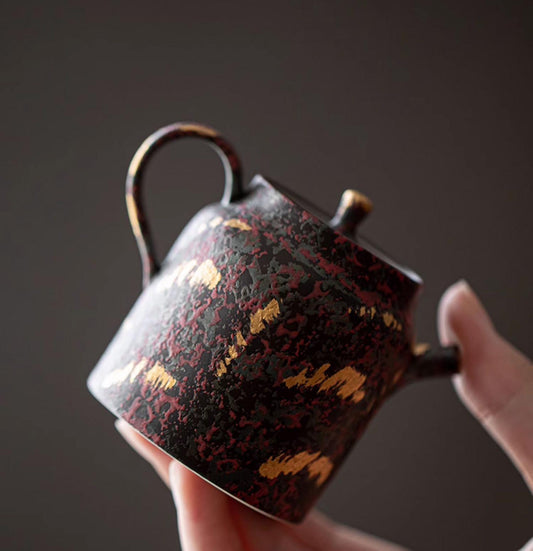
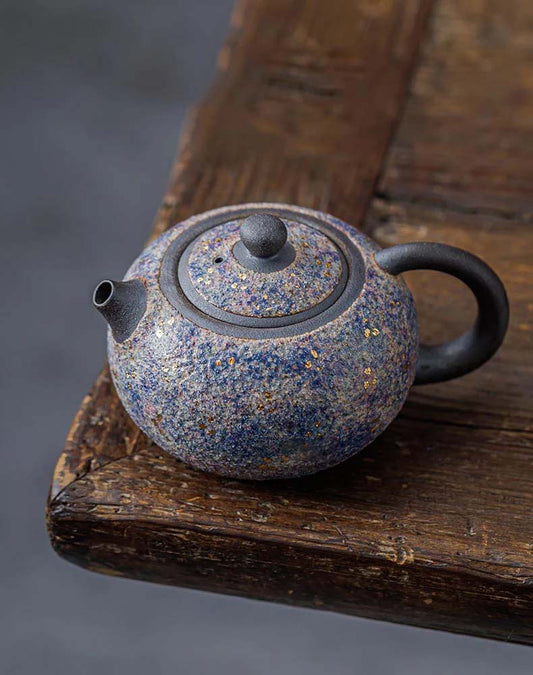
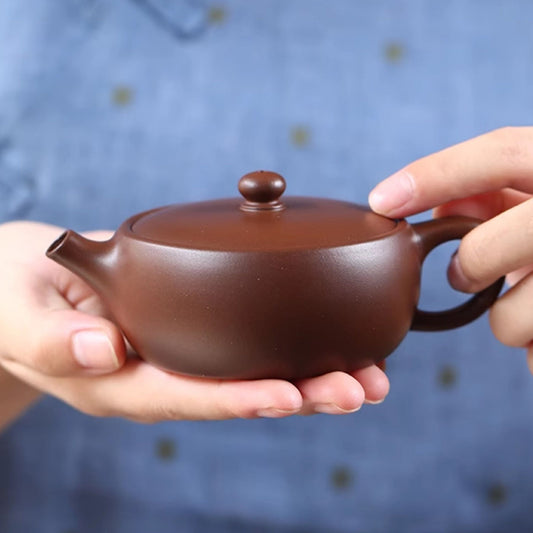
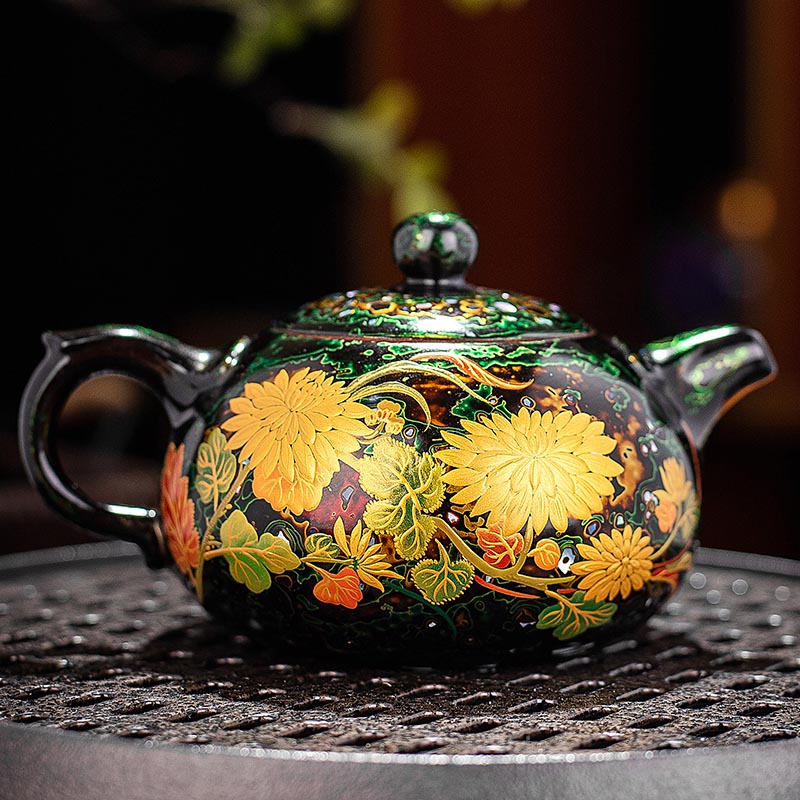
In a gongfu session, the teapot or gaiwan does most of the work, so its proportions matter more than decoration. A good small Yixing pot, for example, feels balanced the moment you lift it. The handle is not large, but your fingers settle into it without strain. When you tilt, the body does not lurch forward. The stream starts quickly and runs steady, without dribbling down the spout. You notice whether the lid rattles or stays quiet under your thumb. A well-fitted lid gives a soft, contained sound when it settles into place, a small click of clay against clay.
Unglazed clay has a dry, almost powdery texture at first. After months of use, it changes. The surface develops a low sheen where your fingers rest. It is not glossy, just slightly deeper in tone, as if the clay has absorbed something of the repeated heat and steam. This is less mystical than it sounds. Oils from hands, tea vapor, careful wiping with a damp cloth. The pot becomes easier to grip when wet. It feels warmer, more familiar.
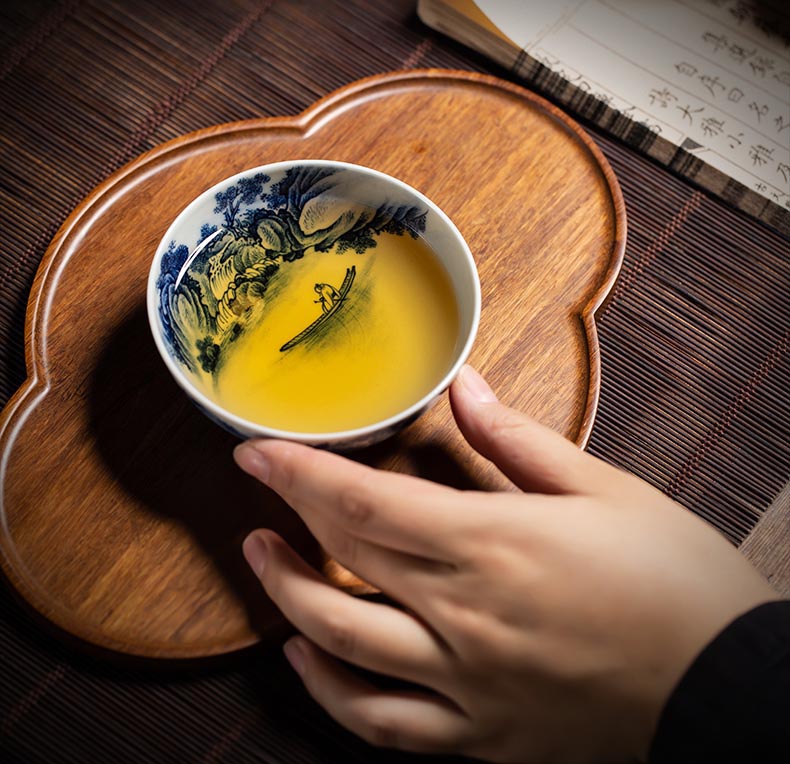
Porcelain offers a different kind of clarity. A thin-walled gaiwan in plain white porcelain shows you everything. The unfurling of rolled oolong leaves. The way green tea needles stand upright, then sink. Porcelain does not soften or round the flavor the way some clays do. It is neutral and honest. When you bring the lid down to pour, the edge of the lid meets the rim with a faint ring. The sound is crisp. If the fit is good, the water streams cleanly through the narrow opening without leaking along the seam.
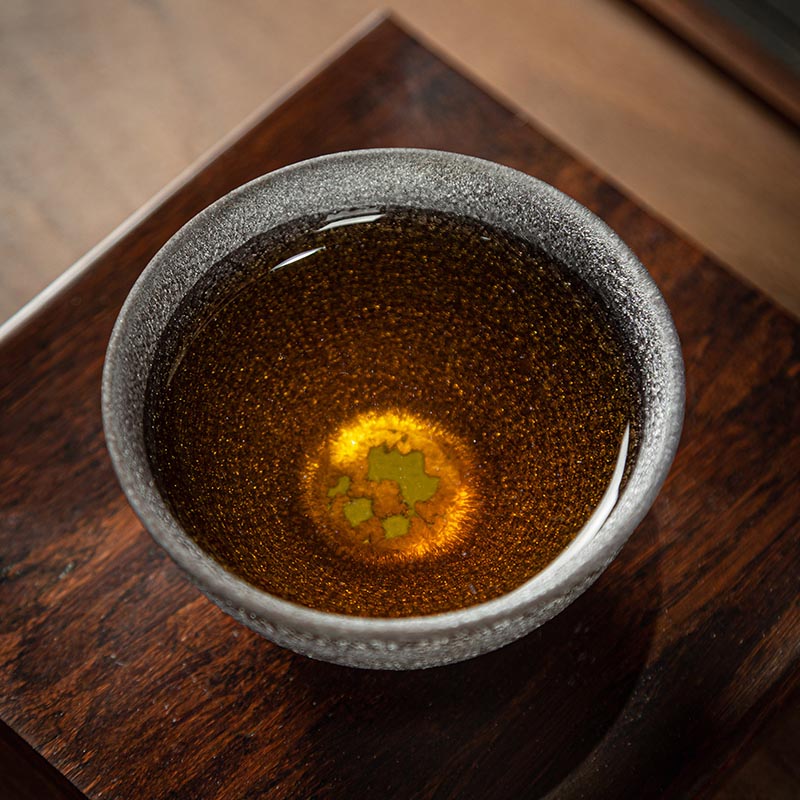
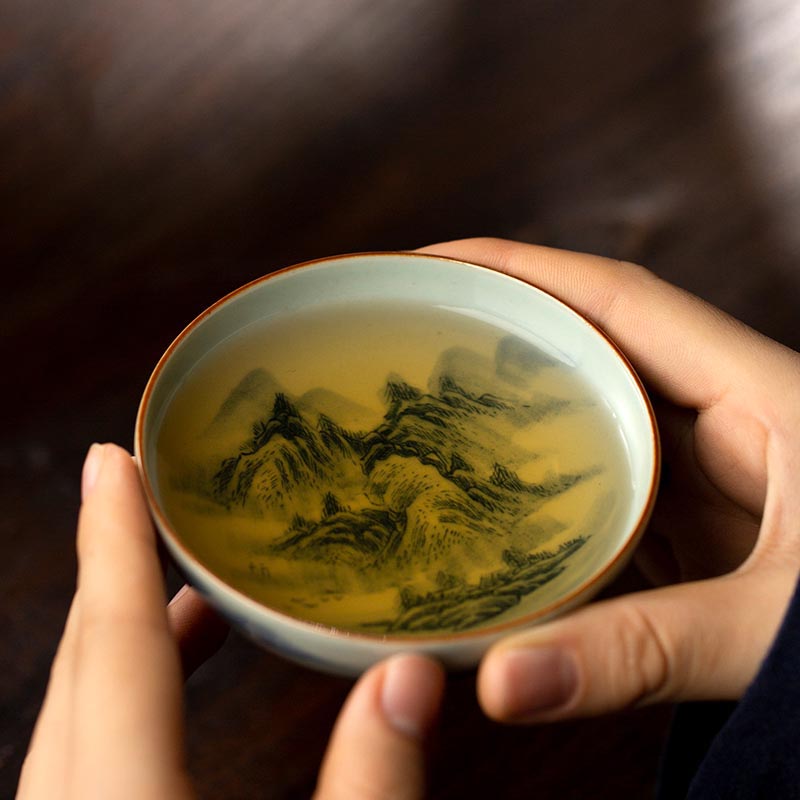
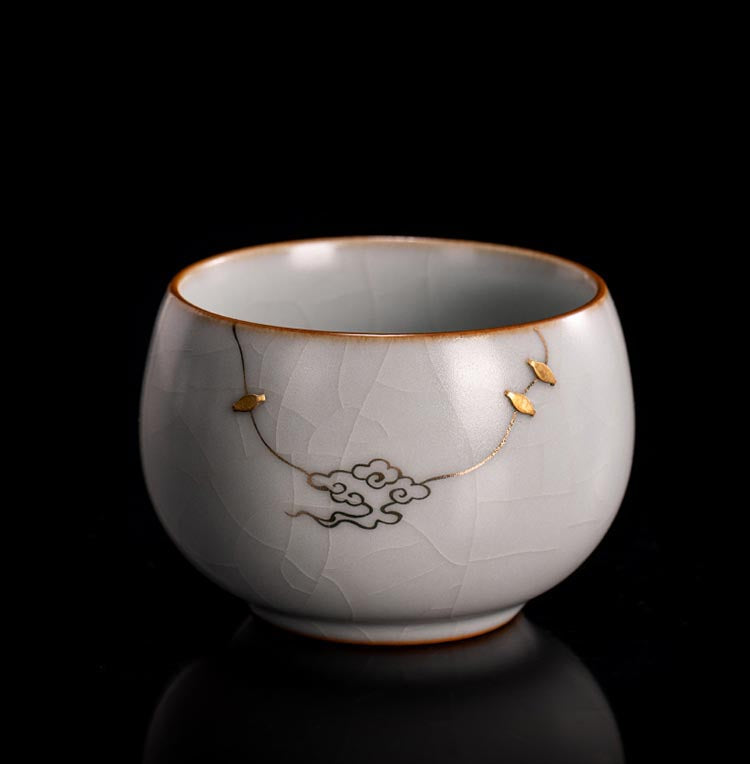
Cups are often overlooked when people shop for a tea set, but they shape the experience as much as the pot. A very thin porcelain cup cools quickly, which can be a gift with high-aroma oolongs. You can lift it to your lips almost immediately, without burning your fingers. The rim, if it is finely finished, disappears in use. A thicker cup holds heat longer and makes darker teas feel weightier. Some cups flare slightly at the lip, spreading the tea across the tongue. Others narrow inward and concentrate aroma. These differences are subtle, but when you drink the same tea across different cups, you begin to notice how the vessel directs attention.
Then there is the fairness pitcher, the simple glass or porcelain vessel used to collect the tea before it is poured into cups. Its purpose is practical. It evens out the strength of the infusion so that each person receives the same brew. In use, you come to appreciate its balance and spout shape. A good pitcher empties fully with a single tilt. Cheap ones tend to dribble, leaving a thin line of tea along the lip that stains over time. Glass shows the color of the liquor beautifully, but it also shows every fingerprint and water spot. Porcelain hides more, but you lose that visual cue. I keep both within reach and choose depending on the tea.
Tea trays, too, are less about appearance than about managing water. Gongfu brewing is wet. You rinse leaves, warm cups, overflow a pot slightly to keep the lid hot. A well-made wooden tray drains quickly and does not warp after repeated soaking. The slats should be smooth but not slippery. If the tray is too shallow, it fills faster than you expect. If the drainage hole is poorly placed, water pools in one corner. These are small frustrations that only reveal themselves through use.
Storage jars complete the set in a quieter way. Loose leaf tea is sensitive to light, air, and humidity. A good porcelain or glazed ceramic jar with a well-seated lid protects aroma without adding any of its own scent. When you open it, the lid should lift with a slight resistance, not a loose clatter. Some older jars develop a faint tea smell that lingers even when empty. I prefer jars that remain clean and neutral, especially for greener teas. For darker, roasted teas, a bit of warmth in the container does less harm.
Not everything that looks impressive on a shelf works well on a table. Oversized pots are awkward in gongfu brewing, where infusions are short and controlled. Very ornate handles can press into the knuckles when you pour repeatedly. Extra-thin porcelain, if poorly fired, chips at the foot ring after a few washes. I have pieces I admire but rarely use because they demand too much care or do not pour cleanly. Over time, the everyday set becomes clear. It is the one that feels natural in the hands, that rinses easily, that stacks neatly to dry.
There is also the quiet sequence before the first infusion. Setting out the pot, the cups, the pitcher. Scooping dry leaves from a caddy with a small bamboo scoop. Tapping the lid gently into place. These movements are not ceremonial in a grand sense, but they are consistent. The objects guide them. A small pot encourages shorter infusions and closer attention. A wide gaiwan invites you to look at the leaves between steeps. Even the spacing of cups on the tray affects how you pour, how you pass a cup to someone sitting across from you.
When a tea set comes together well, it does not announce itself as a set. It supports the tea without distraction. The clay holds heat where it should. The porcelain shows what needs to be seen. The cup rests lightly in the hand. After many sessions, faint stains form at the bottom of cups, the tray darkens slightly, the pot’s surface softens. None of it feels precious in the fragile sense. It feels used, which is better.
What draws people to these tea sets is often the look at first glance. What keeps them using them is how they pour, how they fit the hand, how they respond to repeated heat and water. The beauty is there, but it sits inside the function. If you pay attention to that, the set will shape itself around your way of drinking tea, rather than the other way around.