The Enchanting Allure of the Blue Cup and Saucer
The Enchanting Allure of the Blue Cup and Saucer
In the world of tea, where nuances intertwine with age-old traditions, the blue cup and saucer emerge not just as delicate vessels for your morning brew but as symbols steeped in history and craftsmanship. The allure of this particular hue is more than a mere aesthetic choice; it carries the whispers of ancient dynasties and cultural exchanges.
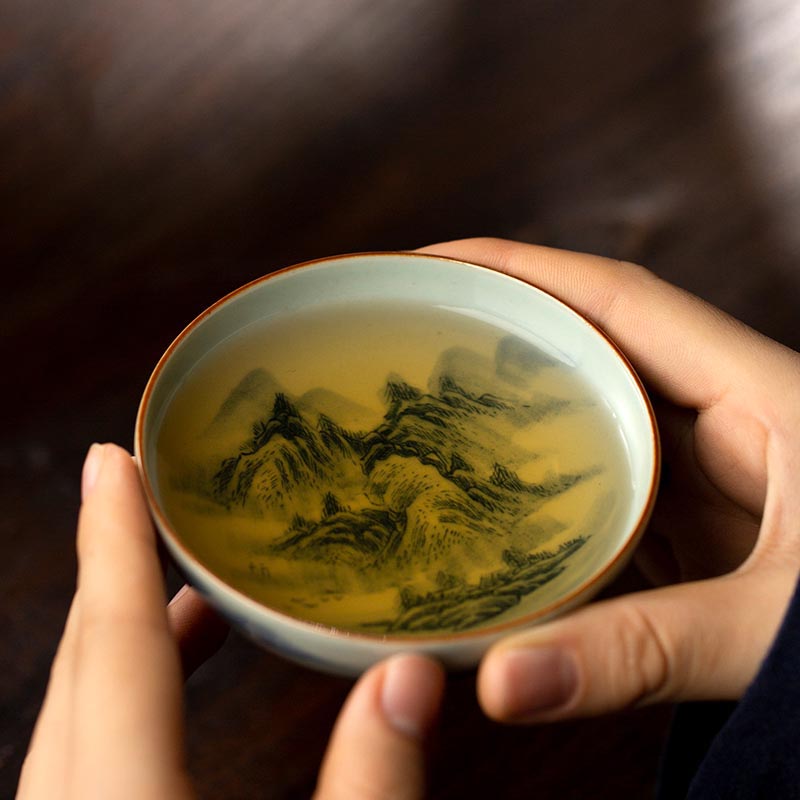
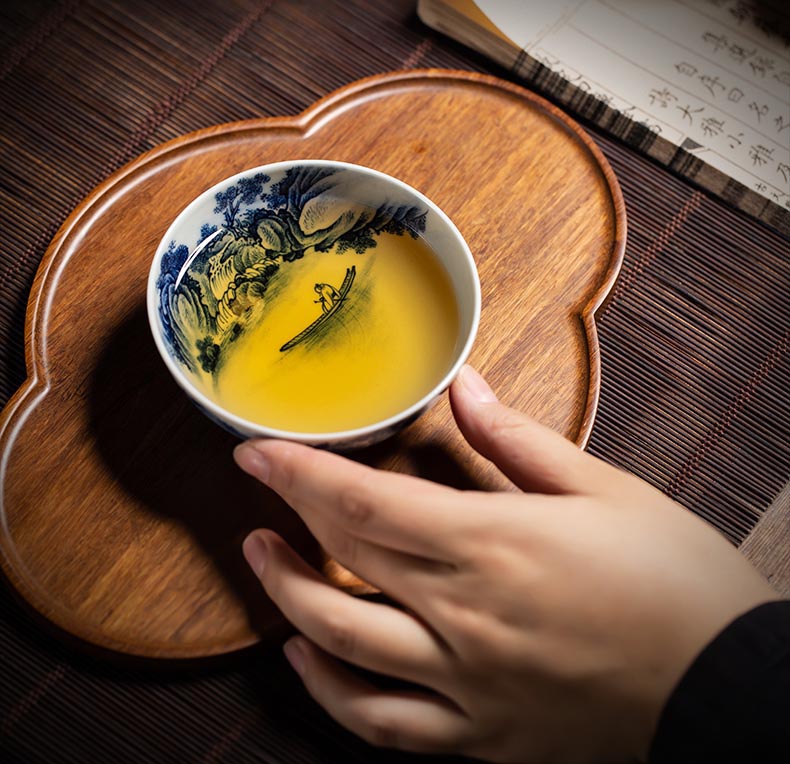
The story of the blue cup and saucer takes us back to China’s Ming Dynasty, a period when porcelain became the canvas for cobalt blue, the only pigment that could withstand the high temperatures of kilns. The resulting blue-and-white wares became so coveted that they traveled the Silk Road, enthralling the Western world and sparking a global fascination that persists today. When you hold a blue cup, you’re holding echoes of centuries past, a piece of history refined through both time and skill.
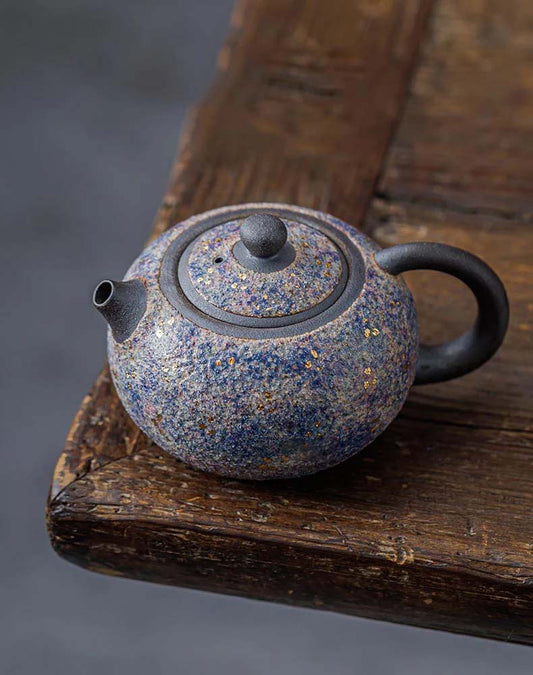
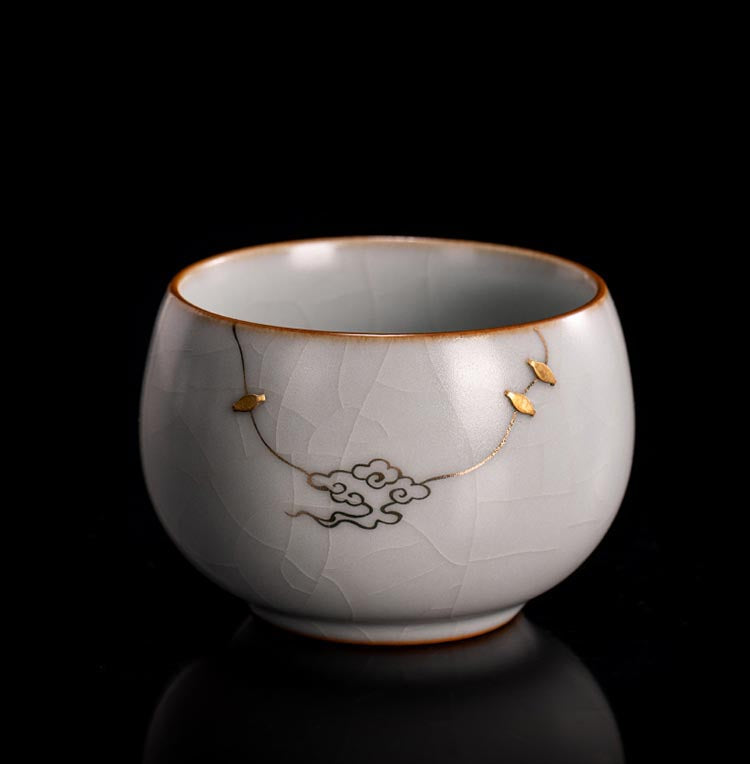
On a tactile level, there's something deeply satisfying about the way a blue ceramic surface feels against the skin. The glaze, often smooth and cool, gives way to the warmth of tea within, creating a subtle dance of temperature that heightens the sensory experience. Crafting such pieces is an art form in itself, demanding impeccable precision and an artist's eye. The richness of the blue is born from meticulous layering, each brushstroke potentially altering the final outcome. Among artisans, achieving the perfect shade is both a challenge and a testament to their mastery.
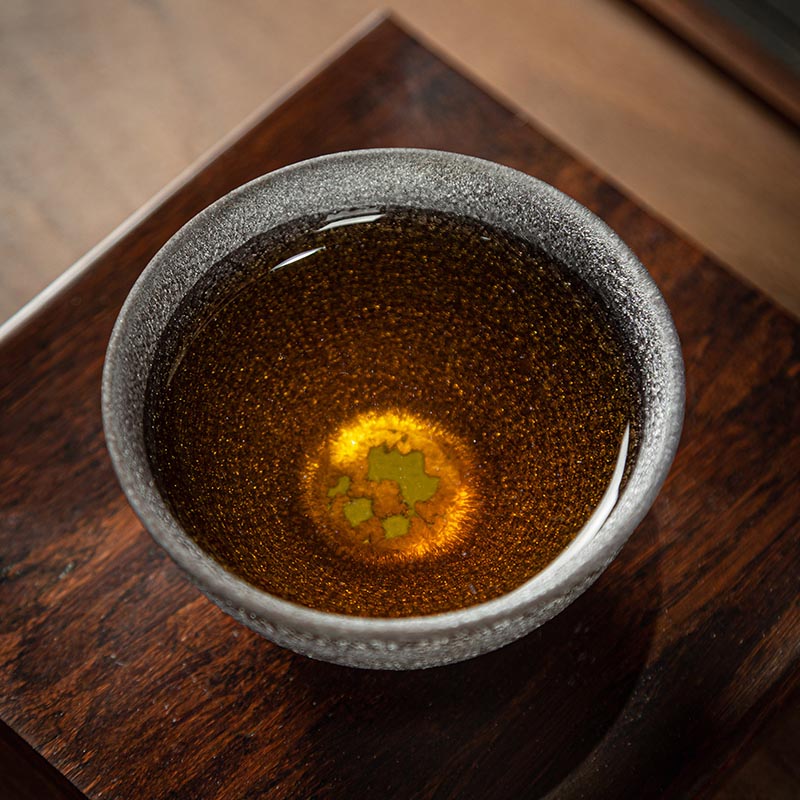
Moreover, blue's connection to tranquility and serenity finds a natural home in the tea ritual. In the hushed moments of preparing and savoring tea, the blue cup complements this harmony, inviting quiet reflection. This color, reminiscent of expansive skies and deep oceans, provides a gentle contrast to the vibrant greens or deep ambers of the tea, enhancing both the visual and emotional ambiance of the moment.
The blue cup and saucer are also emblems of cross-cultural dialogue. From the arrival of Chinese porcelain in European courts to the modern-day appreciation in homes worldwide, they remind us that tea, much like life, is a journey of exchange and appreciation. We find ourselves linked not just by the tea we consume but by the shared aesthetics that these pieces bring to our everyday rituals.
Next time you reach for your blue cup and saucer, take a second to pause. Consider the lineage of hands that shaped it, the vibrant history imbued in its glaze, and the simple elegance it brings to your table. It isn't just a vessel; it's a connection—a reminder of the beauty found in tradition and the ever-evolving story of tea.