The Elegance of Bone China A Teacups Whisper
The Elegance of Bone China A Teacups Whisper
In the quiet moments of a late afternoon, with the sun casting gentle shadows, there's something almost sacred about cradling a cup of tea in your hands. If that cup happens to be made of bone china, you might find yourself not just enjoying a beverage, but participating in a legacy of craftsmanship and subtlety that whispers stories of its own.
Bone china, with its delicate translucence and gentle sound, holds a unique place in the world of teaware. It is a material born from tradition, as well as innovation. The story of bone china starts in the 18th century, when English potters sought to replicate the beauty and finesse of Chinese porcelain, which was highly coveted across Europe. The secret of porcelain remained elusive until one inventive potter named Thomas Frye, in the mid-1700s, began experimenting with bone ash. The addition of ground cattle bones to the clay created a new material that was not only strong but also had a unique milky white quality with a translucent glow when held up to the light.
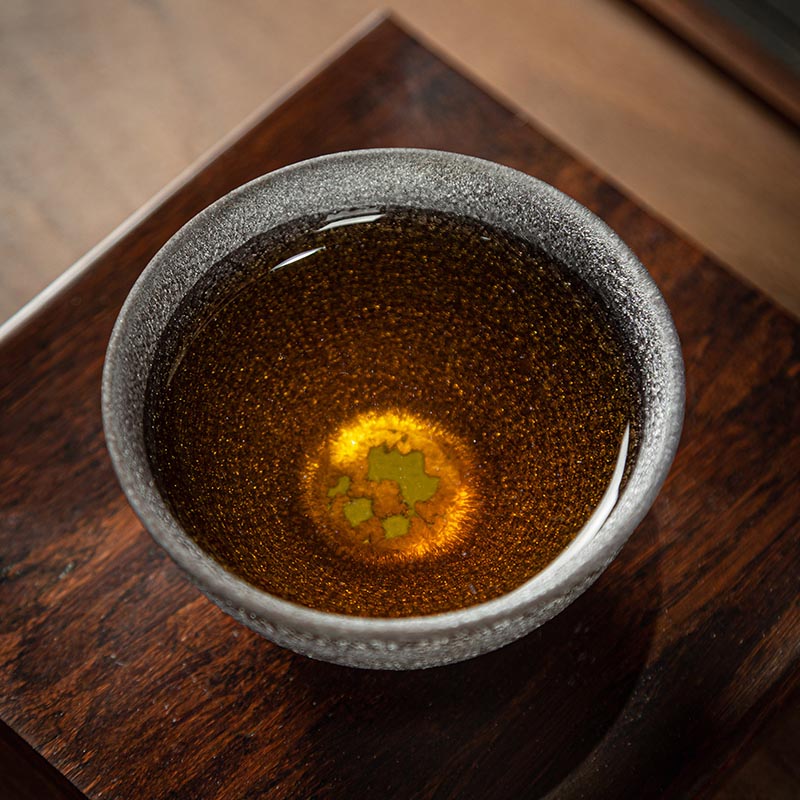
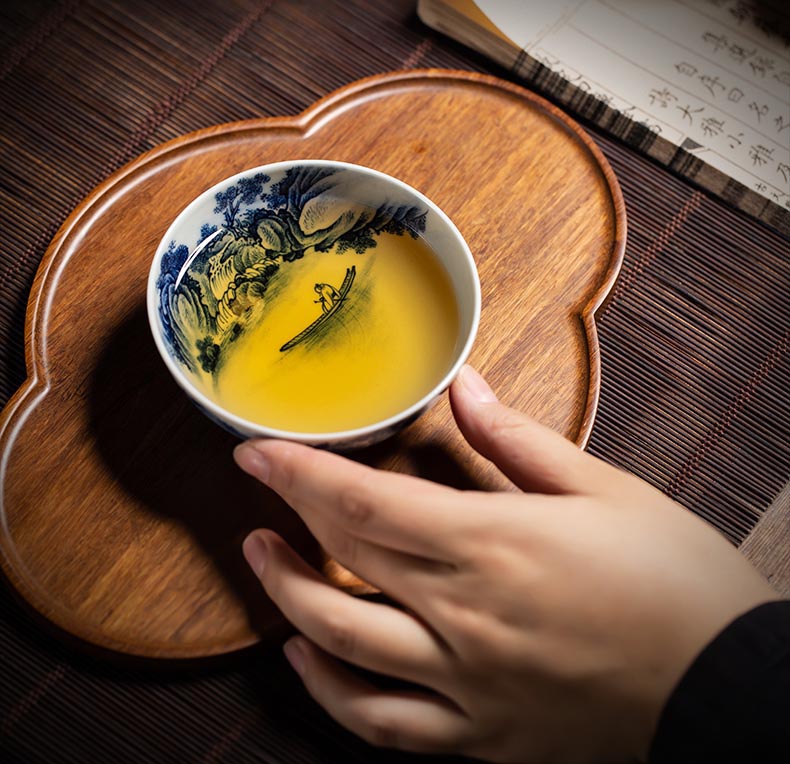
This may sound like mere technicality until you experience the first pour. Watching the light amber liquid cascade into a bone china teacup, there’s an intricate dance — the cup’s thin walls cool the tea just enough, while its smooth surface seems to amplify the tea’s aroma. It’s this kind of experience that turns a simple ritual into an appreciation of both the tea and the vessel that holds it.
Yet, what makes bone china truly remarkable isn't just its beauty or its utility; it's the craftsmanship. Despite modern manufacturing techniques, creating bone china still demands a blend of art and skill. Each piece requires a delicate balance of material and expertise to achieve its characteristic thinness and strength. The process involves multiple firings and precise handling, ensuring that every teacup is not merely a product, but a testament to human artistry.
A bone china teacup also carries cultural narratives, particularly in the way it bridges East and West. While its conceptual roots are in the desire to mimic Chinese porcelain, the resulting material became a symbol of British tea culture. In Victorian England, afternoon tea was an occasion, a social ritual that bone china helped define. The elegance of the teacup became synonymous with civility and grace, attributes still associated with it today.
Using a bone china teacup can transform an everyday tea break into a moment of quiet elegance. It invites you to pause and appreciate the uncanny blend of history, art, and culture at play. And perhaps, it whispers a gentle reminder: that in this world of fast-paced living, the essence of joy often lies in these small, beautifully crafted moments.