The Art of Chinese Porcelain Teapots A Tale of Elegance and Craftsmanship
The Art of Chinese Porcelain Teapots A Tale of Elegance and Craftsmanship
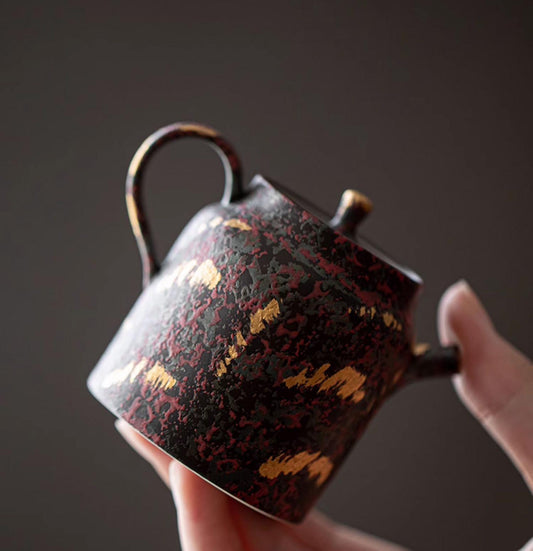
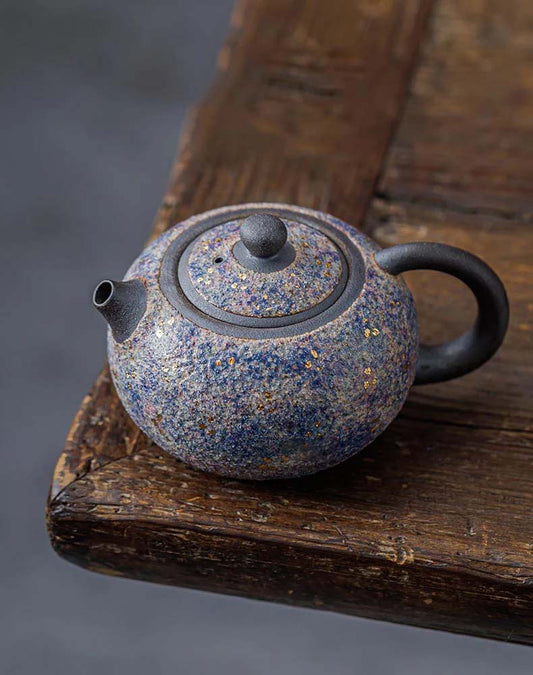
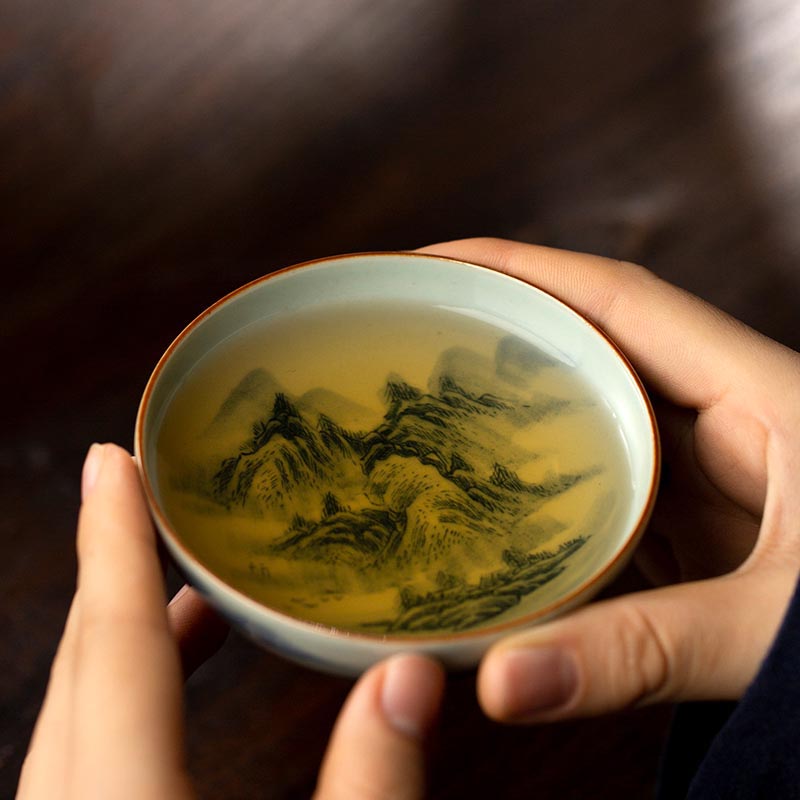
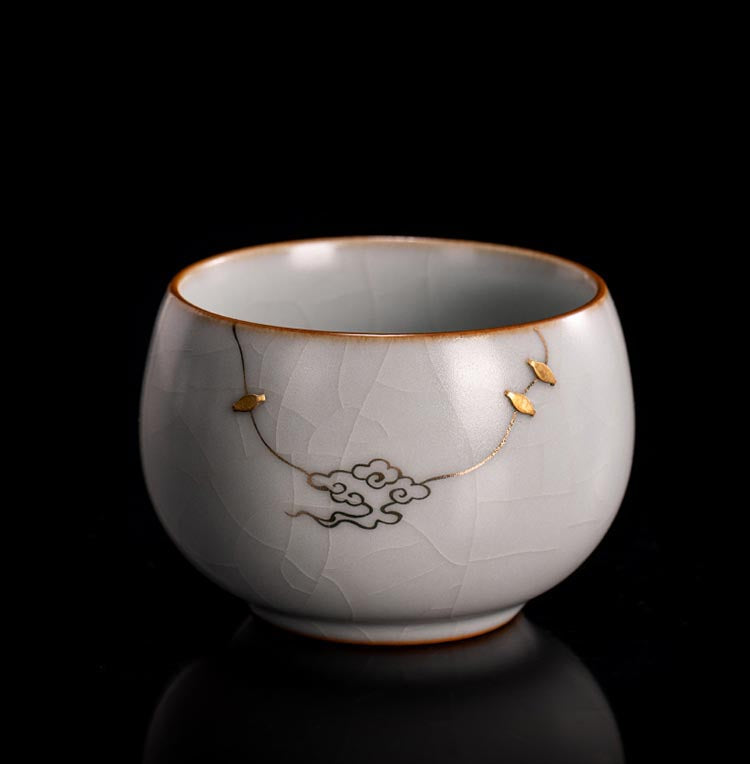
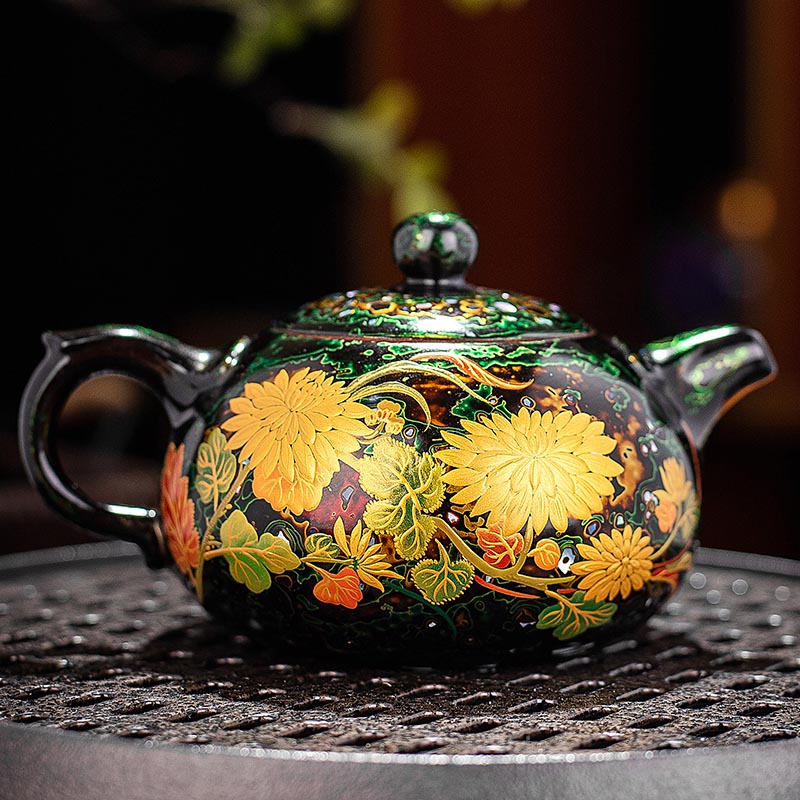
In the cozy worlds of tea enthusiasts, there exists a place of reverence for the Chinese porcelain teapot. These delicate creations are not merely vessels for steeping leaves; they encapsulate centuries of artistry and tradition. The allure of a Chinese porcelain teapot begins with its smooth, glossy surface, often adorned with intricate patterns that seem to whisper stories of ancient dynasties and far-off lands.
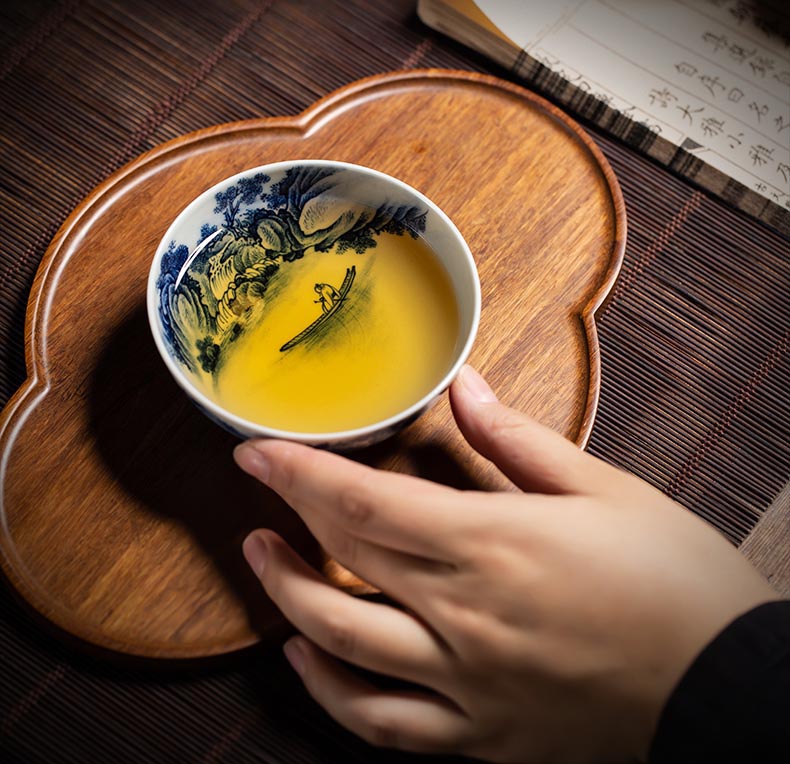
Porcelain, known to the Chinese as "ci," was perfected during the Tang dynasty, around the 7th century. However, it was the Ming dynasty that saw the golden age of porcelain teapots, a time when the city of Jingdezhen became synonymous with the highest-quality porcelain worldwide. Often painted in the iconic blue and white, these teapots were as much works of art as they were functional items. It’s a humbling thought that these pieces, once considered exotic treasures in the West, were everyday objects in Chinese households.
A key aspect of the Chinese porcelain teapot is its craftsmanship. Imagine the skilled hands of an artisan, shaping clay that will later be transformed through the magic of fire into a translucent form. It's not a craft learned overnight; it requires years of dedication and an intimate understanding of the materials. Each teapot is a testament to this painstaking process, where the finest detail can elevate a piece from the mundane to the extraordinary.
Beyond their aesthetic appeal, porcelain teapots have a practical elegance. The material’s non-porous nature ensures that the teapot does not absorb the aroma and flavor of the tea, making it ideal for brewing a variety of teas without cross-flavoring. This characteristic is why many tea lovers favor porcelain when brewing delicate teas, such as white or green, where the tea’s subtlety should be unobscured by prior brews.
Porcelain teapots serve not only the function of brewing tea but also play a role in the tea ceremony itself—a ritual that invites reflection and a pause in the rush of daily life. A Chinese saying goes, "Tea is like life—a journey to be experienced, savoring each moment." In the gentle clink of a teapot lid or the soft arc of poured tea, there’s an invitation to slow down, appreciate the present, and connect with an age-old tradition.
For many, owning a porcelain teapot is about more than just the tea. It's an appreciation of the narrative each teapot carries, a connection to the hands that crafted it, and the culture that cherished it through the ages. In an ever-accelerating world, a porcelain teapot is a small, steadfast reminder of the pleasure found in taking one's time.
To hold a Chinese porcelain teapot is to feel a part of something larger than oneself—a sense of continuity with times past. It's an intimacy with craft and nature, and a reminder that sometimes the simplest joys are the most enduring. Sometimes, all it takes is a cup of tea.