Storm in a Teacup More Than Just an Idiom
Storm in a Teacup More Than Just an Idiom
On a misty afternoon last spring, in an old Kyoto tea house, I found myself pondering the phrase “storm in a teacup.” The first sip of a delicate green tea, enveloping my senses like the first hint of dawn, brought to mind the many layers beneath such a simple saying. While it’s often used to trivialize an overblown concern, in the world of tea, this phrase resonates with a profound appreciation for the subtle yet significant.
The idiomatic expression “storm in a teacup” has roots that extend across continents. It’s believed to have originated in Europe, possibly as far back as the late 16th century, with similar expressions found in languages like Latin and Italian. Yet, as I sat there with my teacup in hand, it struck me that the art of tea itself mirrors this notion—transforming small, seemingly inconsequential aspects into an experience of great depth and reflection.
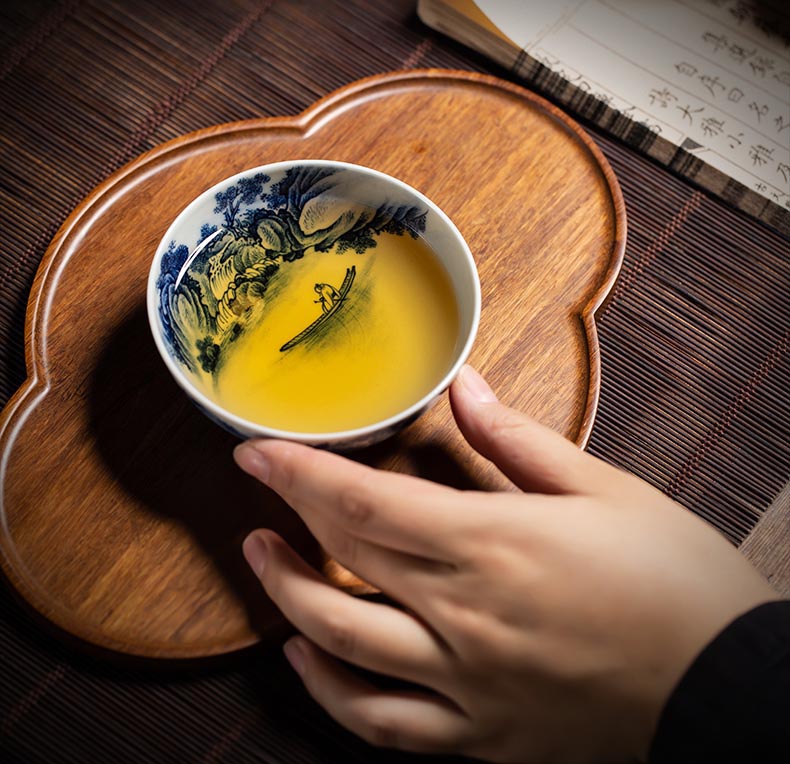
Consider the gaiwan, a piece of teaware as unassuming as it is essential. Originating from China, this lidded bowl is instrumental in the gongfu tea ceremony, where its design might seem simple, yet it handles the intricate dance of steeping fine oolong or pu-erh teas with elegance. It’s in the precise tilt of the lid, the careful pour that prevents leaves from slipping out, where one finds the quiet storm—a mastery of small details creating something significant.
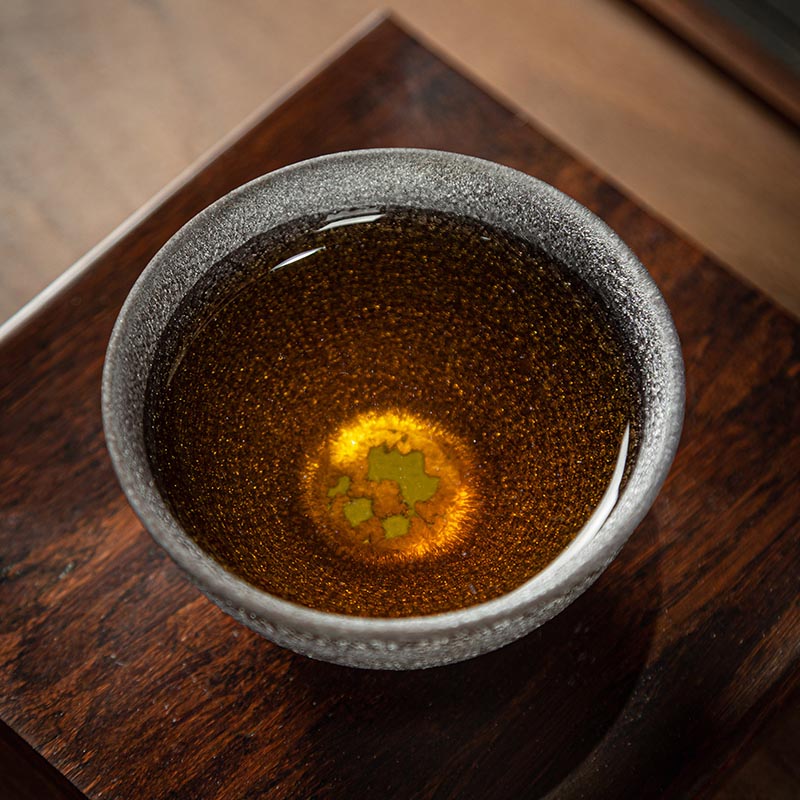
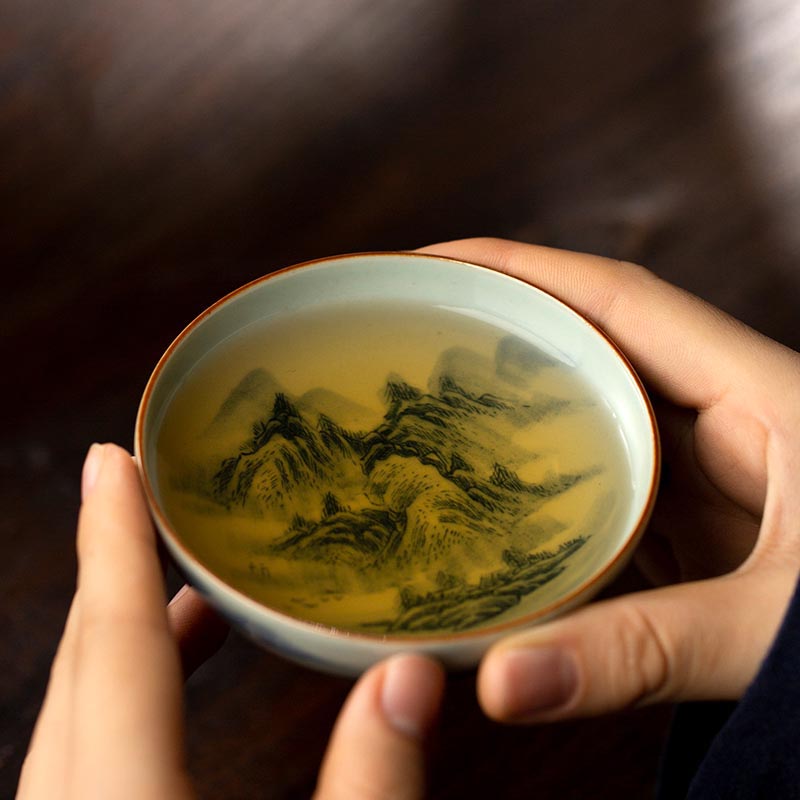
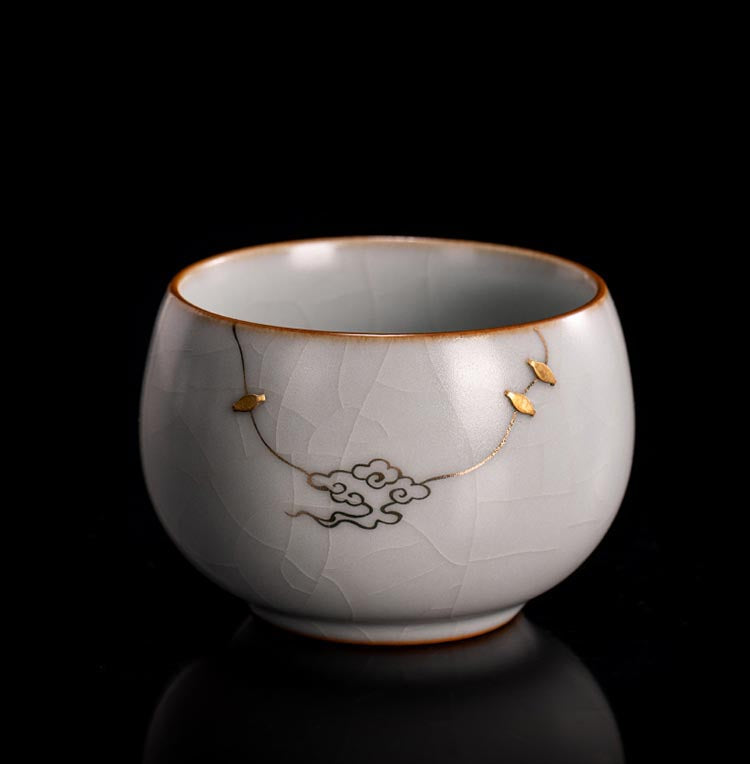
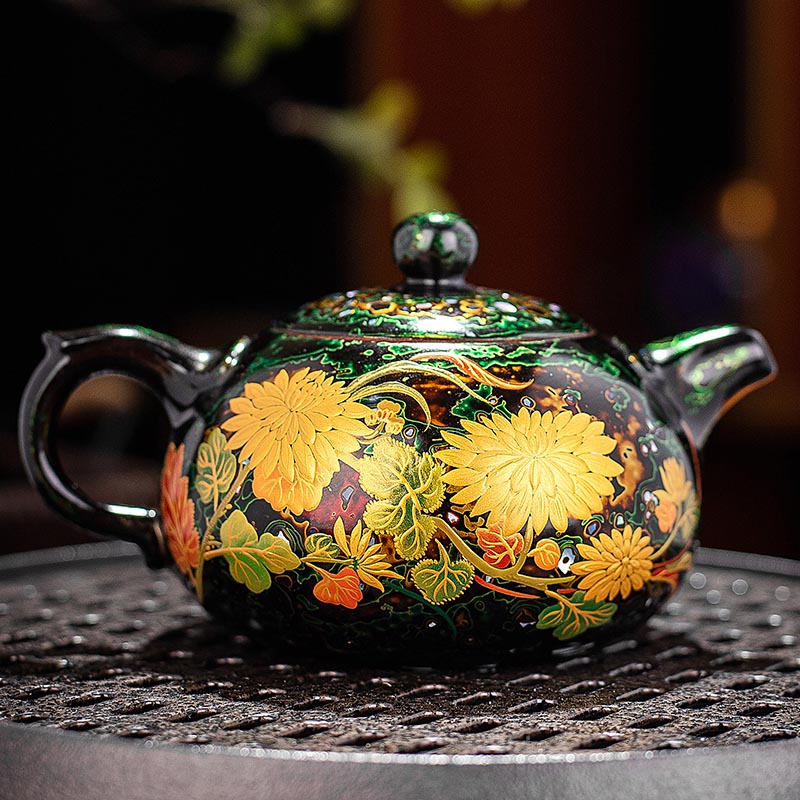
Similarly, the Jian Zhan teacups from the Song Dynasty tell a story of subtle beauty and cultural continuity. With their enigmatic glazes that shift under different lights, they prove that what might be perceived as a minor detail can indeed hold an entire world within. Artisans craft these cups with meticulous care, layering mineral-rich compounds to achieve an iridescence that captures the heart. It’s artistry borne out of attention to the smallest elements, like drops of rain forming a storm.
Reflecting on this, every tea culture has its storms. The Japanese tea ceremony, Sado, embraces the wabi-sabi philosophy, finding beauty in imperfection and transience—a reminder that the minor ripples within a teacup echo larger existential truths. The tea preparation becomes a meditation on the ephemeral nature of life, making peace with its hurricanes and tempests.
For those of us in the West, perhaps it’s a reminder that what appears trivial—whether a quirk poured over a conversation or the meditative act of brewing tea—is worth our patience and understanding. Life’s storms are often brewed in teacups, demanding both gentleness and respect. In a world too often swept by the proverbial tempest, let us find the significance in these small rituals and savor the tranquility they bring.
The next time you sip from your teacup, ponder the storm it might contain. Embrace the nuances, the delicate complexities that rise from every brewed leaf. After all, a storm in a teacup oftentimes holds more than meets the eye.