Searching Chinese Tea Set Near Me? What to Check Before You Buy
When someone types “Chinese tea set near me,” they’re usually hoping to find something tangible, not an idea. They want to see the lid sit in the pot, to feel the weight of a cup in the hand, to judge whether the glaze is too bright or just right. A tea set is not abstract. It is a working group of objects that have to cooperate with heat, water, and leaves.
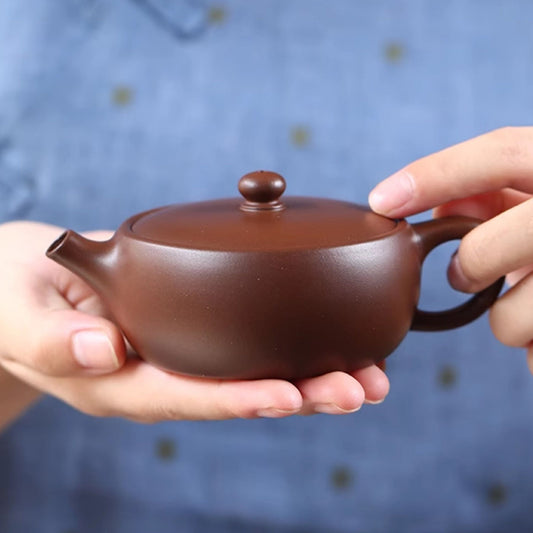
If you’re looking locally, the first thing worth paying attention to is proportion. Many sets are sold as a tray, a teapot or gaiwan, a fairness pitcher, and a row of small cups. Sometimes they look impressive lined up in a box, but when you actually lift the teapot, it feels oversized or awkward, as if it were designed for display more than brewing. For gongfu-style tea, a pot around 100 to 150 milliliters is comfortable for most people at home. Small enough to keep infusions quick and controlled, large enough that your fingers are not pressed against hot clay when you pour.
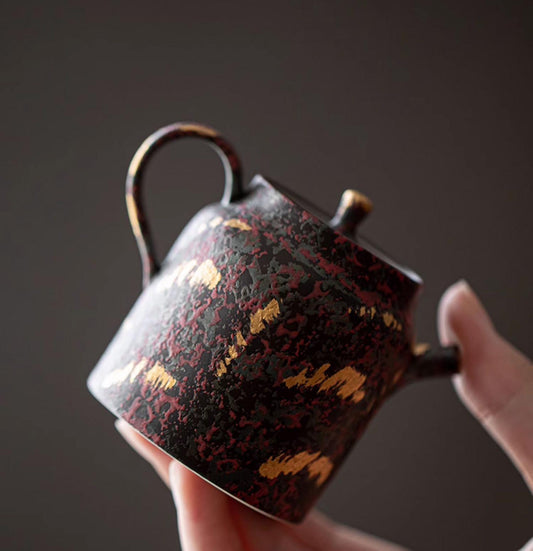
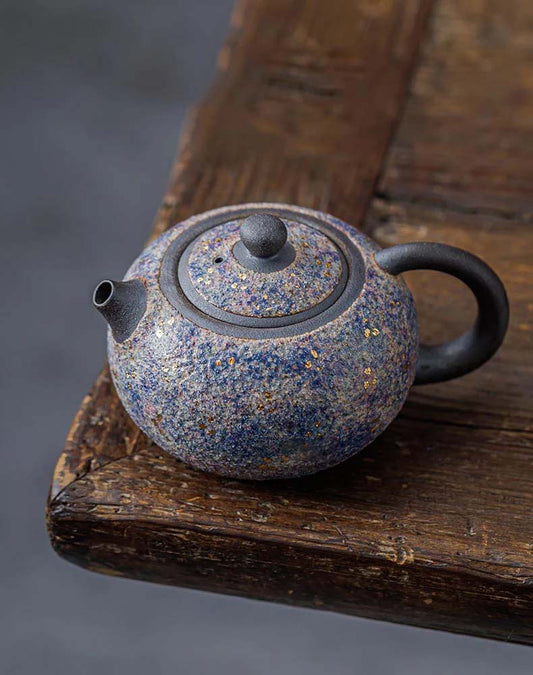
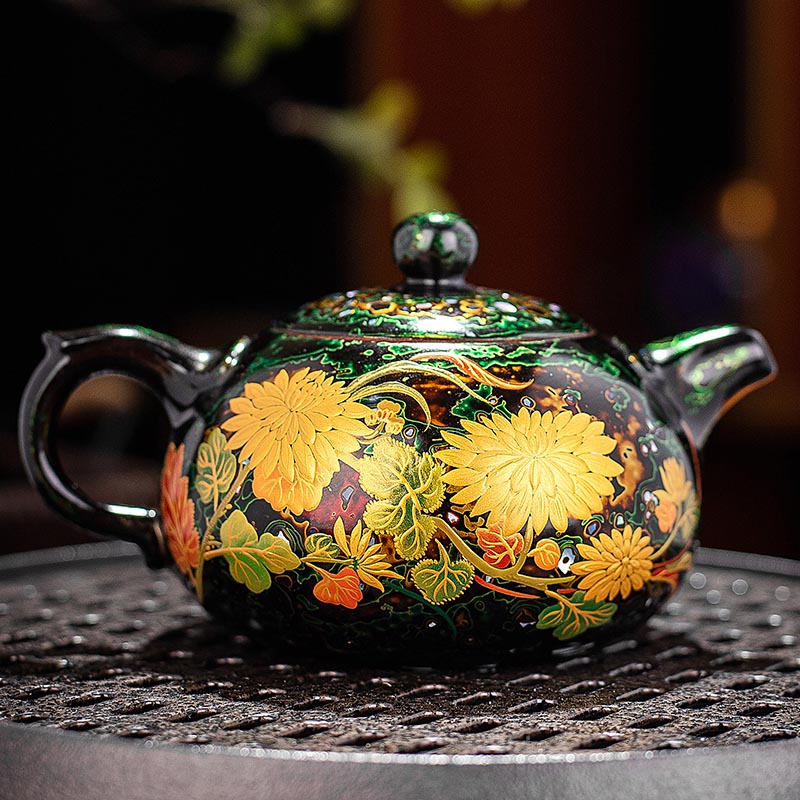
If the set includes a Yixing clay teapot, take a moment with the lid. Place it on the pot and gently rotate it. A well-fitted lid will settle with a soft, contained sound and little lateral movement. When you cover the spout with a finger and tilt the pot, the lid should stay seated. That small detail tells you something about the maker’s care. It also affects your daily use. A loose lid rattles every time you pour. A tight one becomes part of the motion of your hand.
Look at the spout alignment. Hold the pot at eye level and check whether the tip of the spout, the rim of the opening, and the top of the handle sit on a clean line. Then imagine the pour. A good spout releases a steady stream without dribbling down the underside. You only really know by testing with water, but even dry, you can see if the cut is clean and the opening is round. When brewing oolong or pu’er with short infusions, a crisp, decisive pour matters. It stops extraction at the moment you choose.
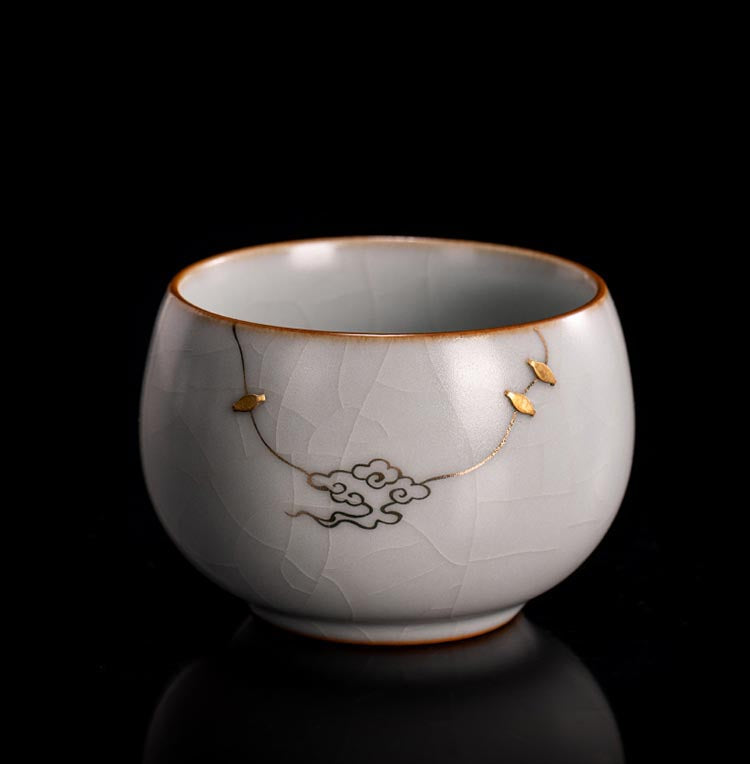
Porcelain sets tell a different story. A thin-walled gaiwan made of plain white porcelain can look almost severe on the shelf, but once you pour hot water into it, the light shifts across the glaze. The lid becomes warm under your fingers. The rim, if properly finished, feels smooth and slightly rounded, so you can tilt and pour without cutting into your skin. With porcelain, the balance between bowl and lid is everything. Too heavy a lid and the whole piece feels top-heavy when you tip it. Too light and it chatters when water rolls inside.
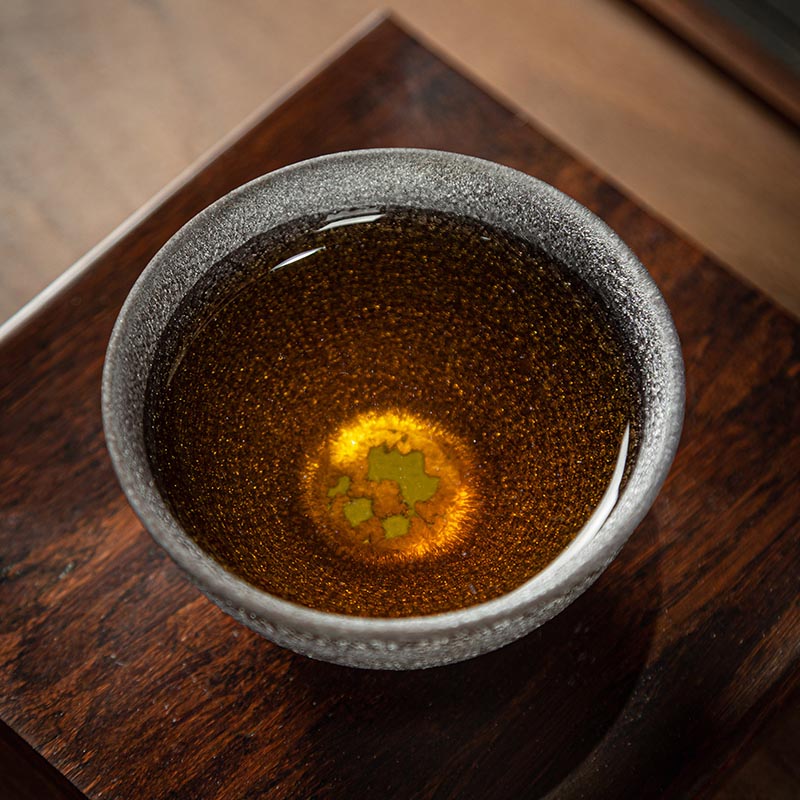
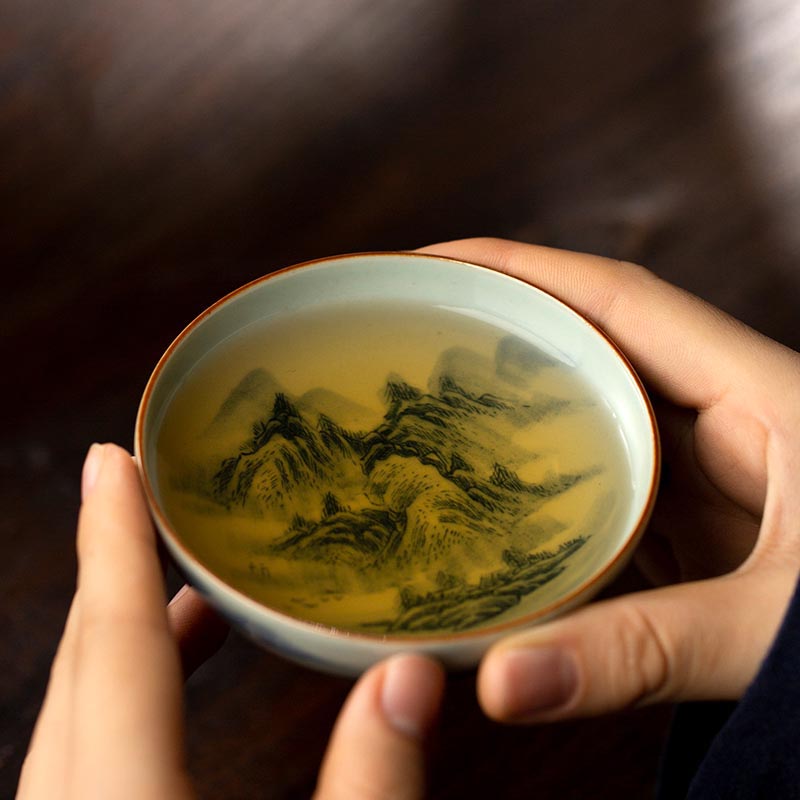
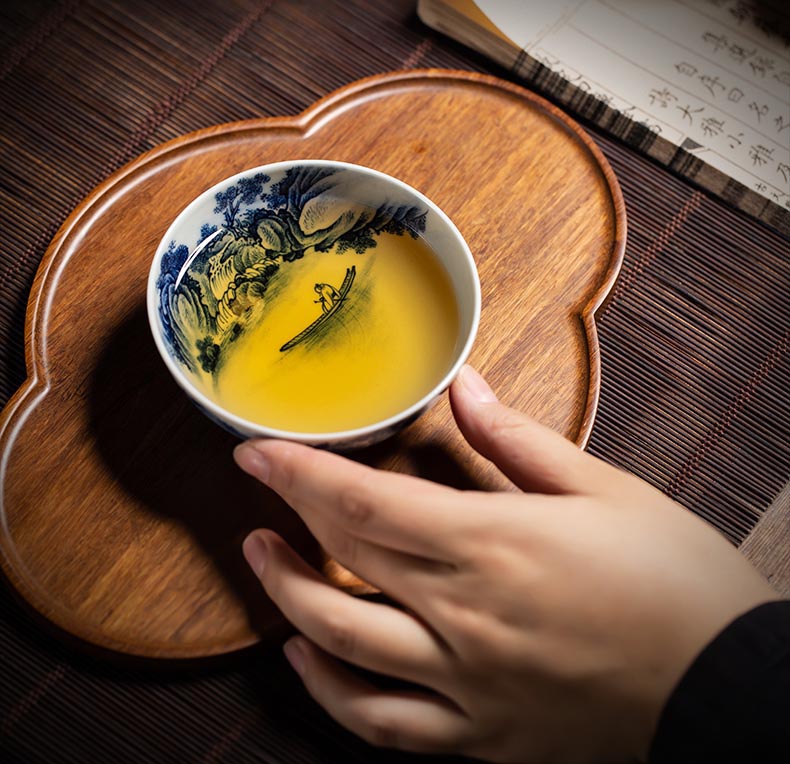
The small cups in a set are often overlooked. People focus on the pot, but the cup is where you actually meet the tea. In gongfu practice, cups are intentionally small, sometimes no more than a few sips. This is not about ceremony for its own sake. It keeps the tea from cooling too quickly and encourages attention to each infusion. When you hold a porcelain cup, notice the thickness of the lip. A slightly thinner lip feels precise against the mouth and lets the liquor flow cleanly. Thicker lips can feel clumsy, especially with lighter teas.
If the set includes a fairness pitcher, or gong dao bei, check the spout there as well. After decanting from the pot, you want to divide the tea evenly into cups without streaks running down the side. The glass versions show the color of the liquor clearly, which many people enjoy when evaluating oxidation or roast. Porcelain ones feel more cohesive if the rest of the set is ceramic. Neither is superior in principle. It depends on whether you like to watch the tea gather in the pitcher before serving.
A tea tray may or may not come with the set. Wooden trays with slats allow excess water to drain into a reservoir below. They are practical if you rinse leaves and warm vessels frequently. After a session, though, they need to be emptied and dried. If neglected, they can develop a sour smell. A simple ceramic tray without drainage is easier to clean but requires more restraint in how much water you spill. These are small domestic realities that matter more than carved decoration.
When browsing locally, I pay attention to the underside of things. Turn the cups over. Is the foot ring neatly trimmed? Does it sit flat on the table without wobbling? On unglazed clay, the foot should feel dry and fine, not sandy. On porcelain, the glaze should stop cleanly before the foot ring, without rough patches. These are not grand artistic judgments. They are signs that someone finished the piece properly.
There is also the question of whether you want a coordinated “set” at all. Many experienced tea drinkers end up assembling their own over time. A Yixing pot paired with simple white cups. A celadon gaiwan with a clear glass pitcher. Buying locally can make this easier because you can see how pieces relate in scale and tone. Matching glaze color is less important than matching mood and function. If the cups are too large for the pot, the rhythm of brewing feels off. If the pitcher dwarfs everything else, it interrupts the flow on the tray.
Handling a tea set in person also reveals something that photos do not. Clay changes with use. Unglazed Yixing develops a soft sheen where fingers rest, especially near the knob of the lid and the curve of the handle. Porcelain glaze picks up faint tea stains over time if you brew darker teas. These are not flaws. They are records of repeated sessions. But if you want a pristine look, you should know that white porcelain will eventually show its history unless you clean it carefully.
Finding a Chinese tea set near you can be as simple as locating a shop that carries loose leaf tea and a few practical brewing tools. What matters is less the label attached to the shelf and more whether the objects invite use. Lift the pot. Fit the lid. Imagine the first rinse of leaves, the quick tilt of the wrist, the line of cups waiting. If you can picture yourself reaching for that set on an ordinary afternoon, not just admiring it in a cabinet, then you have probably found the right one.