Jingdezhen Workshops Lead in High-Quality Chinese Teacups
When people ask about the best brands for high quality Chinese teacups, I usually slow the question down a little. With teapots, brand reputation can hinge on clay source or a particular maker’s hand. With cups, it is often about the kiln, the firing style, and the consistency of a workshop rather than a logo stamped underneath. A good cup is quiet. You notice it most when it does not interfere.
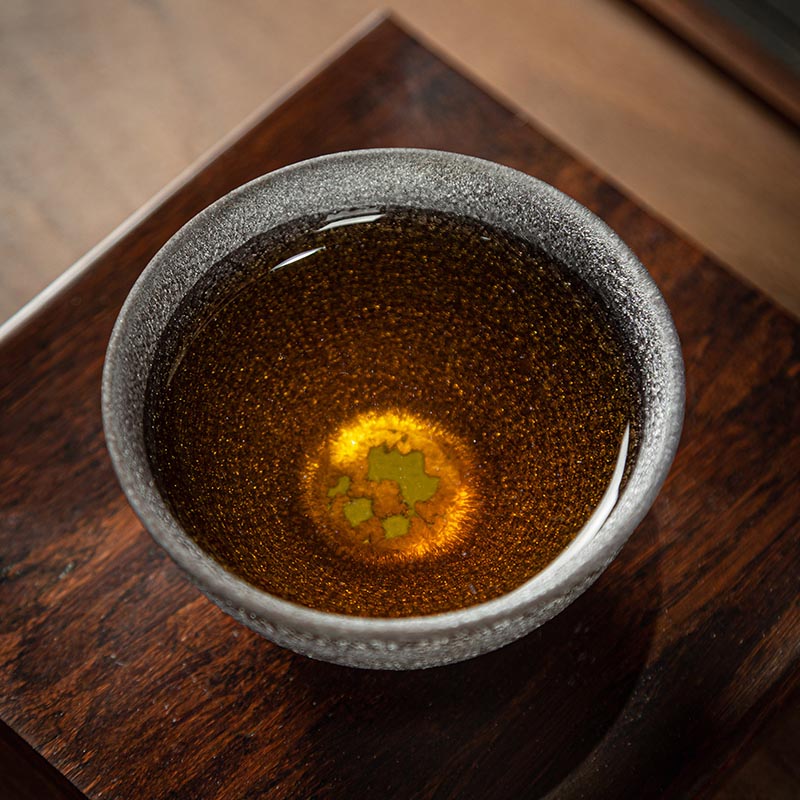
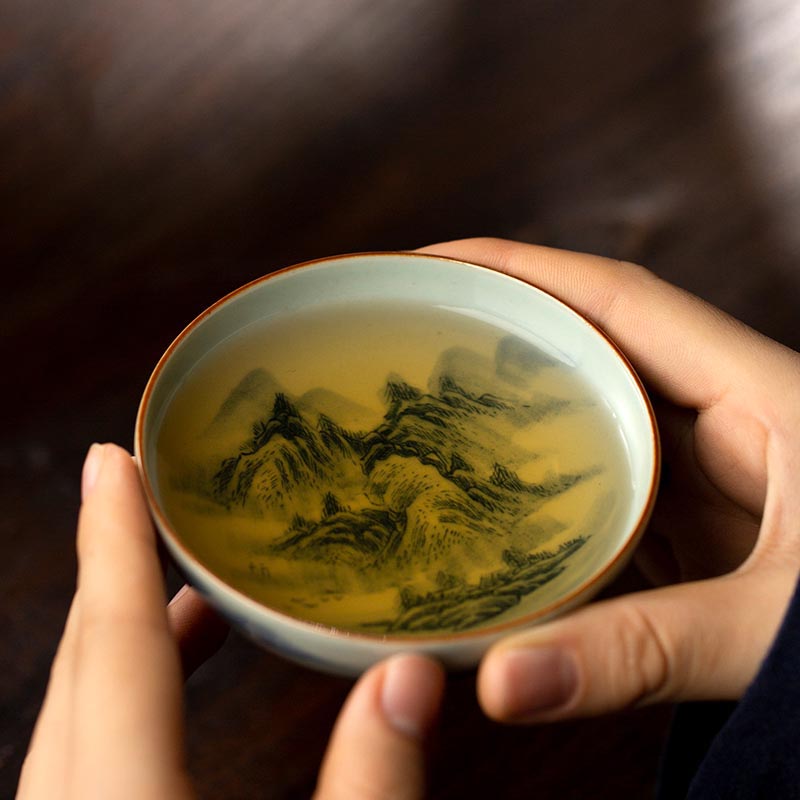
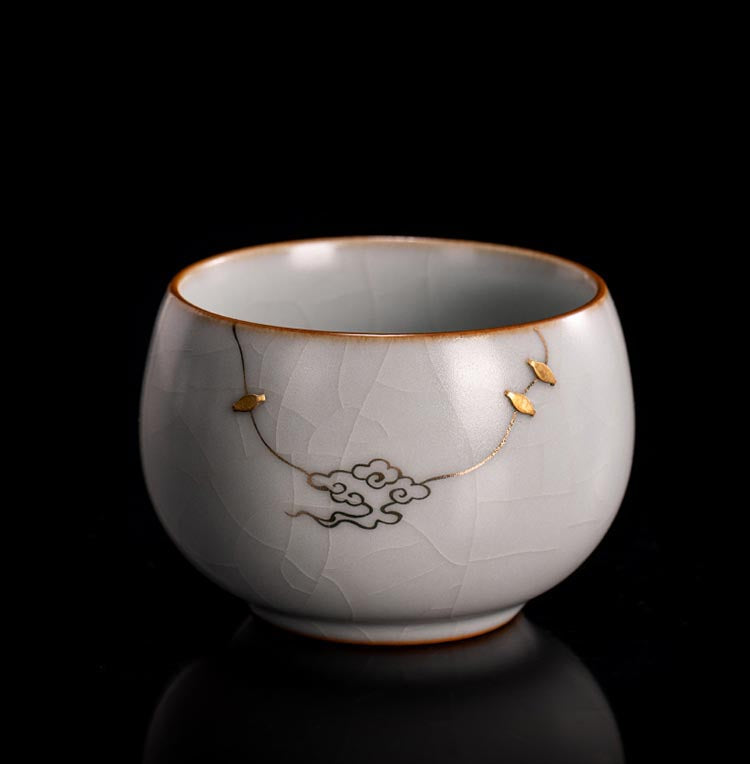
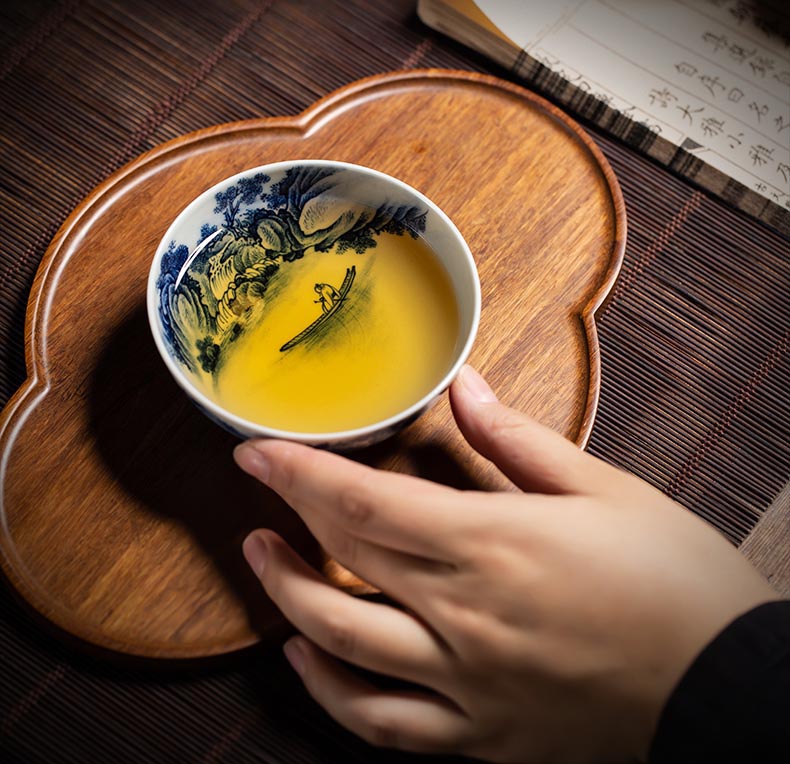
If we are talking about porcelain gongfu cups, Jingdezhen is still the place most serious drinkers look first. Not because everything from Jingdezhen is excellent, but because the best porcelain still tends to come from kilns there that understand proportion and glaze behavior at a very practical level. Some established Jingdezhen studios, including smaller workshop brands like Fangkong or studios working in traditional qingbai and ru-style glazes, produce cups with a clarity and thinness that feels right in the hand. The rim is slightly rounded, not sharp. When you lift the cup, it feels lighter than it looks. Under soft light, the glaze has a depth rather than a glassy glare.
What matters to me with those porcelain cups is the lip and the foot ring. A well-finished foot ring will sit flat on a tea tray without scratching it, and it will feel smooth if you turn the cup over between your fingers. The rim should disappear when you drink. If the porcelain is too thick, heat lingers awkwardly and the tea can feel muted. If it is too thin and badly fired, the cup feels brittle and overly hot in the hand. The better Jingdezhen workshops get this balance right. You notice it when you are three infusions into a high mountain oolong and the cup is still comfortable to hold, the aroma rising cleanly.
For ru-style and other single glaze cups, some contemporary kiln brands in Jingdezhen have built strong reputations for stable, well-controlled crackle and a glaze that does not craze unpredictably after a few months of use. A good ru-style cup will develop faint tea lines in the crackle over time, but it should not stain in blotches or feel chalky. The surface should feel silky when dry, almost like running your finger over a smooth river stone. I have used some mass-produced versions that look impressive at first glance but feel slightly gritty at the rim. Over a long session, that texture becomes distracting.
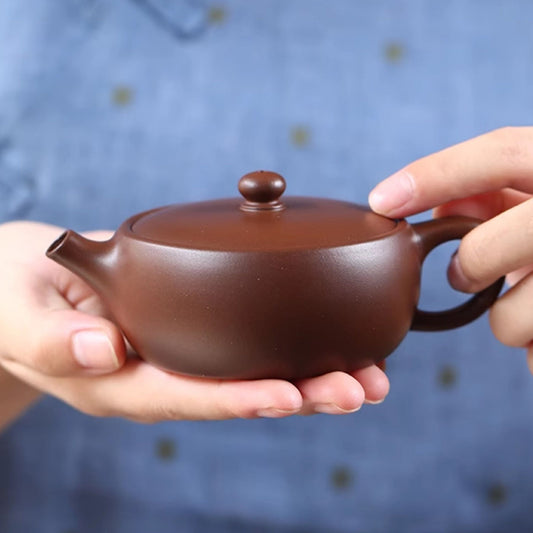
Yixing clay cups are a different matter. Historically, Factory 1 Yixing pieces set a benchmark, and older examples are still sought after, though often priced more for collectability than daily use. Today, there are licensed Yixing studios and individual potters whose cups are well made, with clay that feels dense and alive rather than sandy or overly porous. A good Yixing cup has a dry, fine texture. When you pour hot tea into it, the scent gathers differently than in porcelain. The clay absorbs a little over time. The surface becomes softer to the touch with repeated handling, especially around the rim where your lips meet it.
Brand names in Yixing matter more because clay quality varies so much. Reputable studios will specify the clay type, firing temperature, and sometimes even the clay source. Still, I pay more attention to the cup itself. Is the wall thickness even? Does the rim feel comfortable? Does it cool too quickly? In gongfu brewing, small changes in temperature retention can shift how long the tea stays expressive in the cup. A slightly thicker zisha cup can keep a roasted yancha warmer through a slower conversation. That is not marketing language. You feel it in your hand.
There are also Taiwanese brands and studio potters who produce excellent cups, especially in wood-fired or ash-glazed styles. Some of these are less widely known in the West but highly respected among tea drinkers who value subtle glaze variation. A wood-fired cup with natural ash deposits can look dramatic on a shelf, but what matters is whether the interior surface is smooth enough for aroma to rise cleanly. I have handled cups that are visually striking but trap scent in tiny glaze pits. After a few sessions with delicate green tea, that becomes noticeable.
One practical point that often gets overlooked is consistency within a set. Some established brands, particularly those supplying tea houses, maintain tight control over size and wall thickness. If you brew for three or four people, evenly sized cups matter. The liquor cools at the same pace. No one feels they were given the larger or smaller share. The small fairness of that detail shapes the rhythm of a session more than most people expect.
It is easy to be drawn to names that circulate on social media or in collector circles, and some deserve their reputation. But even among well regarded brands, there are different lines and quality tiers. I have seen cups from respected kilns that feel slightly rushed, the glaze pooled unevenly near the base, the foot ring not fully smoothed. Those pieces are not bad. They are simply not the ones I reach for when I want to pay attention to the tea itself.
In the end, the best brands are usually the ones whose work you can use without thinking about it. The cup sits lightly between thumb and forefinger. The rim meets the lip without effort. The glaze catches the light but does not demand it. After months of brewing, there is a faint softening to the surface, a familiarity in the way it warms. A strong brand can give you a good starting point, especially in places like Jingdezhen or Yixing. But the real test happens in your own hands, infusion after infusion, when the cup stops being an object to evaluate and becomes part of the sequence of pouring, lifting, and drinking.