A Lotus Tea Cup That Transforms the Way You Taste Tea at Home
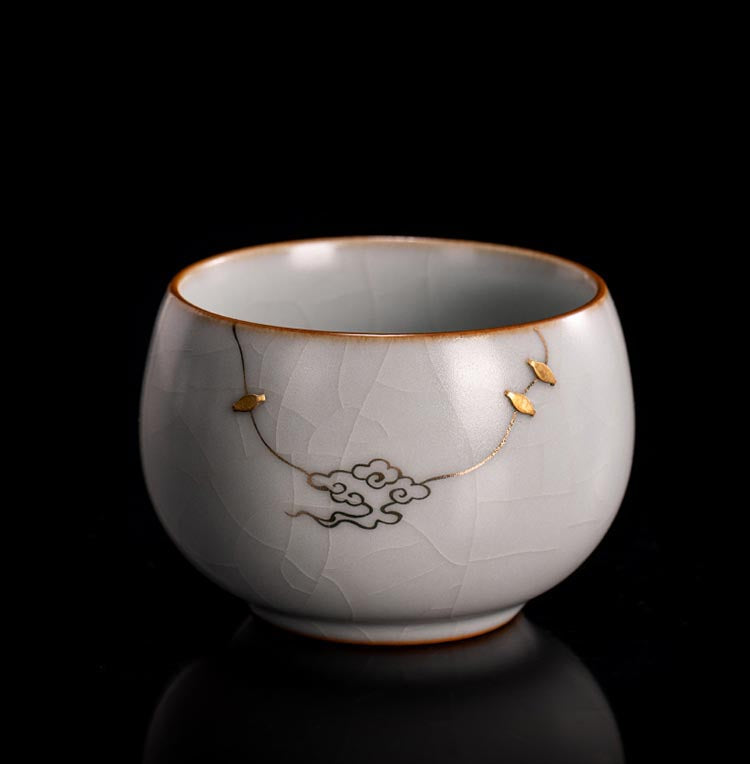
A lotus tea cup is easy to dismiss as decorative the first time you see one. The petals are usually carved or molded in soft relief around the body, sometimes gently flared at the rim, sometimes tucked in tight like a bud. On a shelf, it reads as a motif. In the hand, it becomes something else.
Most lotus cups I reach for are porcelain. Porcelain takes detail cleanly, so the lines of the petals feel crisp under the fingers. If the carving is shallow, you barely notice it while drinking. If it is deeper, your thumb settles naturally between two petals, and the cup turns slightly as you lift it. That small turn changes how the rim meets your lip. It is subtle, but when you brew gongfu style and lift the cup dozens of times in one session, you feel these small differences.
The shape matters more than the decoration. A well-made lotus cup is rarely thick. The walls are usually thin and evenly thrown, so heat moves through the porcelain quickly. With young sheng pu’er or a bright dancong, the first infusion can be hot enough that you instinctively roll the cup between your fingers before drinking. The petal texture helps here. It breaks up the smooth surface and gives your fingers a bit of insulation. You do not have to grip hard. You just cradle it lightly at the base of the petals.
The rim tells you whether the maker was paying attention. A good rim is slightly rounded and polished, not sharp, not heavy. When the lip is too thick, the cup feels clumsy and the tea hits your mouth in a broad sheet. When it is too thin, it can feel fragile, almost brittle, especially if the porcelain rings too sharply when you set it down. With a balanced rim, the tea flows in a narrow, controlled stream. You notice the texture of the liquor more clearly, especially with oolong where viscosity is part of the pleasure.
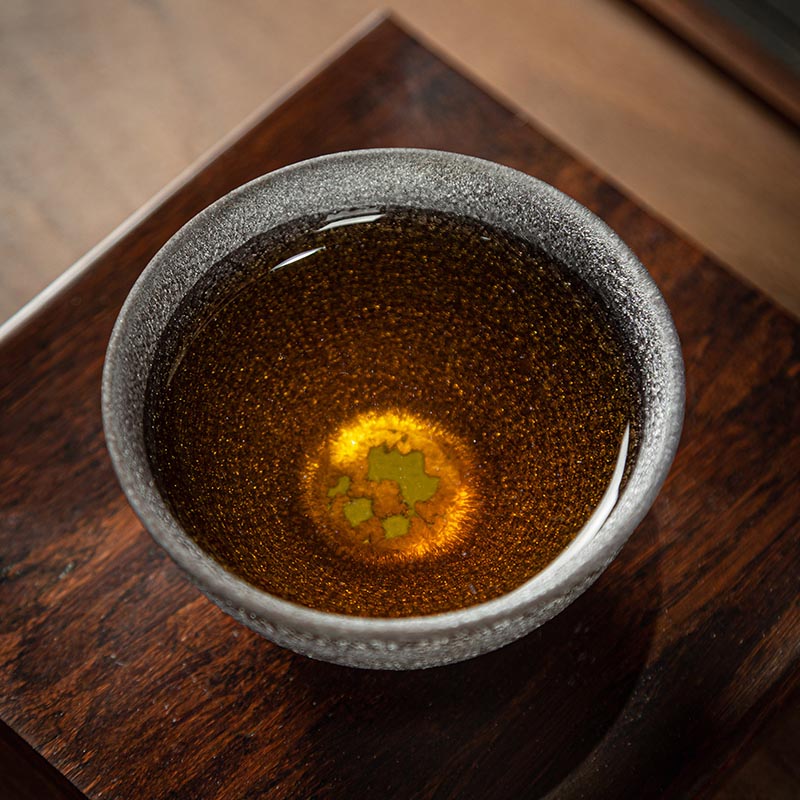
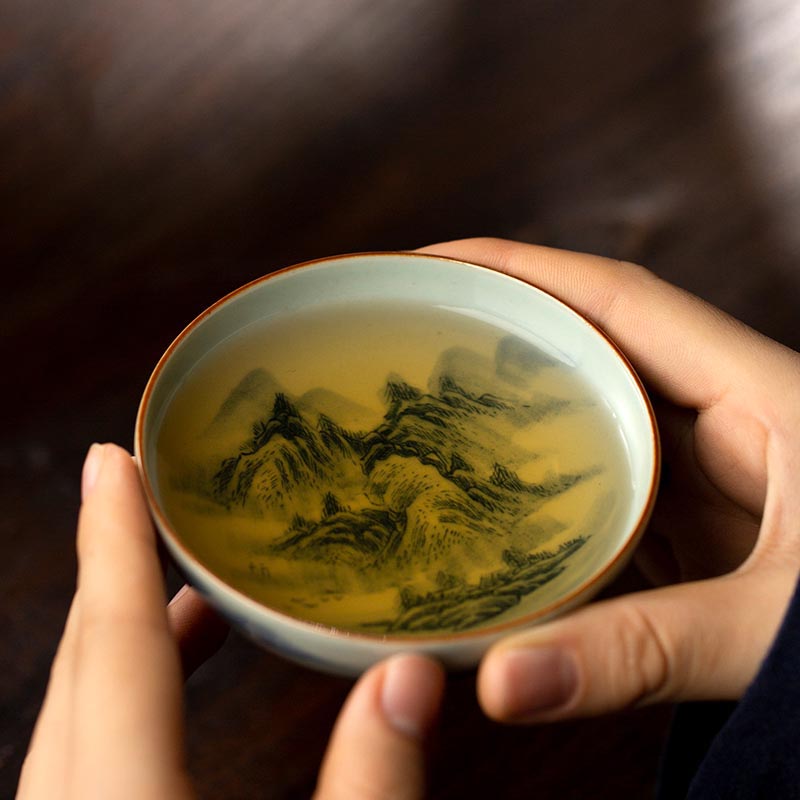
Glaze makes a difference that photographs never show. Some lotus cups are left white and glossy, almost luminous under soft light. Others have a faint celadon glaze that pools slightly at the base of each carved petal. In good celadon, the glaze gathers in those recessed lines and deepens by half a shade. When tea fills the cup, that pale green shifts again. Amber oolong against a cool green interior changes how you perceive the color of the liquor. It sounds abstract, but during a tasting, when you are comparing infusions side by side, the interior glaze can influence your first impression before you even sip.
There are also unglazed or partially glazed versions in fine clay. I use those less often for delicate teas because clay absorbs aroma over time. With roasted yancha or aged shou pu’er, though, a thin-walled clay lotus cup can soften the edge of the roast. The exterior stays dry and matte. After months of use, it takes on a faint sheen from handling. The high points of the petals polish first. That change comes not from polishing cloths but from fingers, from being lifted and set down repeatedly on a tea tray.
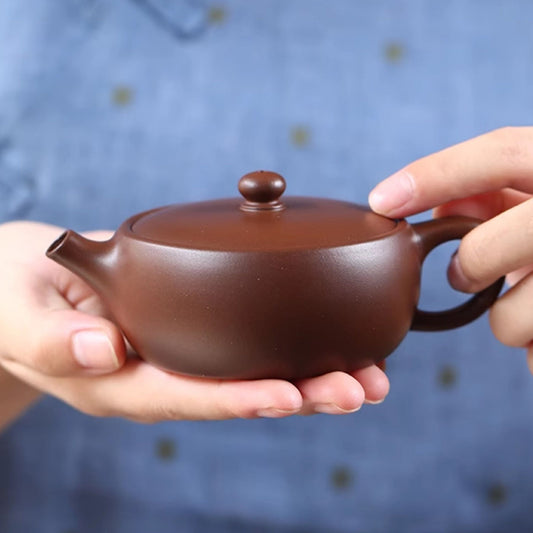
In a small gongfu setup, the lotus cup often sits beside a fairness pitcher and a teapot that are more visually assertive. A Yixing pot with a precise spout and fitted lid demands attention when you pour. You watch the stream, you listen for the lid to settle back into place. The cup waits. Its role is quieter. But when you pick it up, the entire session narrows to that one gesture.
Capacity is usually modest, often 40 to 60 milliliters. That size keeps the tea moving. You pour, drink, and pour again before the liquor cools too much. A slightly flared lotus rim cools tea faster than a straight-sided cup. If the petals open outward, the surface area increases. This can be useful with high-aroma oolongs, where you want to catch the fragrance as it rises. You bring the cup close, inhale briefly, then sip. If the rim curves inward like a bud, the aroma collects differently. The scent feels more contained.
Cleaning a lotus cup is simple, but the carved petals require attention. After a long session with heavily oxidized tea, a faint line of tea stain can gather where glaze pools at the base of each petal. It is not a flaw. Over time, many drinkers accept that faint shadow as part of use. If you prefer to keep the porcelain bright, a gentle rinse and occasional soak in hot water is enough. I avoid harsh scrubbing. Fine carving can dull if you treat it carelessly.
There is a difference between a lotus cup made quickly from a mold and one that has been refined after shaping. In mass-produced versions, the petals can look slightly stiff, evenly spaced without variation. The foot ring may be roughly trimmed, the base not perfectly flat. When you set it on a tea tray, it might wobble just enough to notice. In a more carefully made cup, the petals have a softness to their edges. The foot ring is cleanly cut, slightly raised, and sanded smooth. When you place it down, it lands with a quiet, centered sound.
During a tea gathering, people often comment on the teapot first. Later, when the conversation settles and the infusions become steady, someone will rotate the cup slowly in their hand and trace the petal lines with a fingertip. Not to admire the lotus as a symbol, but to feel the repetition in the carving. There is something steady about it. The repetition of petals echoes the repetition of pouring and drinking.
Over time, you learn which teas you like best in which cup. A thin white porcelain lotus cup can sharpen the high notes of a green tea. A celadon one can soften the glare of strong light during an afternoon session. A clay version can take on the scent of roasted tea and feel warmer against the skin in winter. None of these differences are dramatic. They are incremental. But gongfu brewing is built on increments.
I keep a few lotus cups in regular rotation. Some are nearly identical in size but feel different because of wall thickness or glaze. When I arrange them on the tray before the first infusion, I notice their slight variations in height and how the petals catch the light. Then the kettle begins to steam, the leaves go into the pot, and the cups return to their simple function. They hold the tea. They warm in the hand. The carved petals give the fingers somewhere to rest. That is enough.