Using a Blue Willow China Tea Set for Gongfu Brewing: Pros and Limits
A blue willow china tea set usually enters the room already carrying a story. The pattern is busy, almost crowded, with its bridge, pagoda, willow tree, and the two small figures crossing toward each other. Most people in the West recognize it immediately, even if they do not know the name. It feels familiar in a way that Yixing clay or a thin white gaiwan often does not.
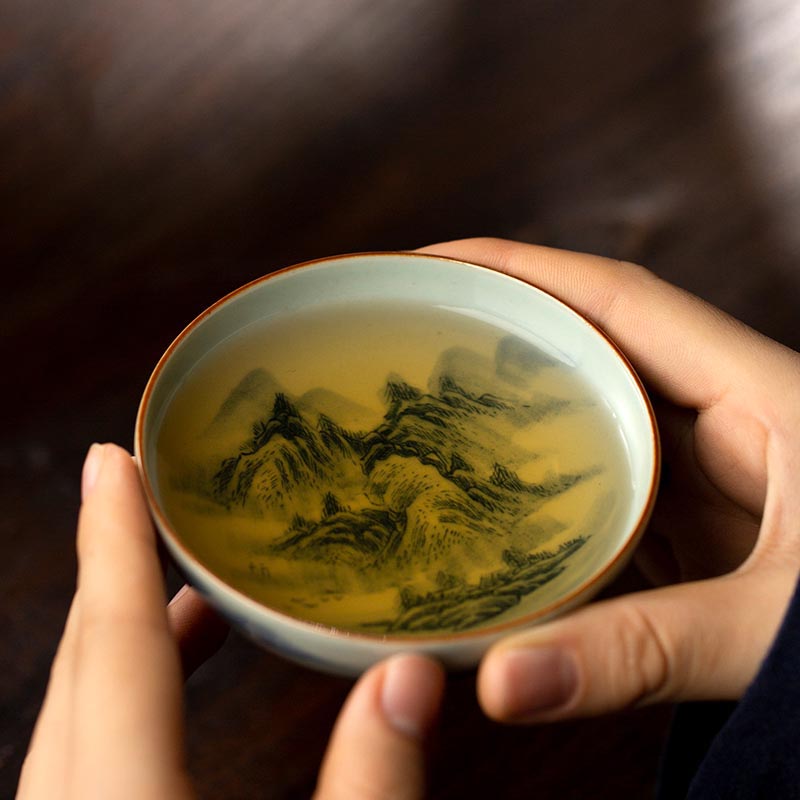
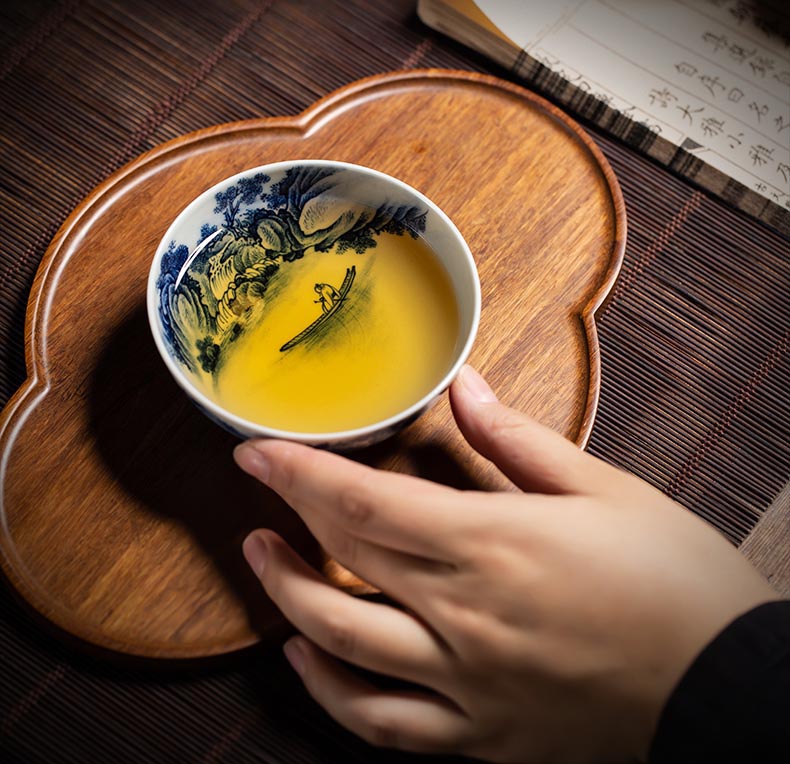
When I see blue willow porcelain on a tea table, I notice first how different its presence is from the plain, undecorated porcelain that is often used for gongfu brewing. Traditional Chinese tasting sets tend to favor clarity. A white or celadon cup lets you see the color of the liquor without distraction. Blue willow, with its deep cobalt transfer pattern, competes with the tea visually. If you are brewing a pale green Longjing or a high mountain oolong, the liquor can disappear against the blue and white. You learn quickly to tilt the cup toward the light, to look from above rather than from the side.
That said, the porcelain itself behaves in a very familiar way. Most blue willow sets are made from relatively thin, high fired porcelain. The walls heat quickly and cool at a moderate pace. When you pour boiling water into the pot, you can feel the warmth spread through the body within seconds. The lid settles with a soft porcelain click, a slightly hollow sound that tells you it is fully seated. If the fit is good, you feel a small resistance when you twist the lid gently into place. If the fit is poor, steam escapes unevenly and the lid rattles during the pour.
The spout tells you a lot. Many blue willow teapots were designed originally with black tea in mind, often brewed Western style with longer steeps and larger volumes. The spout opening is usually wider than that of a small Yixing gongfu pot. When you tilt the pot, the stream can be generous, sometimes too generous for precise, short infusions. If you try to use such a pot for gongfu brewing with rolled oolong, you have to adjust your rhythm. The pour may be slightly slower to cut cleanly at the end, otherwise a few lingering drops cling to the lip and fall after you have set the pot down.
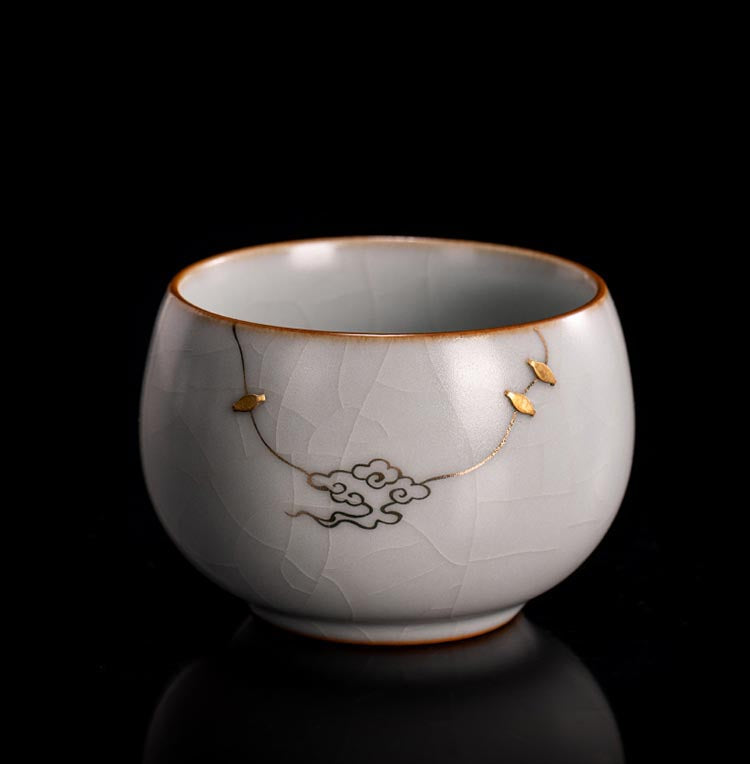
In a more traditional gongfu setup, you might pair a small blue willow pot with a fairness pitcher and plain tasting cups. The fairness pitcher becomes useful here, not only to equalize the infusion but also to let you actually see the tea’s color without the distraction of pattern. The blue willow cups then become more about the feeling in the hand. Porcelain of this type often has a smooth, almost glassy glaze. When warmed, it feels silky and firm. There is no texture to absorb oils or darken over time, unlike unglazed clay. After years of use, it looks almost the same, aside from faint tea stains along the inner curve where the liquor rests.
The pattern itself changes how you handle the cup. With plain white porcelain, your eye goes straight to the surface of the tea. With blue willow, your gaze sometimes wanders to the scene printed on the outer wall. During a quiet session, I have found myself tracing the outline of the bridge with my thumb while waiting for the next infusion. It becomes part of the pacing. Not symbolic, just something to rest your attention on while the leaves open.
There is also the question of scale. Many antique or reproduction blue willow sets are larger than what most Chinese tea drinkers would use for everyday gongfu practice. The pot may hold 600 or 800 milliliters. The cups may be wide and deep. Used in a Western style, with a tablespoon of broken black tea and a four minute steep, they make sense. Used with high grade loose leaf that rewards multiple short infusions, they can feel oversized and slightly inefficient. You end up drinking more tea at once, paying less attention to the shifting flavor between steeps.
Cleaning is straightforward. Glazed porcelain does not retain aroma. After brewing a heavily roasted Wuyi yancha, a quick rinse with hot water and a soft cloth is usually enough. Over time, the inside of the pot may develop a faint tan film if you never scrub it, but it does not change the flavor in the way seasoned Yixing clay can. Some people prefer that neutrality. You can move from shou puer to jasmine green tea without worrying about ghosts of the previous session.
What I appreciate most about a blue willow tea set in a Chinese tea context is not authenticity in the narrow sense. The pattern itself was created for export and has a complicated history between China and the West. Instead, I appreciate how it shows that porcelain was always adaptable. The same material that produced spare white tasting cups also produced heavily decorated wares for different markets. In the hand, both are still porcelain. Both conduct heat cleanly. Both ring lightly when tapped.
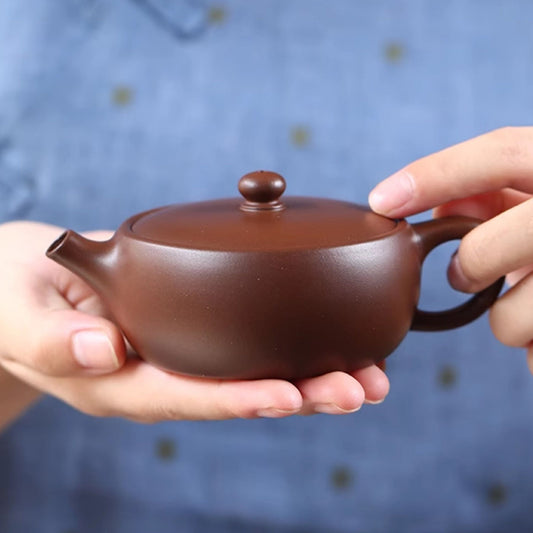
If you place a blue willow pot next to a small handmade Yixing teapot, the contrast is obvious. One is cool, glazed, visually busy. The other is matte, warm toned, and understated. Yet when you begin to brew, both demand the same basic attention. Is the lid seated well. Does the pour run straight. Are the leaves given enough room to expand. Does the cup feel balanced when lifted.
After a few sessions, the pattern fades into the background and what remains is function. The weight of the pot when full. The angle at which the last stream of tea leaves the spout. The way the cup warms your fingers on a cold morning. In the end, those are the details that decide whether a tea set stays on the shelf or keeps returning to the tray.