The Reason Blue and White Chinese Tea Sets Show Tea So Clearly
A blue and white Chinese tea set looks straightforward at first. White porcelain, painted cobalt, clear glaze. Most people recognize the color combination immediately, even if they do not know much about tea. What makes it interesting is not the color itself, but how that porcelain behaves once hot water and leaves enter the picture.
Porcelain is different from Yixing clay in temperament. It does not absorb, it does not soften flavors, it does not change much over time. When I brew a fragrant oolong or a high mountain green tea, I often reach for a blue and white gaiwan or small teapot because I want nothing between the leaf and the water. Porcelain stays neutral. It shows you the tea plainly. If the tea is thin, you will taste it. If it is layered and aromatic, porcelain does not interfere.
The white interior matters more than people expect. When you open the lid of a gaiwan after the first infusion, steam lifts and you can see the leaves clearly against that bright surface. You notice how fully they have opened, how evenly they are unfurling, whether the roast on an oolong is deep or light. It turns the brewing process into something visible and practical. With darker clay, you rely more on smell and memory. With porcelain, you also read the leaves directly.
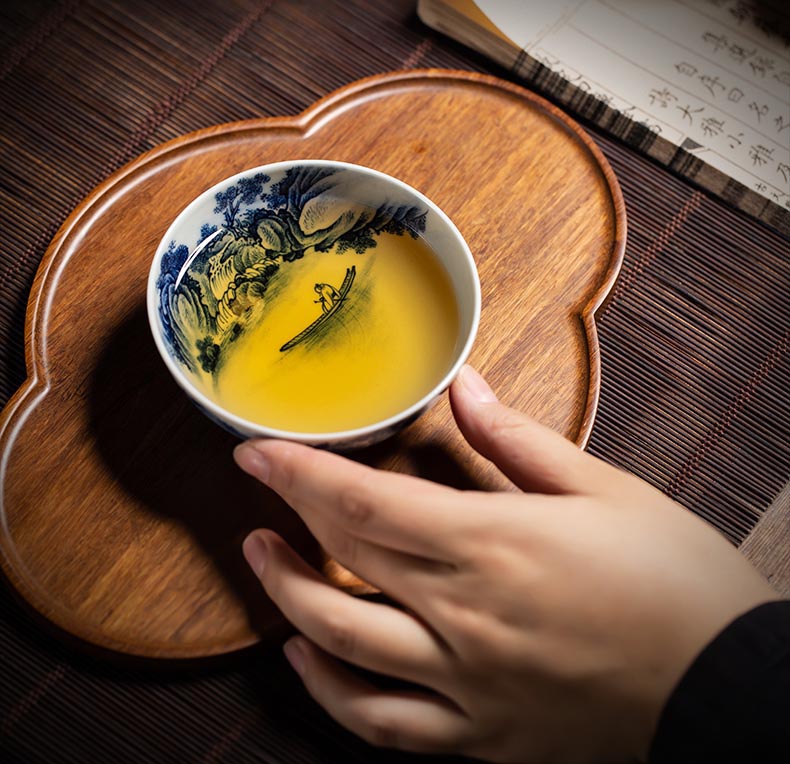
Blue and white decoration tends to sit on the outside, sometimes along the rim, sometimes wrapping the body in landscape scenes, flowers, or simple repeating motifs. On a well-made piece, the painting feels integrated with the form. The cobalt lines follow the curve of the pot. They thin out where the porcelain narrows. If the brushwork is stiff or too heavy, the piece feels decorative in a separate way, as if the shape and the painting were decided by different hands.
In use, small details begin to matter more than the pattern. The lid fit, for example. On a good gaiwan, the lid settles with a faint, dry click. Not loose, not grinding. When you tilt it to pour, the lid should hold back the leaves without forcing your fingers into an awkward grip. The rim cannot be too thick, or it presses into the skin when the porcelain is hot. It cannot be too thin, or it chips easily. After a few sessions, you know whether it was shaped by someone who understands tea or just by someone who knows how to cast porcelain.
A blue and white teapot for gongfu brewing should pour in a clean, continuous stream. Porcelain allows for very precise spouts because it can be cast thin and refined. When the spout and handle align properly, the pot empties without dribbling down the front. You notice this immediately during fast infusions, when timing matters. If the stream breaks or clings to the lip, it slows you down. In repeated brewing, small frustrations add up.
The glaze changes the feeling in the hand. Good porcelain glaze has a soft gloss, not a plastic shine. Under afternoon light, it reflects gently. After years of use, the surface may develop faint tea stains inside the pot or cup, especially if you brew darker teas. Porcelain does not absorb flavor, but it does show history. The inside of a frequently used cup can shift from bright white to a warm ivory tint. Some people scrub this away. Others let it remain, not as symbolism, just as evidence of use.
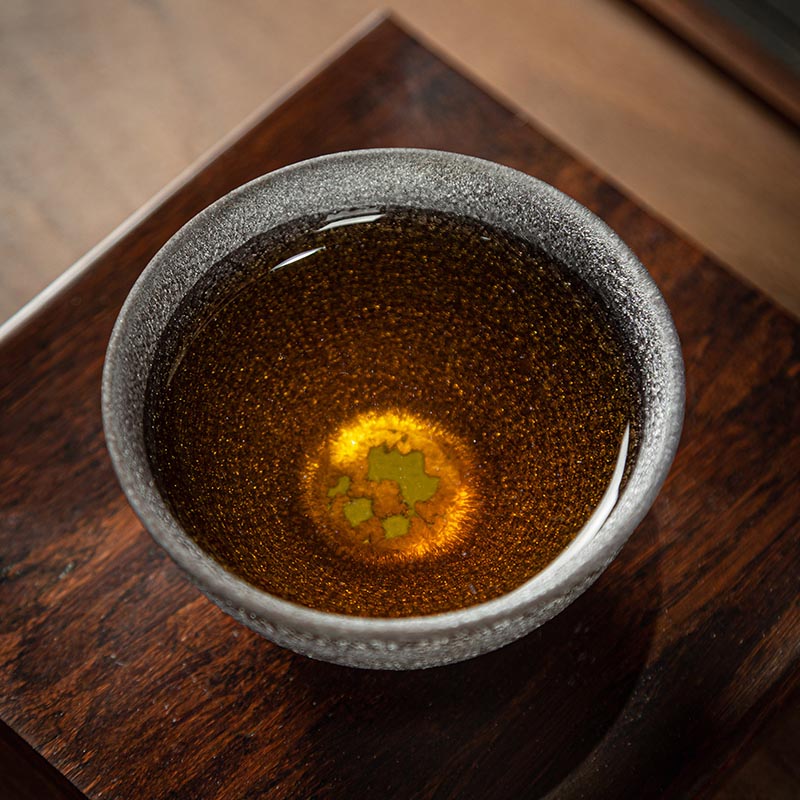
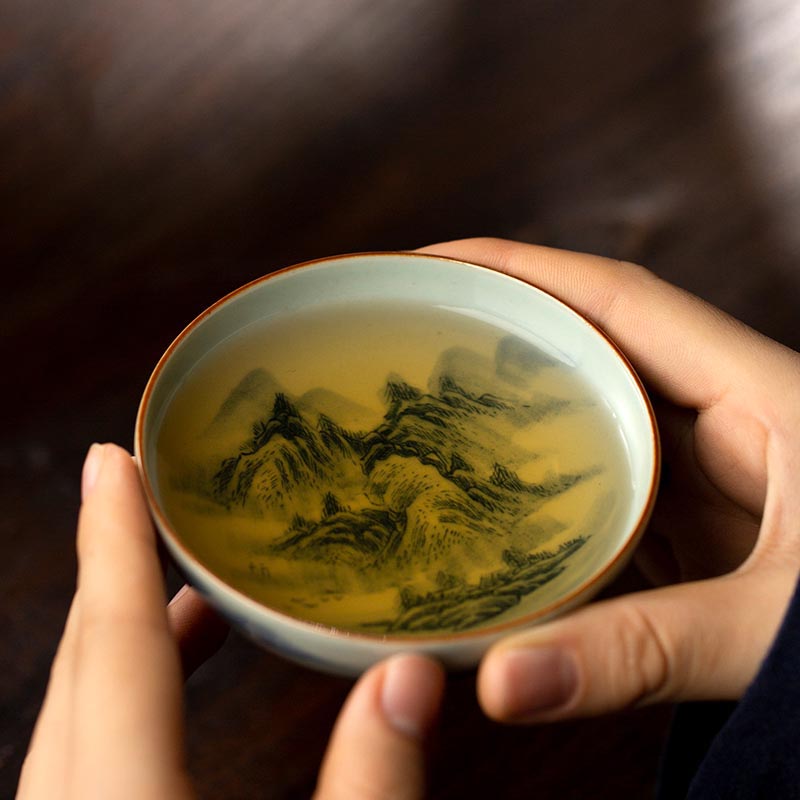
Blue and white cups are especially satisfying in tasting sessions. The thin walls cool the liquor slightly as you hold them, making it easier to sip repeatedly. When you tilt the cup, the tea’s color stands out clearly against the white. Pale green for young sheng puer, amber for roasted oolong, deeper orange for black tea. If you are comparing teas side by side, porcelain is honest. It does not disguise flaws.
There is also a social side to these sets. A fairness pitcher in matching blue and white porcelain sits between brewer and guests, catching the tea before it is divided. The shape is usually simple, with a clean lip for controlled pouring. When everyone’s cup fills from the same pitcher, the liquor is consistent. No one gets the stronger last pour. The white porcelain makes it easy to judge clarity and strength before serving.
I have seen blue and white sets that are clearly made to sit in a cabinet. Heavy lids, oversized cups, elaborate painting that wraps every available surface. They can be impressive, but once you try to brew with them, the weight feels wrong. The pot may retain too much heat for delicate tea, or the handle may be decorative rather than comfortable. A tea set that works earns small scratches on the tray, faint tea marks inside the cups, a rhythm in how it is arranged and rearranged.
Cleaning porcelain is uncomplicated. It does not demand the same care as unglazed clay. You can rinse it thoroughly, let it air dry, even use a mild detergent if needed. That practicality makes it easy to bring out often. I know people who reserve their Yixing pots for specific teas but use blue and white porcelain daily because it asks less and gives clarity in return.
Over time, the decoration becomes secondary. What stays with you is how the gaiwan feels when you lift it, how smoothly the tea arcs from spout to pitcher, how the white interior frames the leaves at the bottom after the final infusion. The blue pattern is still there, of course, catching light, offering something for the eye to rest on between pours. But the real value shows up in the quiet sequence of rinse, steep, pour, and pass the cups.