The Ideal Pour and Feel of a China Teapot for Gongfu Brewing
A china teapot set makes the most sense when it is laid out and filled with hot water. On a shelf it can look delicate or decorative, but once you rinse the pot, warm the cups, and measure out the leaves, the proportions start to explain themselves.
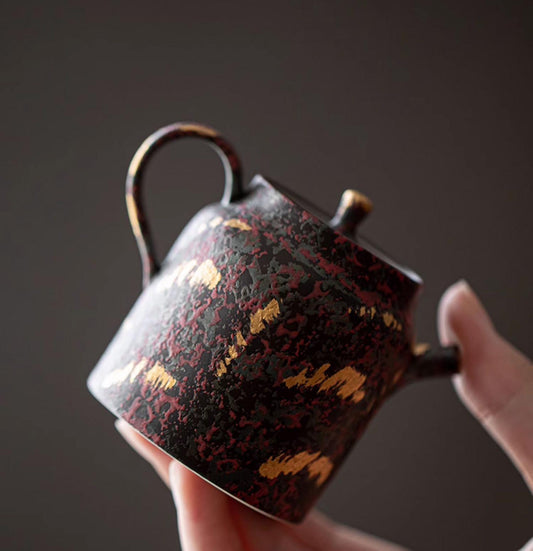
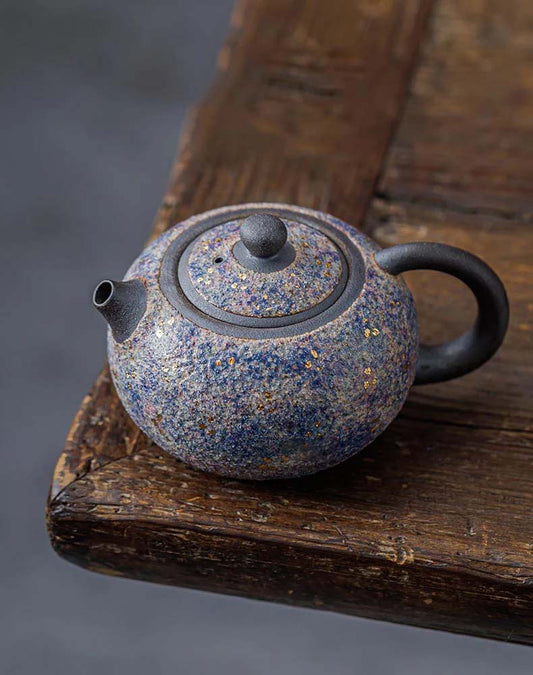
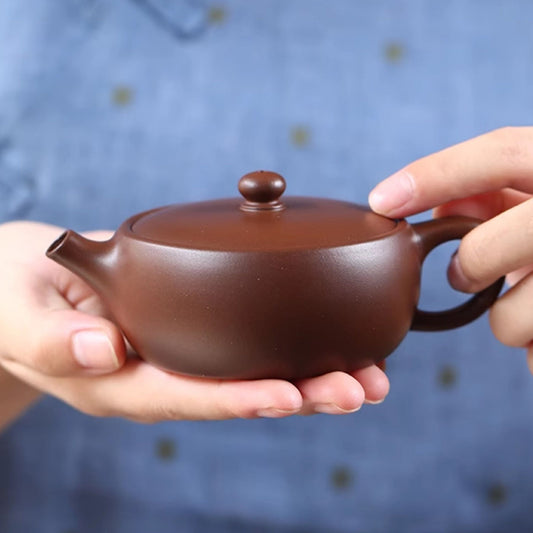
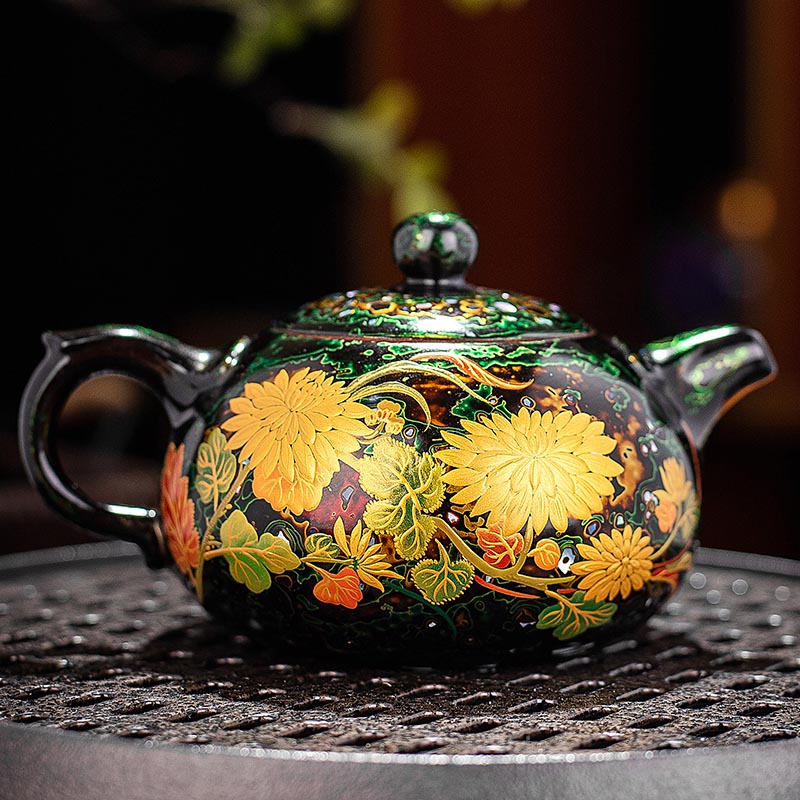
In a traditional gongfu setup, the teapot is small, often no larger than your fist. That surprises people who are used to Western teapots meant to serve a table all at once. Here the size is deliberate. A smaller volume allows you to use more leaf relative to water and brew in short infusions. The pot is not meant to hold tea for long. It is meant to coax it out, quickly and repeatedly.
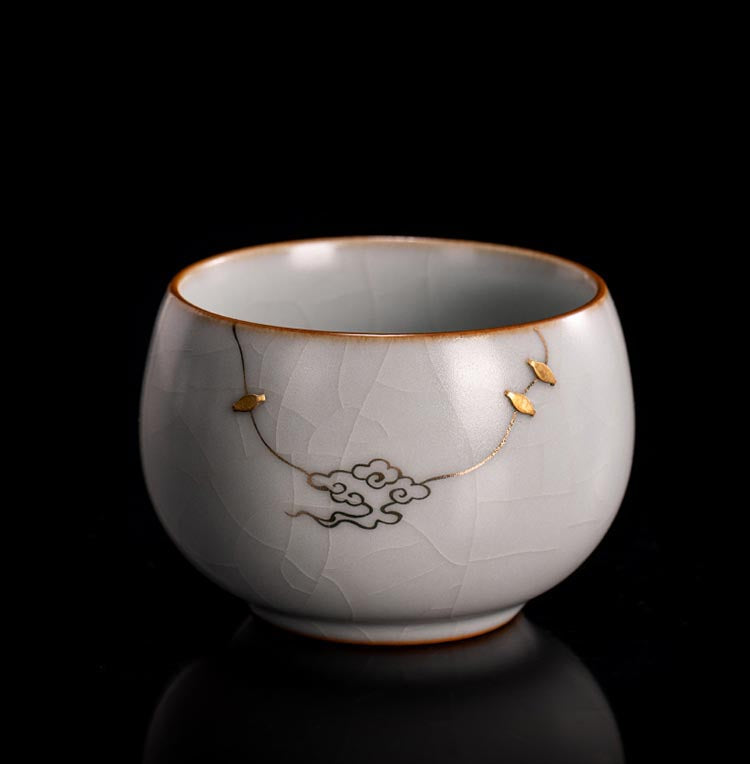
If the set is porcelain, the first thing I notice is the glaze. A good porcelain pot has a quiet sheen, not glassy and not dull. Under soft light the surface almost holds the light rather than reflecting it sharply. When you tap the lid gently against the rim, there is a clear, bright sound. The lid should settle into place with a slight, reassuring resistance. Not tight, not loose. When you tilt the pot and place a finger over the air hole, the flow from the spout should stop cleanly. That simple test tells you a lot about how well the spout and body were aligned.
Pouring matters more than ornament. A well-made spout pours in a steady, centered stream without dribbling down the chin. When you finish the pour and bring the pot upright, the last drop should draw back instead of clinging stubbornly to the tip. During a fast gongfu session, that control keeps your infusions even. You are not fighting the pot. You are just moving through water and leaves.
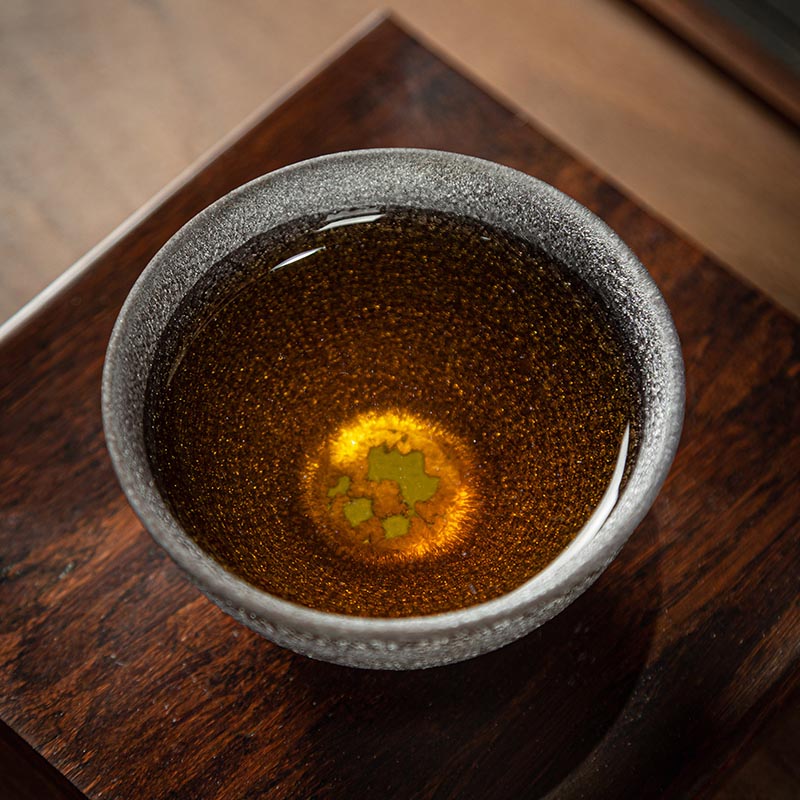
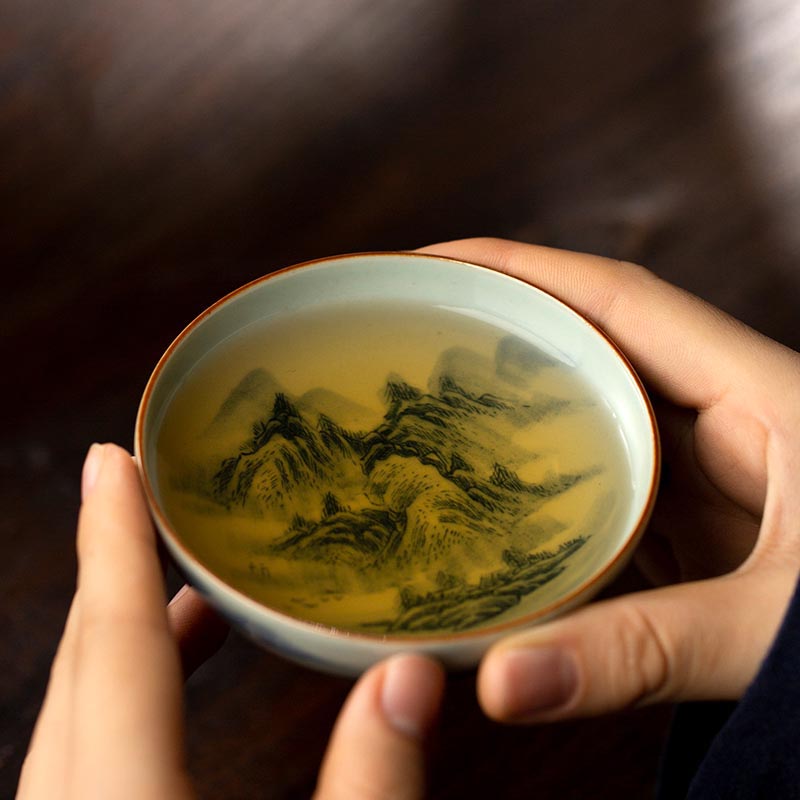
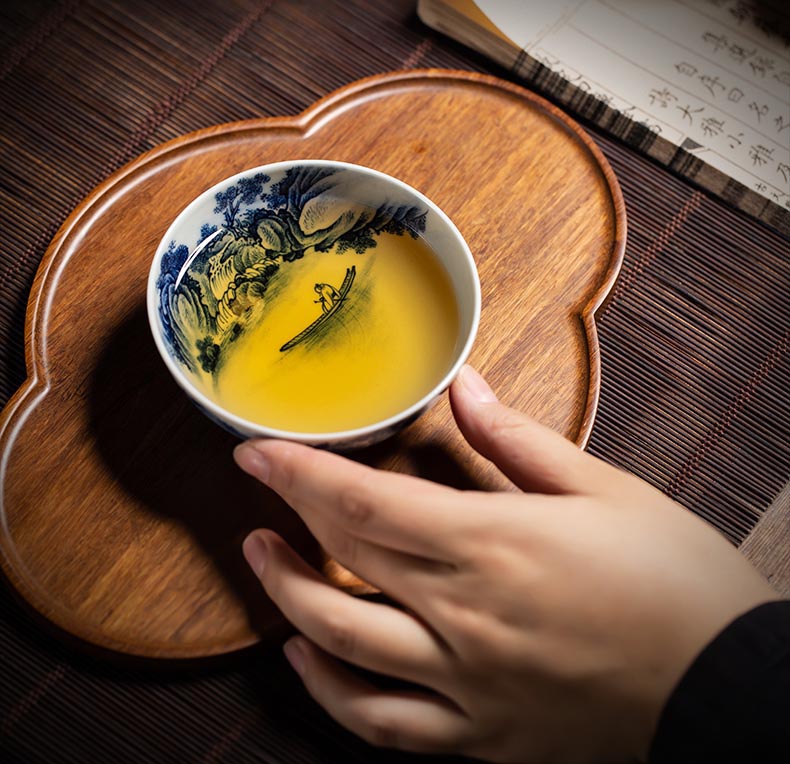
The cups in a china teapot set are usually small and thin. Thin walls cool the tea quickly enough to drink but still hold warmth for a few breaths. When you lift a porcelain cup filled with fresh oolong, you feel the heat through your fingertips. The rim should be smooth, almost disappearing at the lips. If the foot ring is trimmed cleanly, it sits flat on the tray without scraping. These are small details, but you notice them when you use the set every day.
Clay sets are different. A Yixing-style teapot, unglazed and matte, feels dry in the hand even when warm. The surface has a fine texture, almost like very smooth river stone. Over time, repeated handling and tea oils soften the look of the clay. It develops a low sheen, not from polish but from use. You begin to recognize the pot by touch before you even see it.
Clay changes brewing in a subtle way. The walls are often a bit thicker than porcelain, holding heat more steadily. With roasted oolongs or aged pu-erh, that retained warmth supports deeper extraction in short infusions. The lid fit on a good clay pot can be surprisingly precise. When you rotate it gently, it glides rather than rattles. During pouring, the weight distribution becomes clear. Some pots feel slightly handle-heavy, others more balanced toward the body. The best ones tilt forward naturally without strain in the wrist.
A complete china teapot set often includes a fairness pitcher, or gongdao bei. This piece is less romantic but extremely practical. After each infusion, you pour the tea from the pot into the pitcher, then into the cups. That way everyone receives tea of the same strength. In porcelain, the pitcher’s transparency can be helpful. You can see the color of the liquor clearly before it reaches the cups. In glass, even more so. In clay, you rely more on experience and timing.
Then there is the tray, sometimes overlooked when people shop for a set. A proper tea tray catches overflow and rinse water. In a gongfu session, you rinse the pot, the cups, sometimes even the leaves for a brief awakening infusion. Water goes everywhere. A tray with a removable grate makes cleanup straightforward. Without it, the table becomes part of the ritual whether you intended it or not.
Living with a china teapot set also means accepting fragility. Porcelain chips. Lids crack if knocked against the sink. Thin cup rims do not forgive clumsy stacking. Clay, though sturdier in some ways, can fracture with sudden temperature change. You learn small habits. Warm the pot before adding boiling water. Set the lid upside down on a soft cloth instead of the bare table. Empty the leaves promptly so they do not sour inside the pot overnight.
Over time, certain pieces in a set become favorites. Maybe one cup feels better in your hand. Maybe the pot pours just a bit cleaner than others you have tried. Stains form inside porcelain cups from darker teas. Some people scrub them away. Others let the faint amber tint remain. In unglazed clay, the interior darkens gradually. It is not dramatic. It is simply evidence of repetition.
What I appreciate most about a well-made china teapot set is that it rewards attention without demanding ceremony. If you rush, it still works. If you slow down, you notice more. The angle of the spout, the warmth collecting in the lid knob, the way the last drops fall into the fairness pitcher. None of it is symbolic on its own. But together, these small physical realities shape how you experience the tea.
After enough sessions, the set stops feeling like a matched collection of objects and starts to feel like a single tool with several parts. You arrange the cups without thinking. You know exactly how far to tilt the pot. The lid makes its familiar soft click as it settles. The tea changes from infusion to infusion, and the set quietly keeps up.