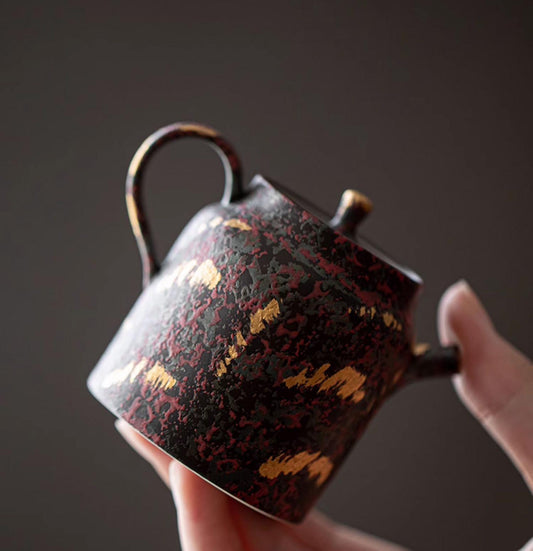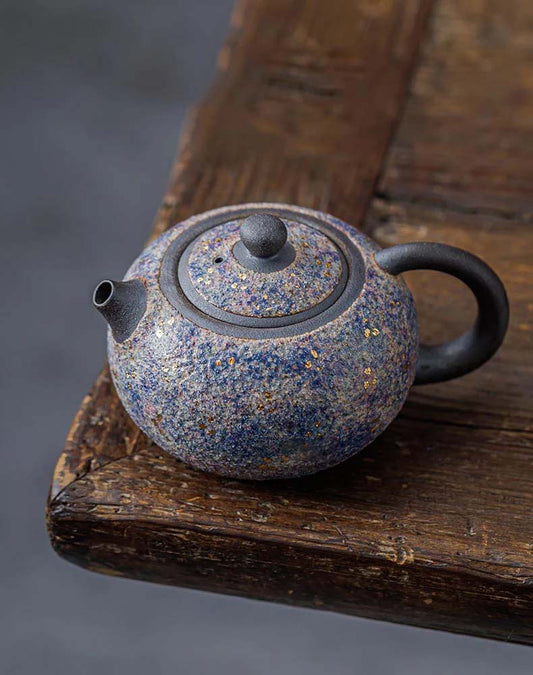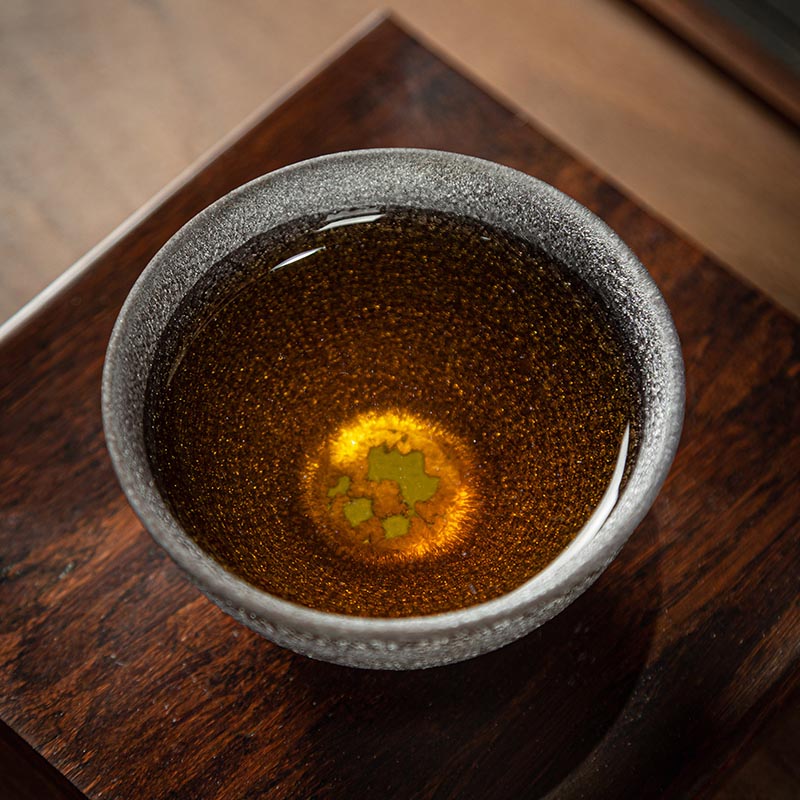
The Design of Custom Handmade Teapots for Tea and Perfect Fit
When people talk about custom handmade teapots, they often imagine elaborate decoration or a signature carved into the base. In practice, the most meaningful custom work usually has less to do with ornament and more to do with proportion, clay, and how the pot behaves in the hand.
The small studios and individual potters who take on custom commissions tend to begin with questions that sound simple. What tea do you drink most? How many people do you usually serve? Do you brew in short gongfu infusions or longer steeps? Those questions determine almost everything that follows. A pot meant for yancha brewed in quick, concentrated rounds will not be shaped the same as one intended for sheng puerh that needs a bit more room to open.
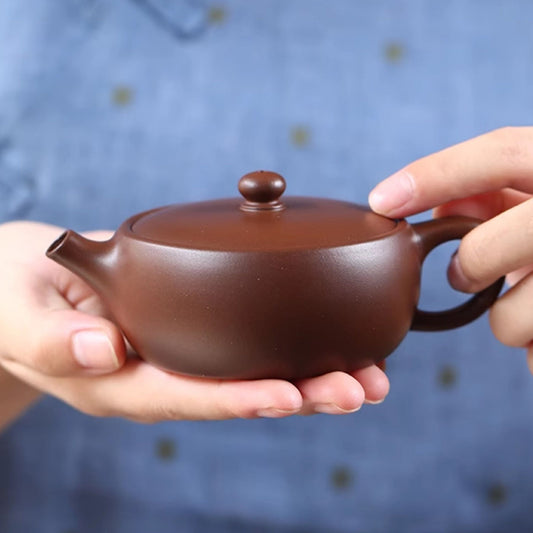
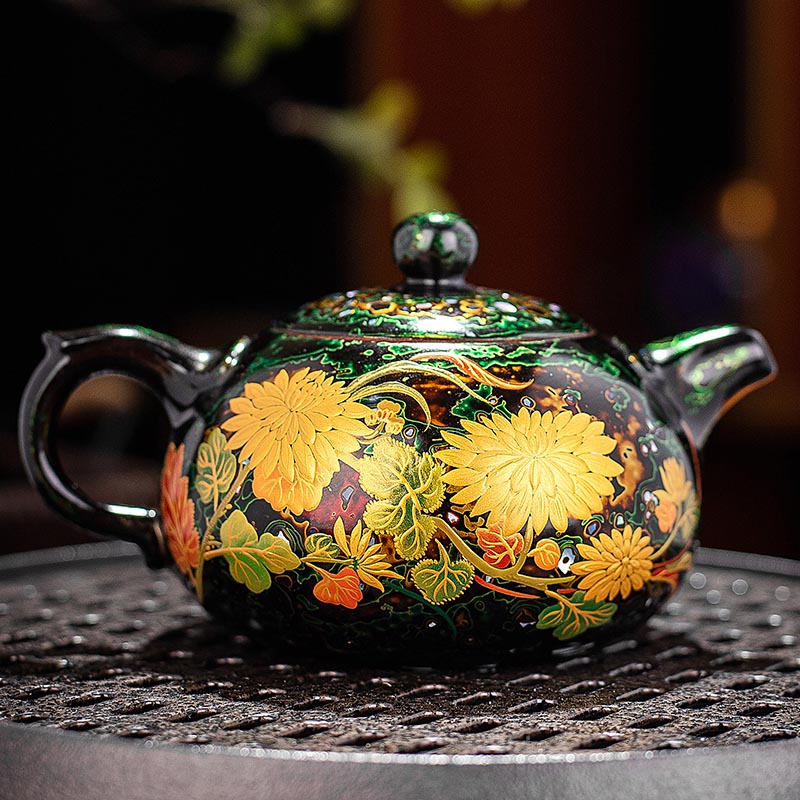
With Yixing clay in particular, custom work can be very specific. Different clays fire to different densities and textures. A slightly sandier zisha body feels dry in the hand, almost matte, and grips the fingers when you tilt it. A smoother duanni can feel softer, and over time it develops a quiet sheen where your thumb rests on the lid knob. A person commissioning a pot may already know the clay they prefer because they have felt how it handles heat or how it seems to round out bitterness in certain teas. The potter listens, but they also adjust. Clay shrinks in the kiln. Wall thickness affects heat retention. The spout has to be pulled and trimmed so that the pour is clean and uninterrupted.
You learn quickly that “custom” does not mean unlimited freedom. A good maker will steer you away from shapes that look dramatic on paper but would pour poorly. The alignment of the spout and handle is not decorative. If the spout sits even a few degrees off, the stream will arc to one side. If the handle is too small, your fingers will crowd against the hot body. In a gongfu session where you pour every twenty seconds, that small discomfort becomes obvious.
I have handled a few commissioned pots where the lid fit was so precise you could turn the pot upside down with the lid in place and it would not fall. That kind of tight fit is impressive, but what matters more is how it performs during brewing. When you cover the steam hole with a finger and tilt, does the stream stop cleanly? Does the lid chatter when the water rolls inside, or does it settle with a soft, controlled vibration? These are things the maker tests repeatedly. A custom pot should not just look balanced on a shelf. It should feel stable at the exact angle where the last drops leave the spout.
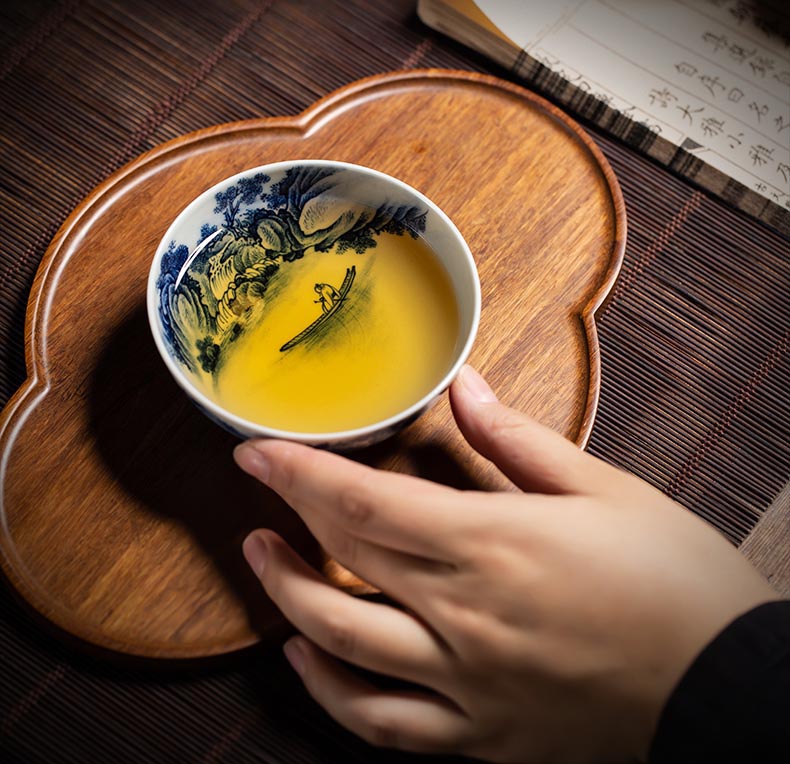
Porcelain custom work is different. It shows every line. There is no forgiving matte surface. The glaze will pool at the shoulder, thin along the rim, and reveal any hesitation in trimming. When someone commissions a porcelain teapot for green tea or high mountain oolong, they are often asking for clarity. Thin walls to keep the brew lively. A spout that releases quickly so the leaves are not sitting in water longer than intended. The lid flange must be clean and even, or you will feel a faint grit each time you turn it. Over months of use, your fingers memorize that edge.
The businesses that survive in this niche tend to be small because the work is slow. Throwing or slab building the body is only the beginning. The spout is attached and pierced by hand. The handle is pulled, allowed to firm up slightly, then joined and reinforced. Each connection is a potential weak point in the kiln. A custom order adds another layer of attention. The maker may adjust the internal filter holes to suit broken leaf versus whole leaf tea. They may widen the mouth slightly if the client dislikes wrestling swollen leaves out during cleanup.
Cleanup is rarely discussed in romantic terms, but it shapes design. A narrow mouth looks elegant, yet if you brew twisted oolong daily, you will eventually curse the tight opening as you try to coax damp leaves out with your fingers. Some custom pots are designed with a subtly wider collar for exactly this reason. Others include a gentle inward curve that guides leaves toward the spout during pouring, reducing clogging. These are small adjustments that do not show up in photographs.
Commissioning a pot also changes the way you use it. When you have waited months for a piece, you notice the first pour carefully. The initial heat of boiling water against new clay has a particular smell, earthy and mineral. The first few sessions may feel tentative as both you and the pot settle in. Over time, the surface where you grip the handle becomes slightly darker from contact with tea and skin. The lid knob smooths. If it is unglazed clay, it begins to reflect light differently, not glossy but alive in a quiet way.
Not every custom teapot becomes a daily companion. Some end up admired more than used because the owner is afraid of staining them or chipping the spout against a fairness pitcher. That is a practical reality. Handmade spouts can be thin at the tip for a sharper pour, and that thinness makes them vulnerable. The best custom work, in my experience, invites use rather than caution. The balance feels natural enough that you forget to be precious with it.
There is also the matter of scale. Many Western tea drinkers first encounter custom teapots through larger display pieces. In actual tea practice, especially gongfu brewing, the pots are often quite small. One hundred to one hundred fifty milliliters is common. When a business specializes in custom small-scale work, they are working within tight margins. A millimeter shaved from the wall thickness can change the way the pot holds heat. A slightly longer spout can alter the pour time by a second or two, which matters when you are counting out a ten-second infusion.
What stays with me about these businesses is not the idea of exclusivity. It is the back and forth between maker and drinker. A teapot is not finished when it leaves the kiln. It continues to be shaped by the teas brewed in it, by the way it is lifted, rinsed, dried, and set back on the tray. The custom element simply means that the conversation began earlier, before the clay was fired, when someone described how they like their tea to taste and how they want the pot to feel in their hand.