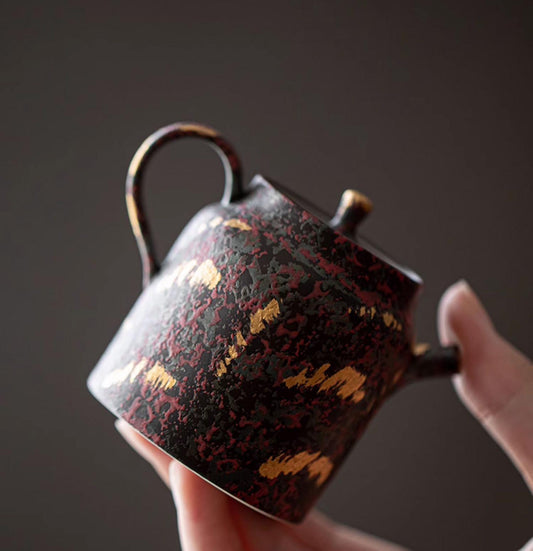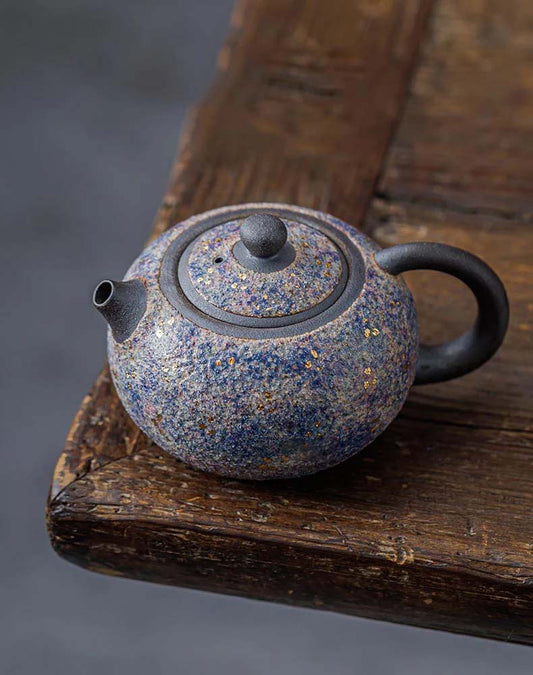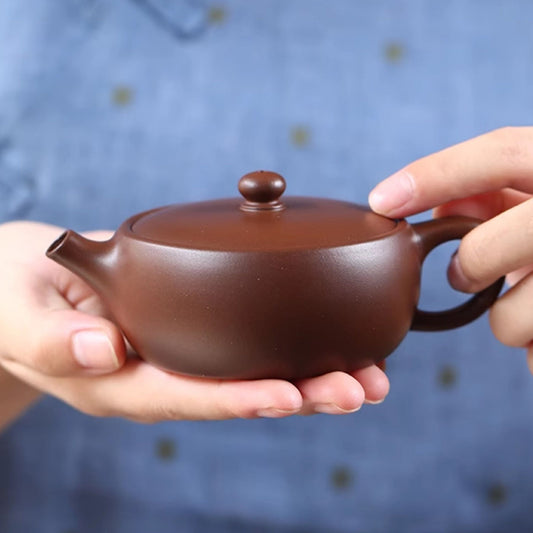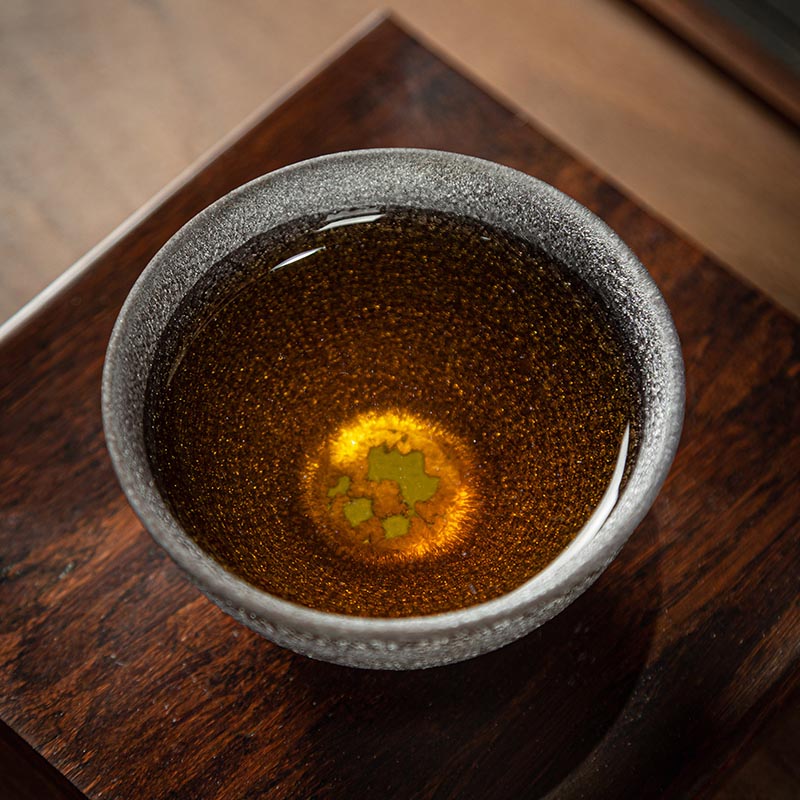
Custom Glass Teapot and What Makes It Worth Noticing
A custom glass teapot sits a little differently on a tea table than the familiar Yixing clay pot or a small porcelain gaiwan. It’s transparent, of course, and that changes the experience immediately. Instead of focusing only on aroma and taste, your eyes become part of the brewing. Loose leaves open slowly in the water, stems rising and settling, pale green or amber liquor spreading through the pot like a quiet watercolor.
For many Chinese teas, especially delicate green teas, white teas, and lighter oolongs, glass can be surprisingly practical. It doesn’t absorb aroma the way Yixing clay does, and it doesn’t retain heat as aggressively as thick ceramic. That makes it easier to control extraction. When you pour hot water over Longjing or Biluochun in a glass pot, you can see the leaves stand upright, drift downward, and gently unfurl. Watching that process helps you learn the tea. You start to recognize when the leaves have opened enough, when the liquor has reached the color you want, when it’s time to pour.
In a gongfu tea setting, glass often plays a supporting role rather than replacing traditional ware. A small clay teapot or porcelain gaiwan might handle a roasted oolong or aged pu’er, while a glass pot appears for teas that benefit from a clearer view. During tastings, it’s useful to see leaf integrity, color, and expansion. The visual clarity adds another layer to the evaluation.
A custom glass teapot often emphasizes form as much as function. The spout angle matters. If it’s shaped well, the stream comes out smooth and controlled, without dribbling along the body. Good balance also becomes obvious when the pot is full. When you lift it with two or three fingers around the handle, the weight should tip forward naturally as you pour, not pull awkwardly in your hand. These are small details, but anyone who brews tea daily notices them right away.
The lid fit is another quiet test. Even with glass, a well-made lid settles into place with a gentle precision. When pouring, you may find yourself instinctively resting a finger on the lid knob, just as you would with a clay pot. If the craftsmanship is careful, the lid stays stable and the pour remains steady.
Glass also changes how the tea session looks on the table. On a wooden tea tray, surrounded by porcelain cups and perhaps a ceramic cha hai, the transparent pot becomes a window into the brewing process. Amber oolong liquor catches the light. Silver buds float near the surface. Even the fine particles of tea dust settling toward the bottom become visible.
Custom pieces sometimes include subtle design choices that tea drinkers appreciate over time: a slightly wider mouth that makes it easier to place large twisted oolong leaves, a built-in glass filter that doesn’t clog during repeated infusions, or a handle shaped to keep fingers comfortably away from the heat. Because glass can be shaped while molten, these forms can feel light and fluid in a way ceramic sometimes cannot.
Of course, glass does not replace the character of clay. A seasoned Yixing pot slowly develops a relationship with the teas brewed in it, and many tea drinkers cherish that gradual change. Glass stays neutral. What it offers instead is clarity—both literal and practical. It lets the tea speak without interference, and it lets the brewer watch every stage of the infusion.
Over time, a good custom glass teapot becomes one of those quiet tools you reach for without thinking, especially when you want to see the leaves dance a little before you pour the tea into waiting cups.