Yixing Teapots The Heart of Chinese Tea Tradition
Yixing Teapots The Heart of Chinese Tea Tradition
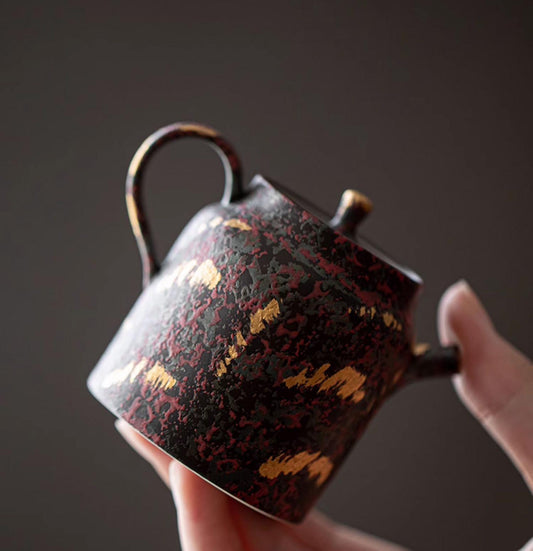
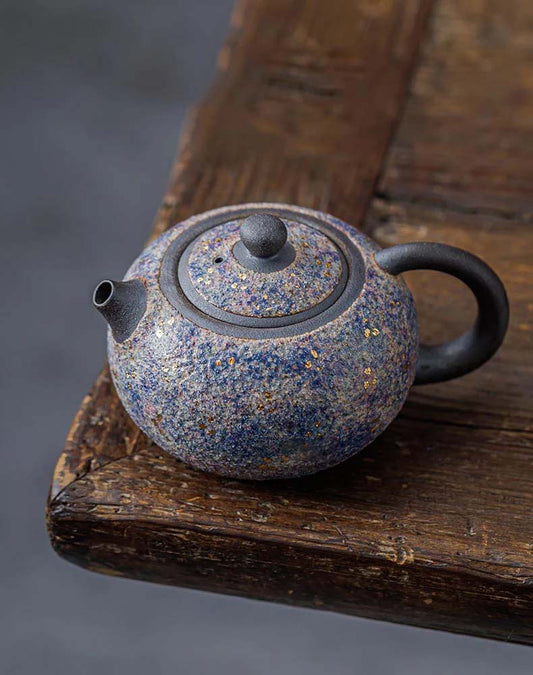
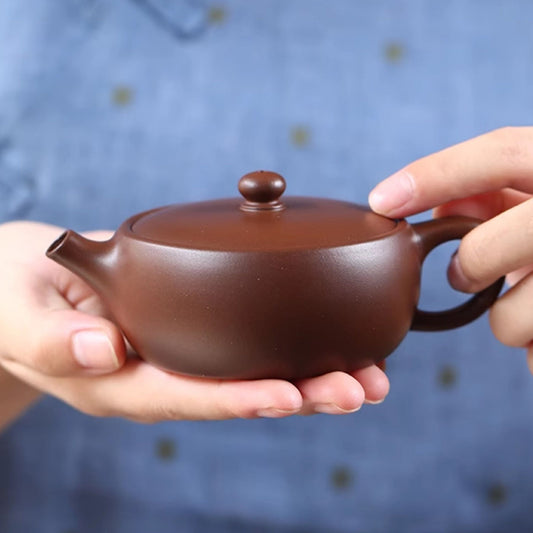
There it sat, atop the well-worn wooden shelf — a dainty Yixing teapot, its clay surface darkened with age and use, standing as a testament to the rituals of tea that had passed through its spout. For many tea enthusiasts, the Yixing teapot isn’t just a piece of equipment; it’s a cherished companion in the journey of savoring tea.
Nestled in the Jiangsu province of China, Yixing has been crafting these teapots since the Song Dynasty, around the 10th century. The teapots are made from zisha, or "purple sand" clay, which is unique to the region. The clay itself is a marvel, with its ability to retain heat while permeating subtle earthiness into the brew. Even today, there's something almost alchemical about how a small, unassuming block of clay transforms into a vessel of such presence and history.
The magic of a Yixing teapot lies in its porous nature. Unlike glazed ceramics, Yixing clay absorbs the oils of the teas it brews, developing a patina over time that enhances flavor. I remember visiting a tea house in Shanghai where the owner proudly showed me his Yixing teapot, which had brewed only oolong teas for over three decades. Holding it felt like cradling a living repository of flavor, memory, and tradition. Each pot becomes seasoned with use, creating a unique fingerprint of the tea drinker's preferences.
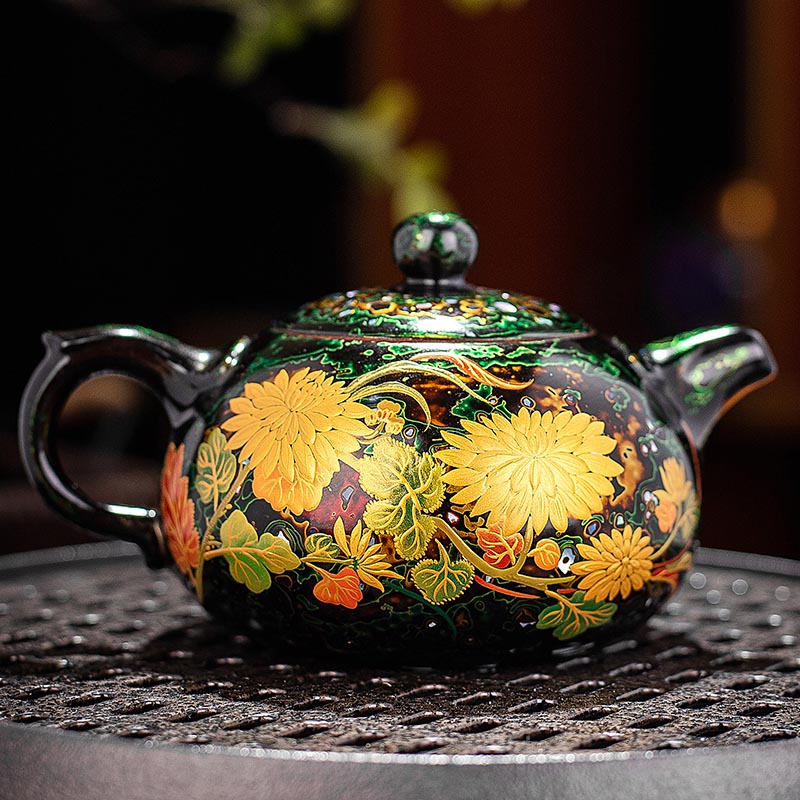
Craftsmanship, too, is at the heart of Yixing's allure. Each pot is handcrafted, often by artisans whose skills have been refined over generations. This isn't mere pottery; it's an art form where patience and precision coalesce. Artisans use rudimentary tools — often just their hands, wooden paddles, and simple blades — to shape and decorate the clay. The finished teapots, adorned with delicate carvings or left plain to let the clay's natural beauty show, are both functional and aesthetic works of art.
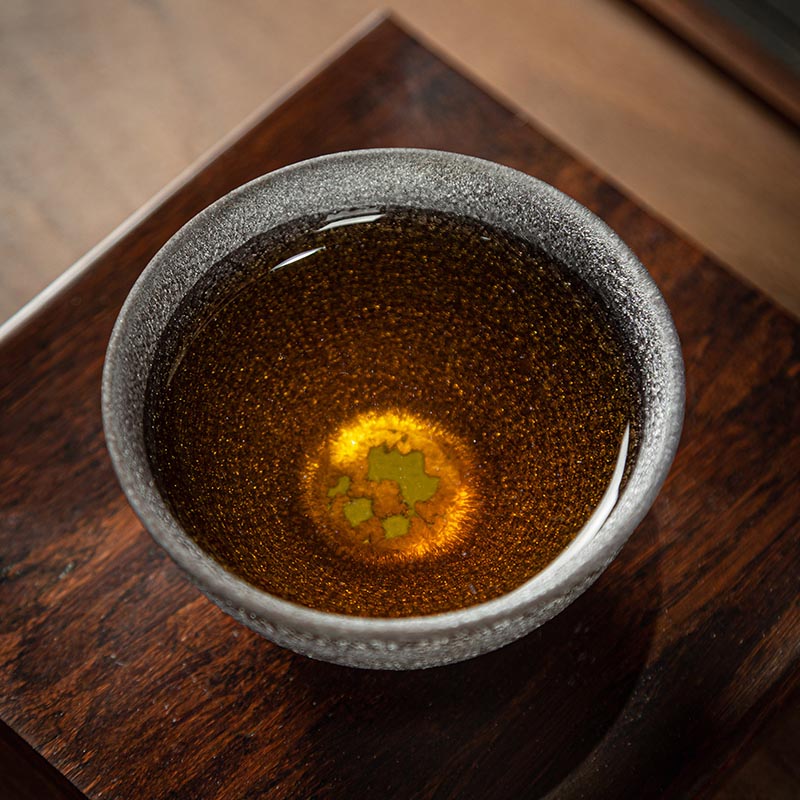
But the allure of Yixing teapots is not just in their creation or patina but also in their role within the broader narrative of tea preparation. Brewing tea in a Yixing pot is an exercise in mindfulness. It's about taking a moment out of the bustle to appreciate the swirls of steam, the gentle glow of the clay, and the companionship of a perfect pour. There’s a simple joy in the ritualistic nature of brewing that a Yixing pot affords — from selecting the leaves to the measured pouring of just-boiled water.
For Western tea lovers seeking authenticity, incorporating a Yixing teapot into your tea rituals can be a gateway to understanding the layers of Chinese tea culture. It’s an invitation to slow down, to savor, and to learn the stories woven into each teapot. With every brew, you’re not just drinking tea; you’re participating in a tradition that has been meticulously crafted and lovingly preserved.
So, if you’re ever fortunate enough to hold one of these treasures, remember it's more than just a vessel. It’s a storyteller, quietly whispering tales of ancient kilns, ageless rituals, and the universal love affair with tea. There's nothing quite like discovering that even the simplest object — like a humble teapot — can connect us to the vast tapestry of human culture and history.