What Does a Teapot Mean
What Does a Teapot Mean
In a sun-dappled kitchen, among gleaming pans and the comforting clutter of everyday life, sits a humble yet intricately crafted teapot. For many, it might seem a simple vessel, an object of utility. But to a tea lover, a true connoisseur, it is the heart of a ritual, a symbol profound and quietly dignified.
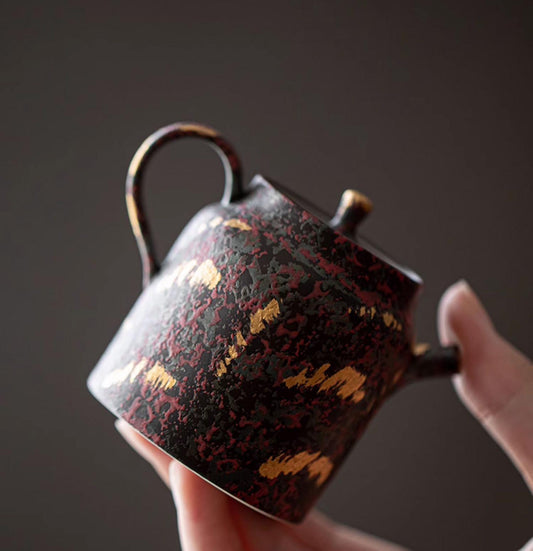
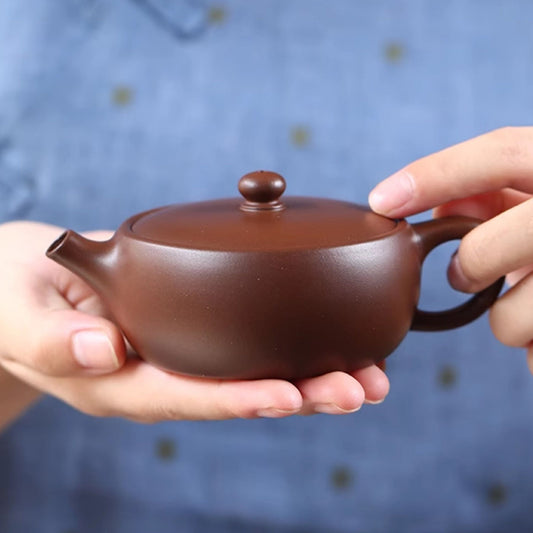
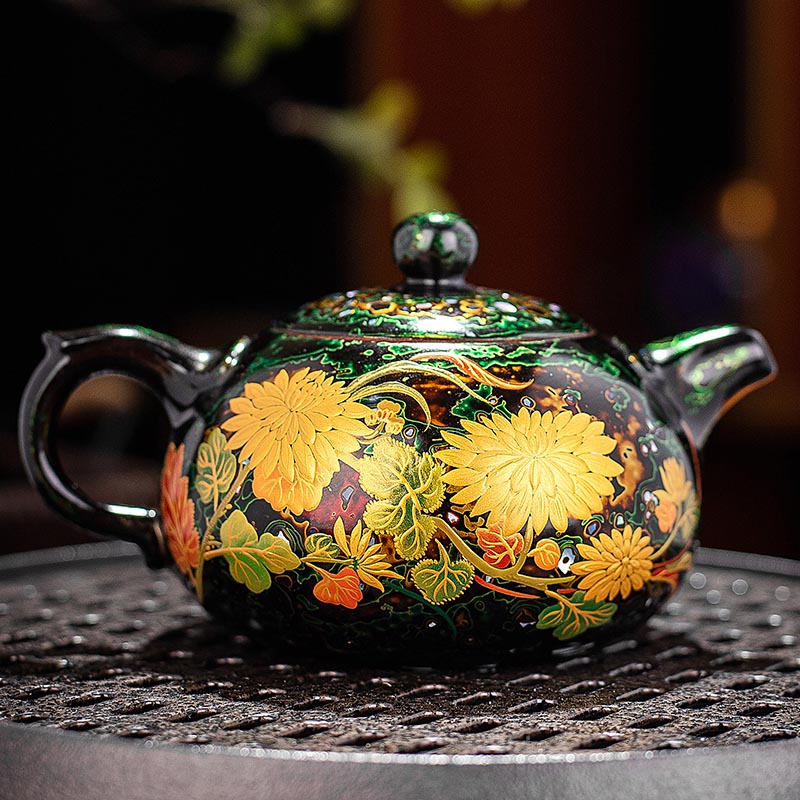
Every teapot, whether modestly glazed earthenware or a prized Yixing clay masterpiece, tells a story. The journey of a teapot often begins with the hands of an artisan, a solitary creator who shapes it with an ancient respect for tradition and material. Yixing teapots, for instance, are not merely functional objects; they are the culmination of over a thousand years of craftsmanship, each one imbued with its own character. Crafted from the distinctive Zisha clay found exclusively in the Jiangsu province of China, these teapots become living artifacts, their walls absorbing the essence of the tea brewed within, telling stories of past infusions and shared moments.
The significance of a teapot also echoes through the annals of history. In the chaos of the Song Dynasty, a time known for its flourishing culture juxtaposed against political upheaval, the teapot emerged as a counterpoint to the world’s tumult. It provided a simple elegance and a venue for tranquility. Tea drinking became a quiet act of rebellion against the era’s chaos—a moment to reflect, to find peace in the whisper of steam rising into cool morning air.
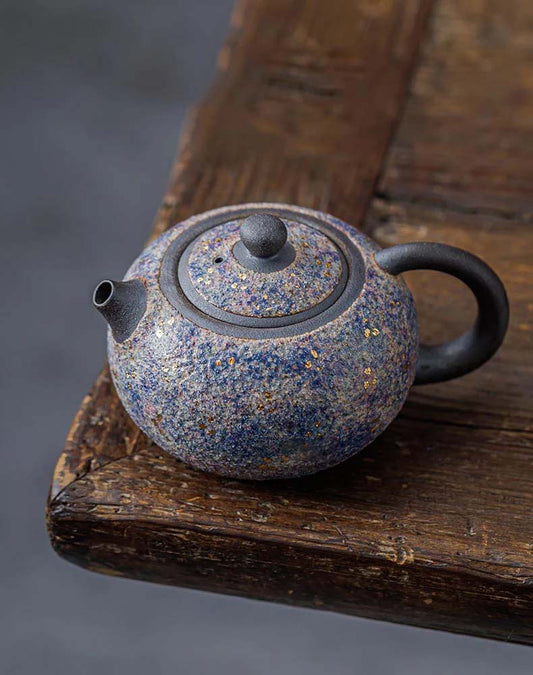
Yet, the meaning of a teapot extends beyond the borders of its origin. In Japan, the humble chawan and teapot are central to the art of the tea ceremony, or Chanoyu, where each gesture holds significance, turning the simple act of brewing tea into a dance of harmony and respect. It's a philosophy captured in the rustic beauty of Wabi-sabi, where imperfections in a teapot are cherished rather than hidden, embodying a fleeting nature and a deeper beauty beyond perfection.
In the Western world, teapots have become symbols of hospitality and comfort. They conjure images of afternoon teas, a tradition that invites conversation and connection over the gentle clink of porcelain. Perhaps it's the tactile sensation of warming your hands around a curved handle or the delicate hiss as water meets leaves that transforms a mere object into the poignant centerpiece of countless gatherings.
Beyond their cultural significance, there’s a deeply personal connection each teapot holds with its owner. It’s a relationship built over years, an understanding that brews with each pot of tea made. A cherished teapot becomes a companion in solitude, a vessel of memories that evolve with time, imbuing each cup with a sense of continuity and personal history.
Ultimately, what a teapot means is as diverse as the people who gather around its comforting presence. For some, it's a bridge to cultural heritage; for others, an invitation to pause and savor life’s simplicity. In a world that often races by, the teapot is an enduring reminder to slow down, to observe, and to find joy in the quiet moments that stitch our days together.