The Teapot at the Heart of Your Chinese Restaurant Experience
The Teapot at the Heart of Your Chinese Restaurant Experience
In the softly lit ambiance of a Chinese restaurant, while the aroma of sizzling stir-fries fills the air, a seemingly humble yet quietly significant element often graces the table: the teapot. This is no ordinary vessel; it's a bridge between tradition and the present, an object that carries the weight of countless tea leaves' stories—each unfurling with age-old wisdom as they steep.
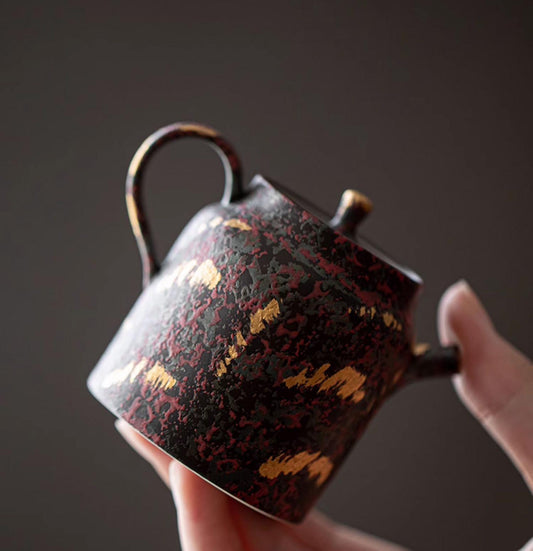
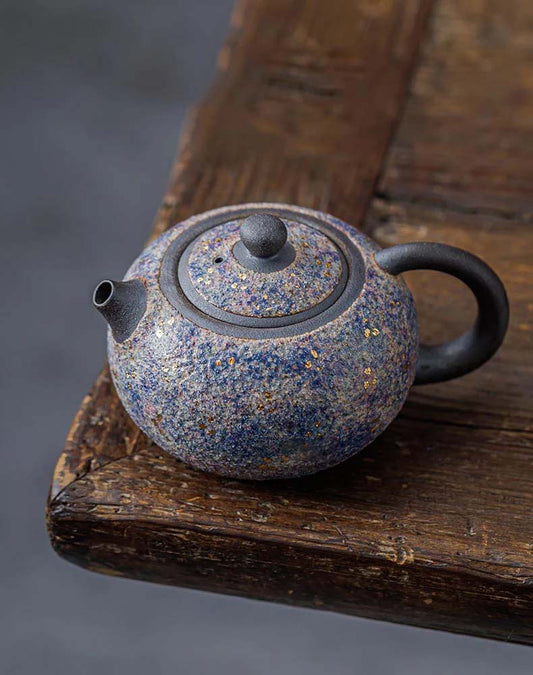
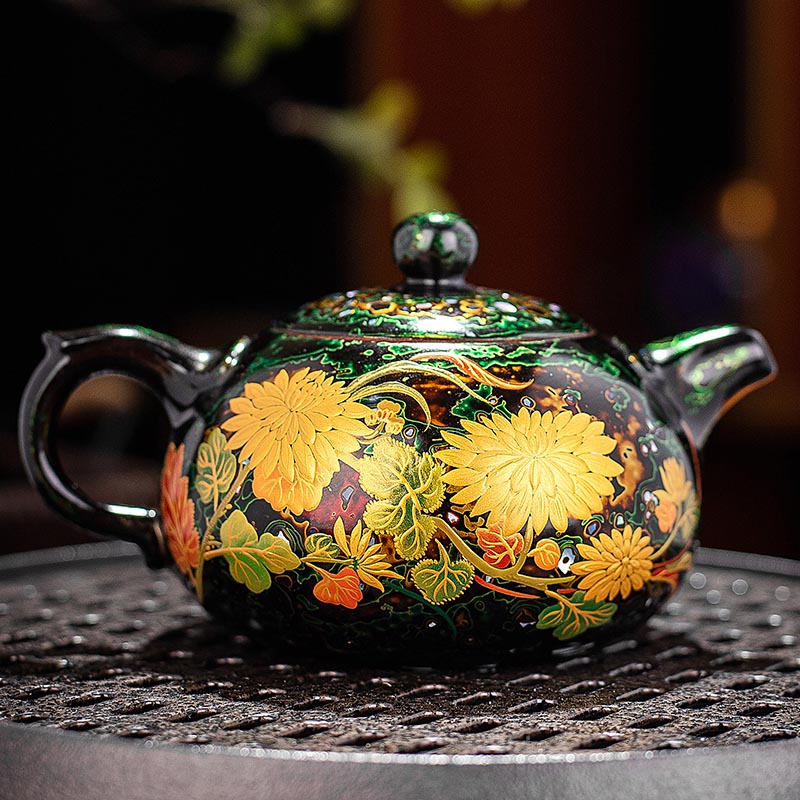
Stepping inside your neighborhood Chinese restaurant, the teapot is likely the first harbinger of warmth and hospitality. Made of porcelain or sometimes stoneware, its design might echo the grace of the Ming dynasty, or perhaps feature the vivid hues and dragons of Qing artisans. The teapot not only holds tea but embodies a piece of history, an echo of the past when tea was a currency of social interaction—an art form in itself.
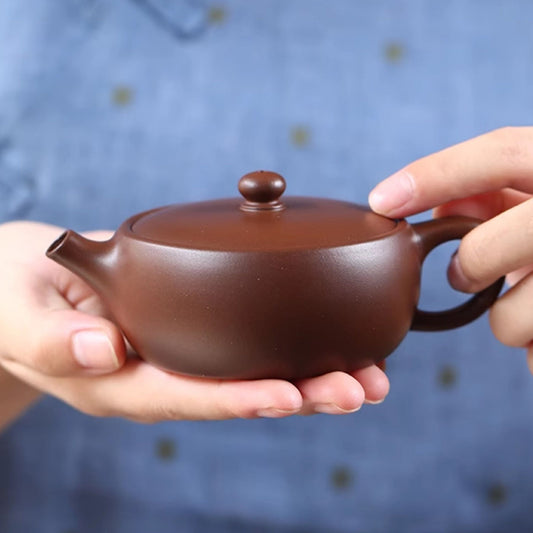
These teapots are more than vessels; they're a testament to the craftsmanship that has been passed down through generations. Imagine a Yixing teapot, its unassuming clay surface hiding the complex individuality and breathability that connoisseurs revere. Handcrafted from the rare zisha clay of Jiangsu province, each Yixing teapot is unique, practically alive, with minuscule pores that absorb the tea's fragrance over time, creating a personal patina of experiences shared at countless gatherings.
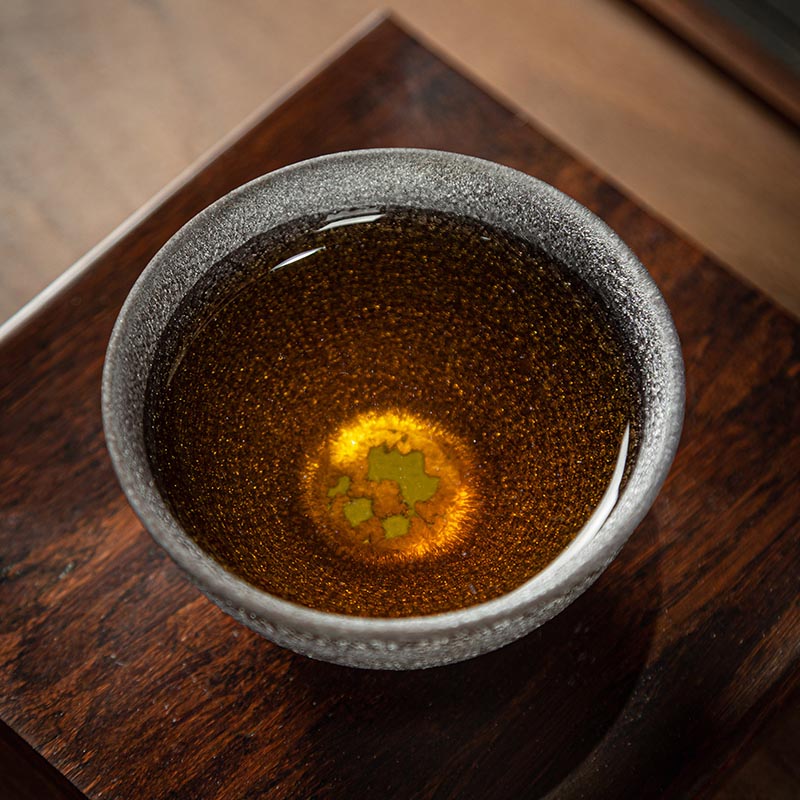
When the server brings it to your table, its spout precisely formed to pour a perfect stream, a quiet ritual unfolds. The tea, often a comforting jasmine or a robust pu-erh, whispers tales of its journey—from mist-covered mountains to the gentle hands that picked and rolled each leaf. This moment, this simple act of pouring tea, ties you unexpectedly to the farmers in Fujian, the artisans in Yunnan, and the Hakka merchants who historically traded their finest leaves.
Interestingly, the teapot's role in this setting is a nod to the tea culture’s historical travels alongside the Silk Road and beyond, cross-pollinating with neighboring cultures and cuisines. Its ubiquitous presence in Chinese restaurants worldwide symbolizes a soft power—how the everyday becomes exotic, how a simple pot of tea can refresh more than just the palate, it revives an appreciation for shared moments.
Next time you find yourself in a Chinese restaurant, allow the teapot a moment of contemplation. It’s not merely a receptacle for hot liquid; it's an artifact of cultural continuity, a quiet reminder that even as the world rushes by, there is always time for tea. The teapot, after all, holds more than just tea—it holds a slice of life, savored one cup at a time.