The Charm of Stacked Teacups
The Charm of Stacked Teacups
It was while navigating the narrow aisles of a tiny Kyoto antiques shop that I first encountered the curious phenomenon of the stacked teacups. The shelves were filled with a delightful jumble of porcelain wonders, and right in the heart of this organized chaos stood a precariously balanced tower of teacups. Each cup had its own story, its own legacy whispered through crackled glaze and hand-painted motifs. I remember the shopkeeper smiling gently at my mix of curiosity and trepidation; in his world, this teetering display was an everyday comfort.
In the West, we often see the humble teacup as a solitary item, a vessel to cradle our morning brew. Yet, in the East, especially within Japanese and Chinese traditions, the teacup holds a more communal narrative. Tea gatherings often involve a progression of cups passed around, with each participant contributing their own unique piece to the growing collection. The art lies not only in the tea but also in the teacups themselves—each one a vessel of history and craftsmanship.
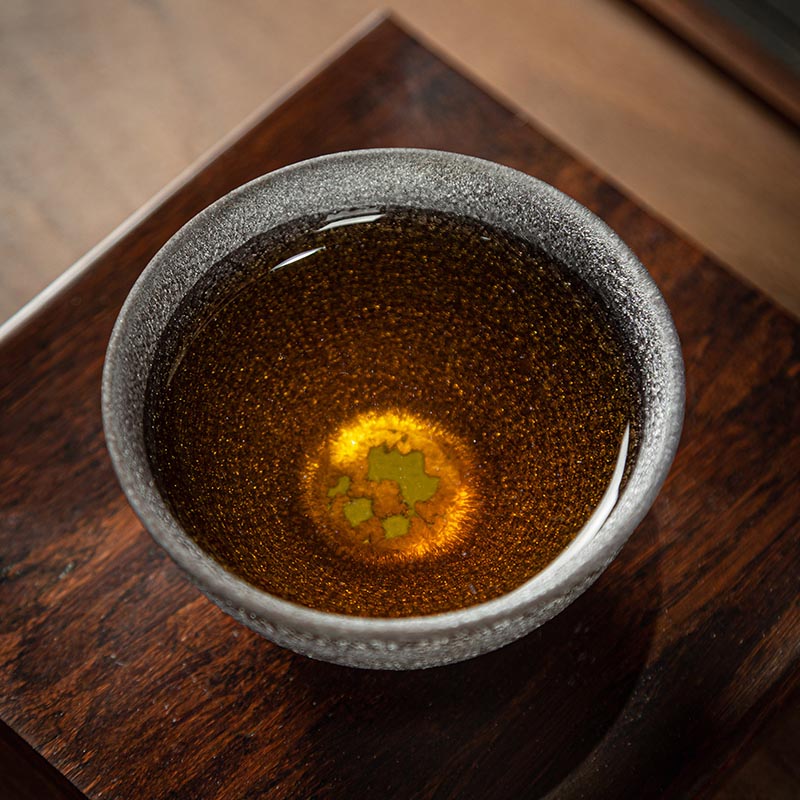
Take, for instance, the famed Jian Zhan teacups of Chinese origin. These cups, with their distinctive metallic glazes, originated in the Song dynasty and are valued not just for their beauty but for the mindful skill required to create them. The ancient technique of firing at high temperatures allows for unpredictable results, giving each cup its own personality. When stacked, these cups create a shimmering mosaic, each glinting with a different hue, a testament to both the potter’s art and nature’s unpredictability.
Across the seas in Korea, the tradition of stacking teacups also holds cultural significance. Known as "Chawan," these cups are integral to the Korean tea ceremony, where simplicity and tranquility reign. A stack of Korean teacups often reflects the aesthetics of natural beauty and imperfection, principles of "wabi-sabi" cherished across many East Asian cultures. Each cup is a subtle blend of asymmetry and texture, inviting touch as much as sight.
There’s something inherently poetic about the act of stacking teacups, a gentle rebellion against their inherent fragility. It speaks to a balance between chaos and order, a tangible reminder of the tea community’s interactions across time and space. In a stack, teacups shift from individual pieces to a collective experience, much like the shared comfort of tea itself.
That day in Kyoto, I walked away with a single cup from the stack—a delicate, translucent piece with indigo dragons swirling around its center. It was a tangible piece of history, a reminder of the shared human experience that tea, in its many splendid forms, has always represented. When I drink from it, I am reminded of all the teacups it once stood alongside, and of the many stories they could tell.