The Best Teapot A Journey Through Craftsmanship and Culture
The Best Teapot A Journey Through Craftsmanship and Culture
In the world of tea, the quest for the perfect teapot is akin to the search for the Holy Grail. Each tea lover’s journey is unique, shaped by personal taste and cultural curiosity. There are teapots that excel in their functionality, others that capture us with their beauty, and some that hold generations of history in their clay or porcelain. Like tea itself, choosing the best teapot is deeply personal, informed by utility and an appreciation for artistry and tradition.
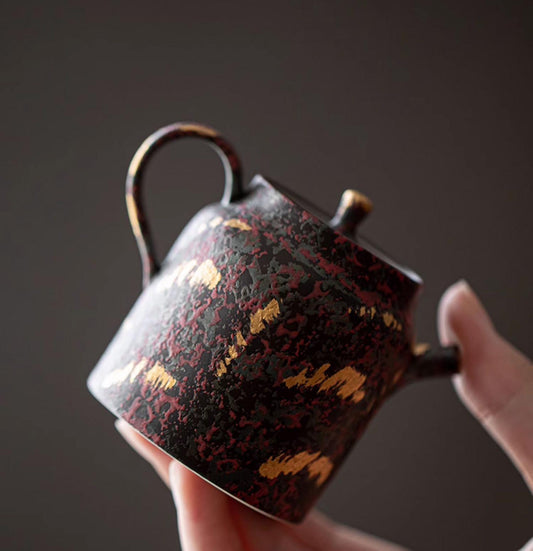
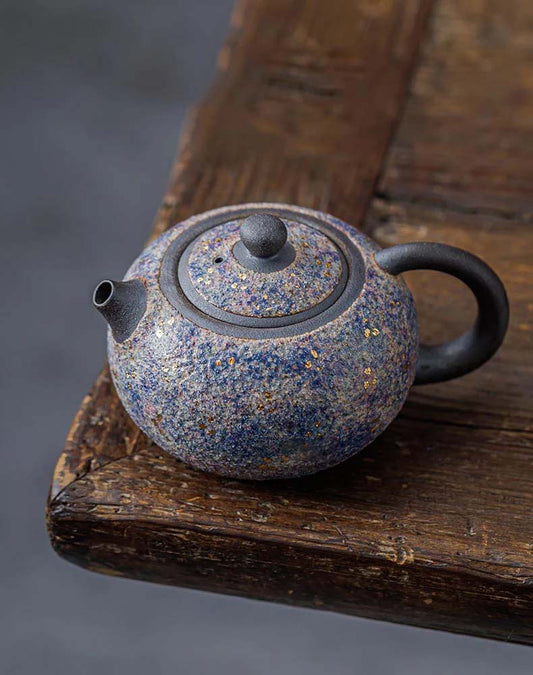
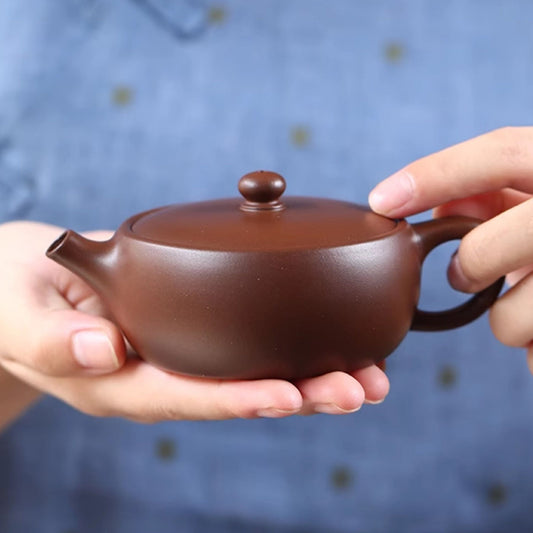
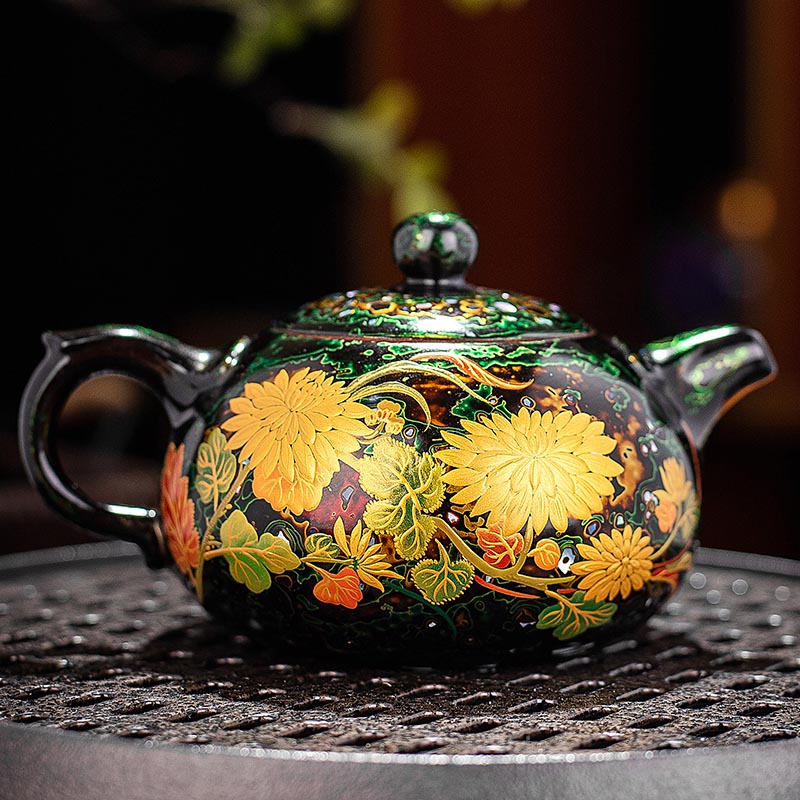
One cannot discuss teapots without paying homage to the Yixing teapot, a masterpiece born from the ancient clay beds of China’s Jiangsu province. These small, unassuming vessels are crafted from the region’s unique zisha clay, which boasts natural mineral properties that enhance the tea’s flavor over time. A Yixing teapot, as tradition dictates, is meant to be dedicated to a single type of tea, allowing the porous clay to absorb the tea's essence and develop a seasoned patina unique to its user. This transformative journey from clay to cup is much like that of a cherished family heirloom, bearing the invisible fingerprints of its past drinkers, each sip a narrative shared across the ages.
For those who appreciate a sense of precision in their brewing, a traditional Japanese kyusu offers a distinct alternative. With its side handle and fine mesh strainer, it’s particularly beloved for brewing delicate green teas, ensuring even the most fragile leaves are handled with care. The kyusu’s design encourages a graceful, measured pour, honoring the Japanese ethos of balance and simplicity. Using a kyusu feels akin to engaging in a gentle dialogue with the tea, each movement deliberate, each cup a gateway to tranquility.
Yet, the best teapot doesn’t solely reside in deep tradition. Modern innovation and design have given us glass teapots, which bring a different kind of magic to the tea experience. With their transparent bodies, they offer a visual feast, allowing us to witness the choreographed dance of leaves unfurling in the water. This unfurling is not just a spectacle; it’s a reminder of nature’s quiet artistry. Glass teapots may lack the cultural gravitas of their ceramic counterparts, but they inspire a certain awe, merging the sensory pleasures of sight and taste.
In the end, the best teapot is about the relationship formed between the vessel and its user, a meaningful interplay of heritage, preference, and intention. It stands as a testament to how we choose to engage with the simple act of making tea, whether it’s a slow ritual with a storied Yixing, a mindful practice with a Japanese kyusu, or an artistic appreciation with a glass teapot. The perfect teapot is the one that feels right in your hands, enhancing your brewing ritual in a way that resonates with your personal relationship to tea. This journey of discovery is as rich and rewarding as the tea itself, inviting us to explore, savor, and share one cup at a time.