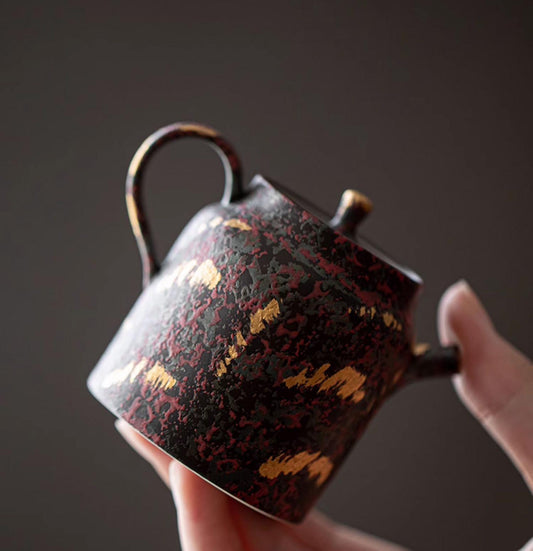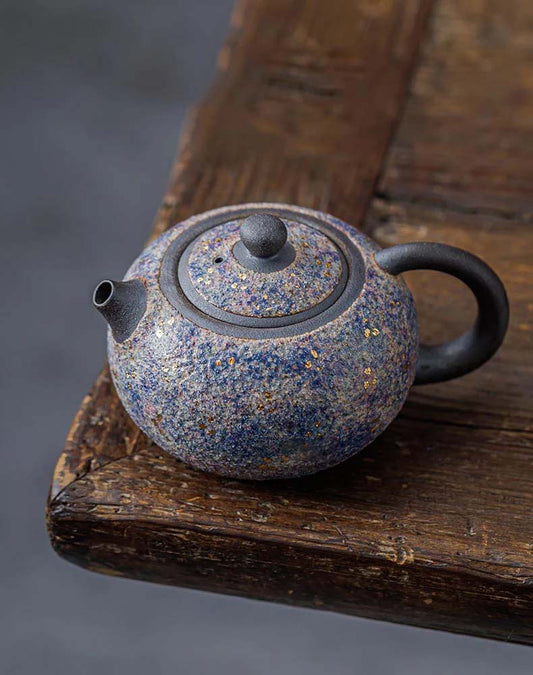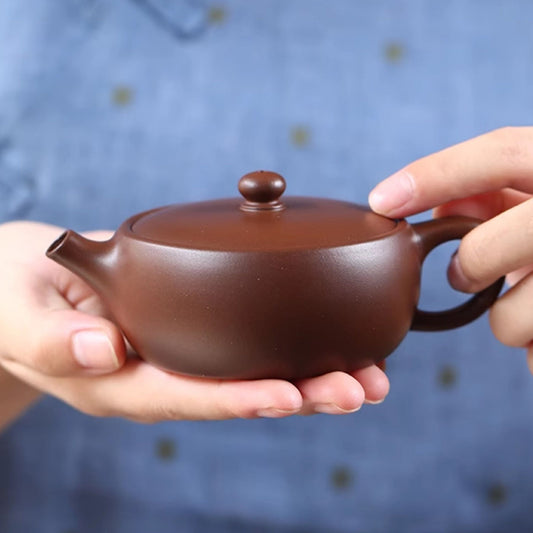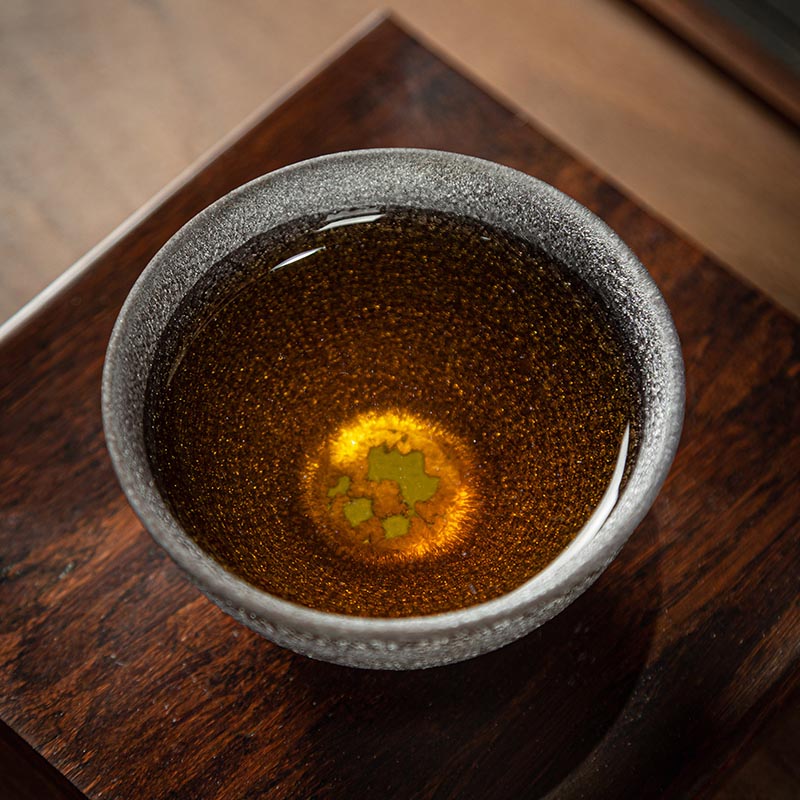
The Artful Dance of Teacup Stencils
The Artful Dance of Teacup Stencils
In my little kitchen, there's a corner that whispers stories of tea. Among its inhabitants is a collection of teaware, each piece with its own voice and history. One day, while browsing a small shop filled with the aroma of dried leaves and the hum of warm-hearted chatter, I stumbled upon something that intrigued me greatly: teacup stencils. A seemingly simple discovery, yet it opened a door to a world of elegance and tradition that I had not fully appreciated before.
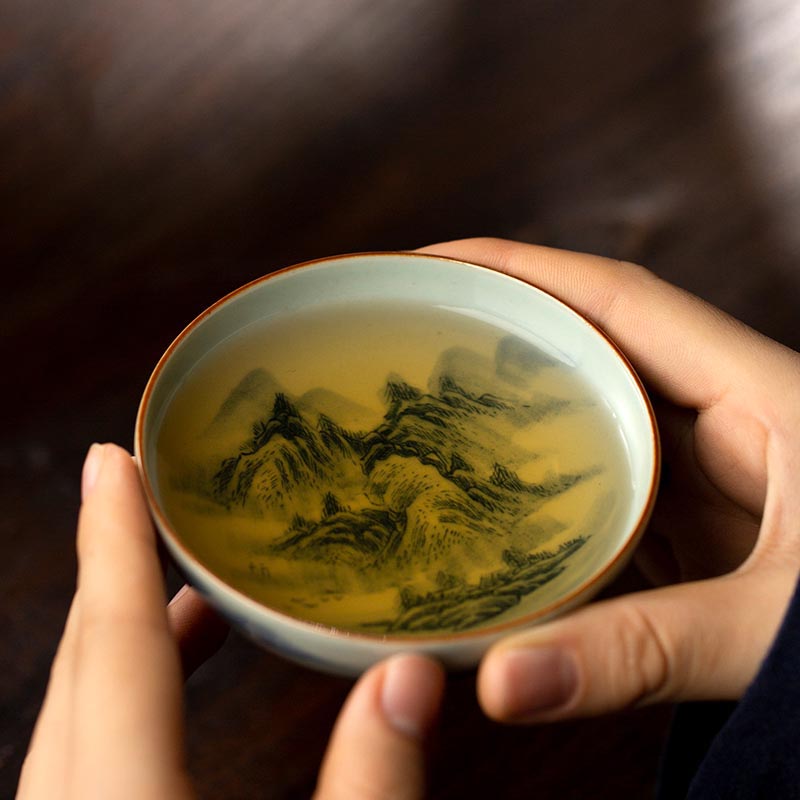
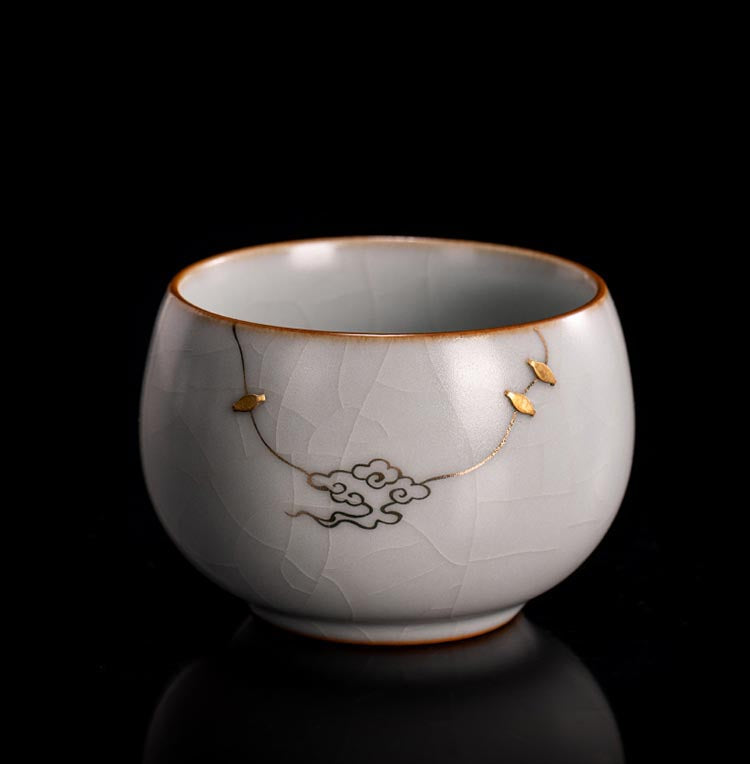
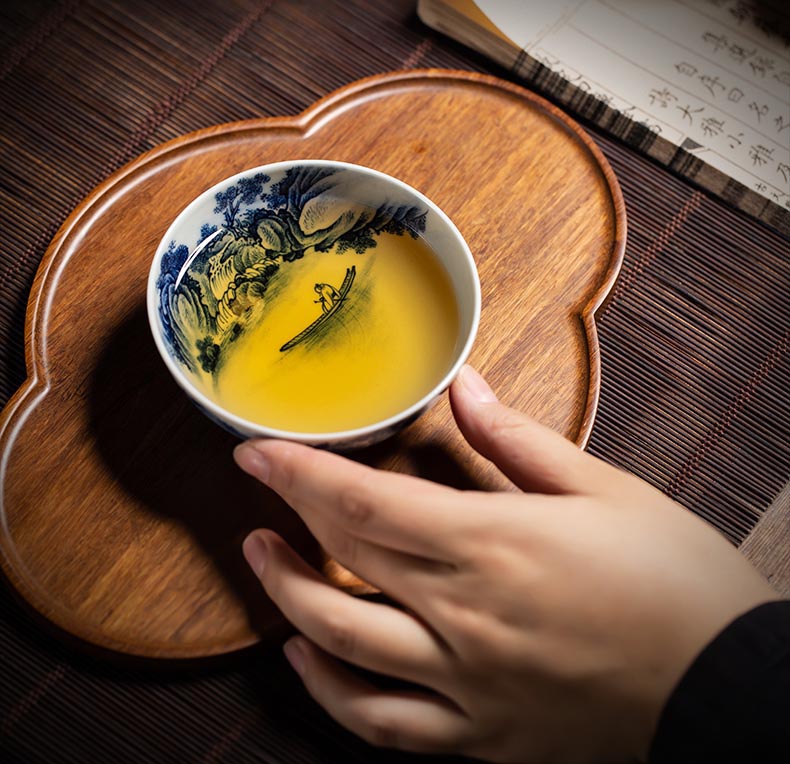
Stencils are best known as tools for creating patterns, but in the realm of tea, they serve an art form with subtle complexity. Designed to grace the surface of teacups, these stencils delicately transfer intricate patterns onto the porcelain canvas. Often made from delicate materials like brass or expertly crafted paper, these stencils blend artistry with functionality. In the world of teacraft, where aesthetics intertwine with ritual, such fine details hold a special place.
Historically, the use of stencils in tea culture is a craft that speaks to the heart of East Asian artisanship. During the Song Dynasty (960–1279), the Chinese developed a fondness for decorative ceramics. Craftsmen from the Jian kilns in Fujian province, celebrated for their exquisite black-glazed teaware, began experimenting with stencils. This allowed them to introduce nuanced patterns without compromising the teacup's functionality. These designs often included motifs of nature, each element telling a silent story on the vessel's surface. Some say that a well-chosen stencil design can even enhance the flavor of the tea, adding an extra dimension to the sensory experience.
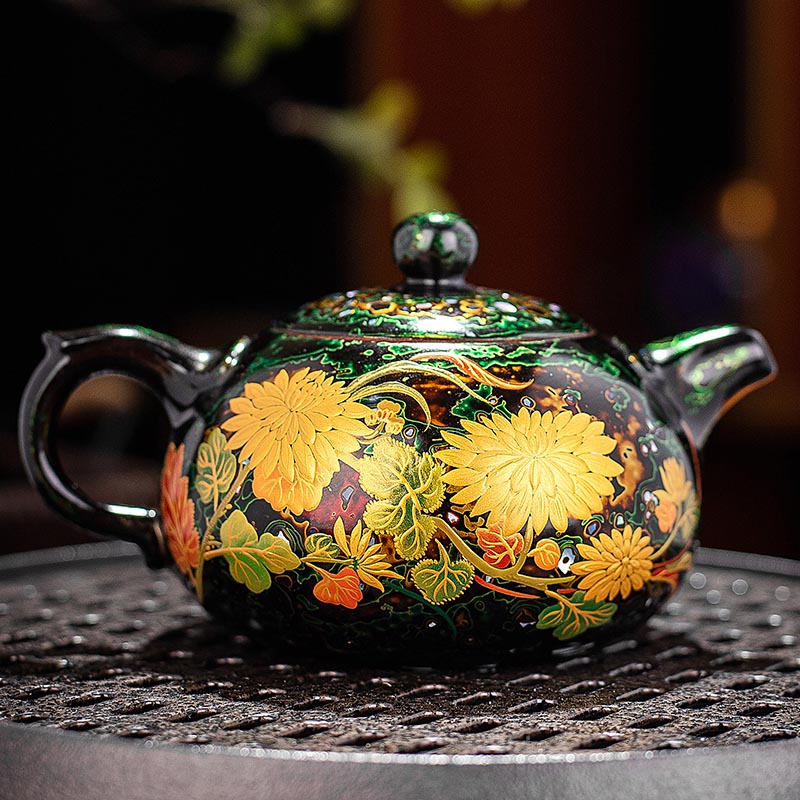
The practice of using stencils is not exclusive to China. In Japan, the refinement of the tea ceremony during the Edo period (1603-1868) also saw the adoption of similar decorative techniques. Here, the art of stenciling found its place in the production of 'Kyo-yaki' — a type of Kyoto pottery renowned for its intricate and colorful patterns. The artisans of Kyoto adapted the stencil method to complement their vibrant glazes, resulting in pieces that are both pleasing to the eye and comforting to hold.
Today, with each cup I prepare, I am reminded of the centuries-old dance between form and function that stencils represent. As tea enthusiasts, we are often drawn to the stories behind our favorite teawares, the invisible threads that tie us to the past. The precision of a stenciled pattern invites reflection and encourages us to savor not only the tea but the artistry and history encapsulated in every sip.
As you hold your own teacup, consider the stencil's design. What tales do its patterns tell? What legacy do they carry from the hands of a craftsman long ago to yours today? It is this intersection of art and utility, of time-honored tradition and personal ritual, that makes tea more than just a drink. It is a journey through time and culture, one cup at a time.