The Art of the Teacup Small Wonders with a Stingray Touch
The Art of the Teacup Small Wonders with a Stingray Touch
In the expansive world of teaware, the teacup often appears as a modest player. Yet, like the delicate stroke of a calligrapher's brush, it holds profound meaning and significance in the ritual of tea. When discussing the intriguing concept of a "teacup stingray size," we wade into a captivating blend of artistry and functionality, a reminder of how the smallest details can transform the tea experience.
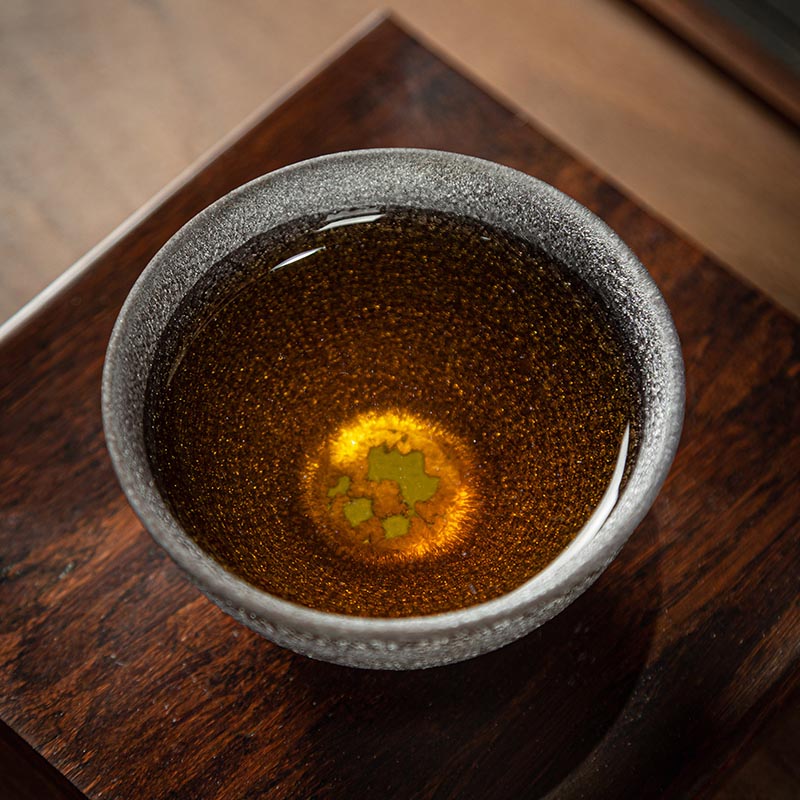
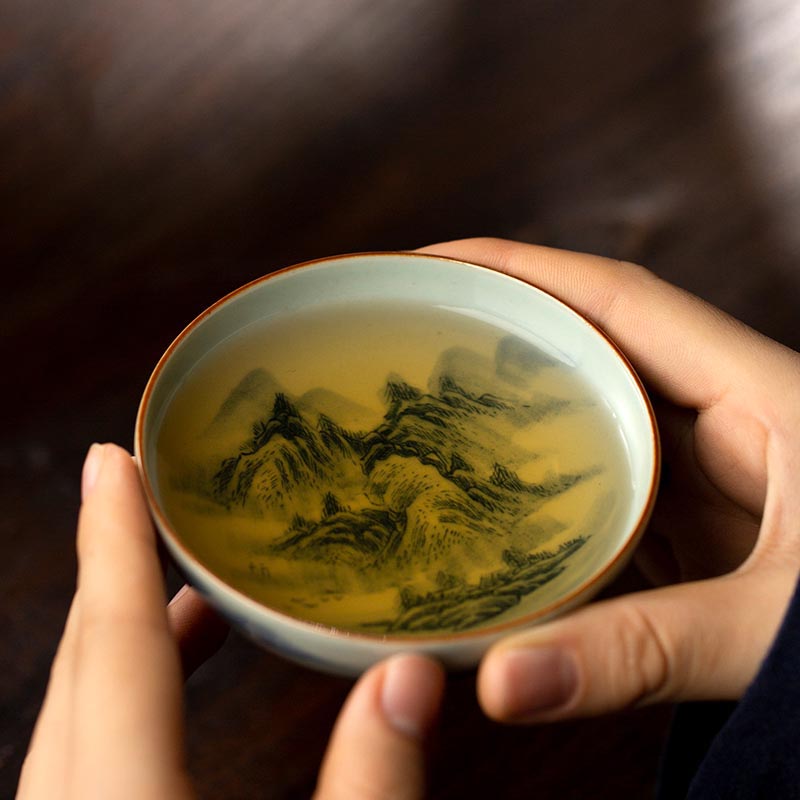
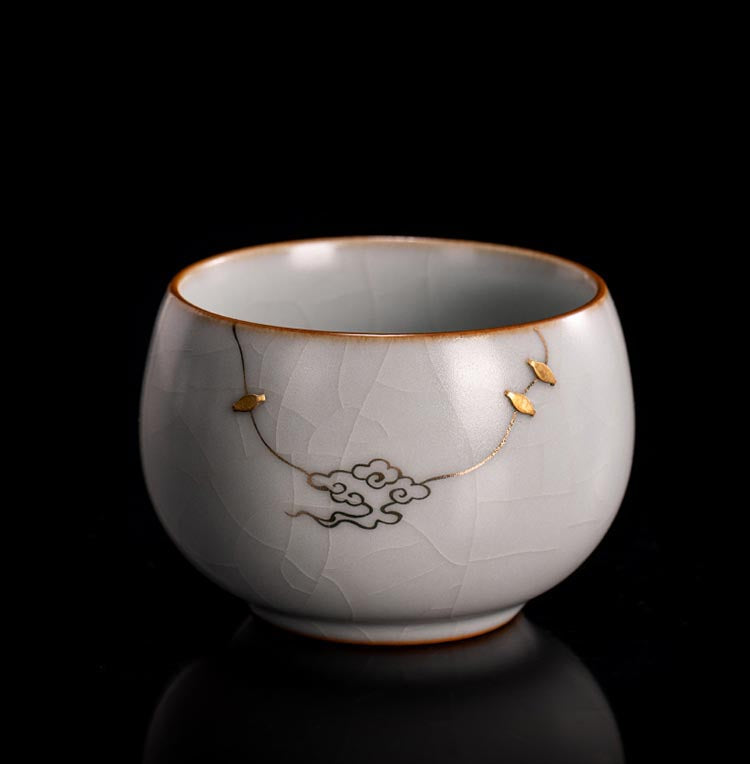
The phrase "stingray size" captures a unique feature in certain teacups where the base is designed to mimic the gentle curve of a stingray's body. This design is not merely an aesthetic choice; it subtly influences the thermodynamics of your brew. The stingray curve allows the cup to rest comfortably in one's hand, enabling the tea to cool at a measured pace, revealing complex flavors sip by sip.
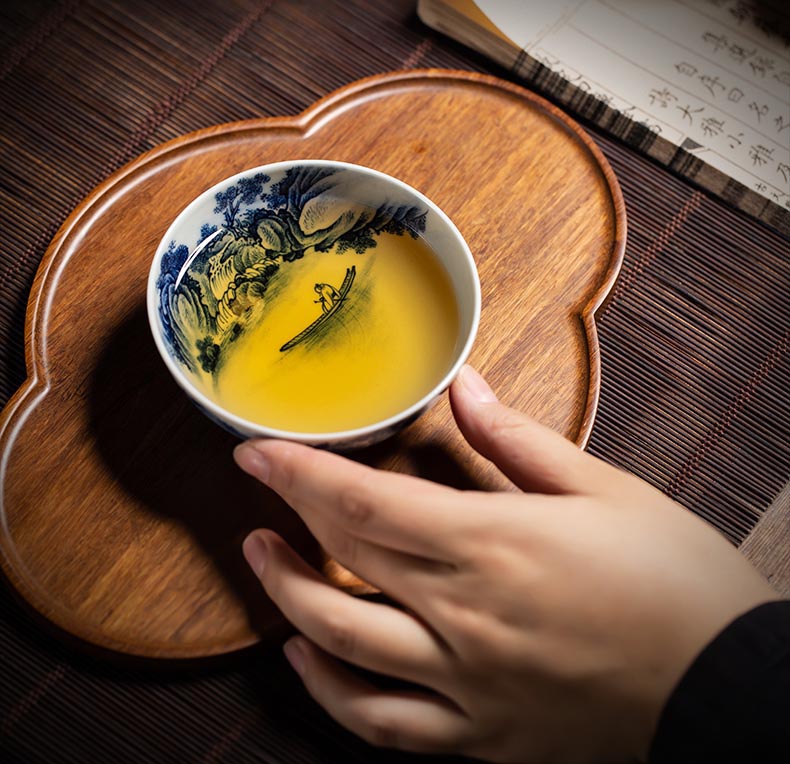
Craftsmanship plays a vital role in achieving this delicate balance. Artisans, especially from regions like Jingdezhen in China, have honed their techniques over generations to perfect just such intricate designs. Each piece is a testament to their skill, where the stingray curve is sculpted with precision to ensure that form meets function seamlessly. These cups are often the product of hours of painstaking work, as each must be hand-shaped and fired with meticulous attention to detail, ensuring that it holds the right balance and feel.
There is an element of tradition and quiet reverence in these creations that harkens back to the very roots of tea culture. In ancient China, teacups were more than mere vessels; they were companions in contemplation, crafted to enhance the sensory exploration of tea. Legend tells of an emperor who, enchanted by the sea's creatures, commissioned his artisans to bring a piece of the ocean to his court. Thus, the curved cups were born, channeling the spirit of the stingray—a creature known for its grace and elegance.
When you hold a teacup of this distinctive design, you're not just indulging in a beverage; you're participating in a lineage of art and history that elevates the everyday act of drinking tea into something quite extraordinary. It's a reminder that, just as a stingray glides through waters with subtle authority, a teacup with such a form glides into our routines, subtly influencing the way we experience the world.
Such teacups are not merely collectible artifacts; they are bridges connecting modern tea drinkers with an ancient past. They invite us to slow down, appreciate the craft, and perhaps ponder the passage of time as we sip. In an era dominated by speed and convenience, this is their quiet power—a gentle reminder of the patience and artistry that enrich our lives.
So, next time you pour your morning brew into a teacup molded with this graceful touch, consider the journey—both yours and its own. There's a richness in this small, stingray-sized wonder that speaks to the soul, echoing the timeless dance between humanity, nature, and tea.