The Art of the Pour Choosing the Perfect Teapot for Your Cup
The Art of the Pour Choosing the Perfect Teapot for Your Cup
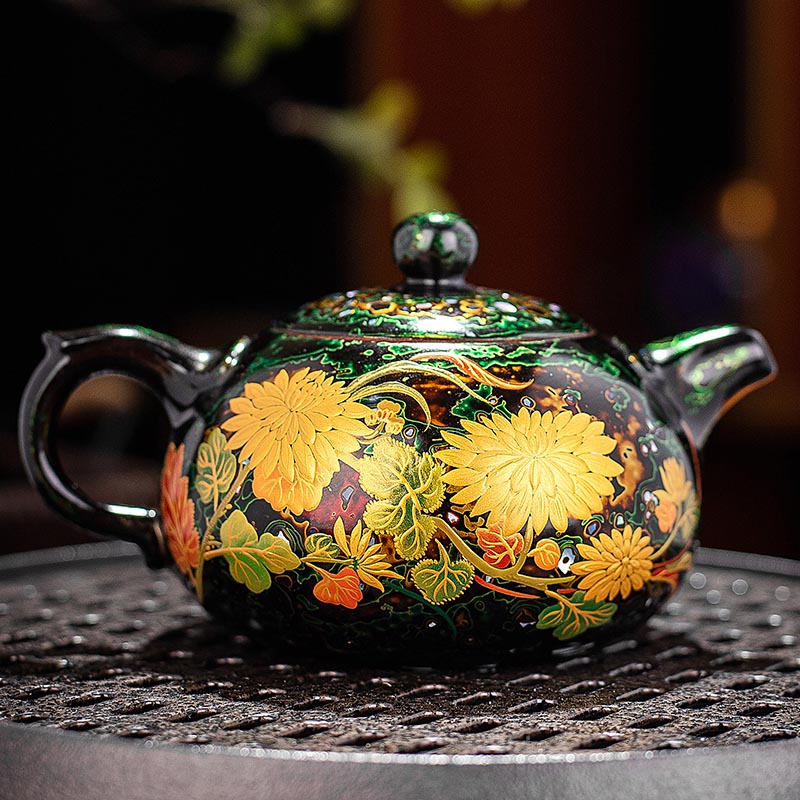
Not long ago, I found myself browsing in a small, unassuming shop tucked away on the cobbled streets of an old European town. While the shop itself seemed to have nothing extraordinary on display initially, I caught sight of a dusty yet beautiful Yixing teapot nestled on a high shelf. Though its outward appearance was ordinary, I knew from experience that a well-crafted teapot is like an artist's brush—forged by history, culture, and the hands of a dedicated craftsman.
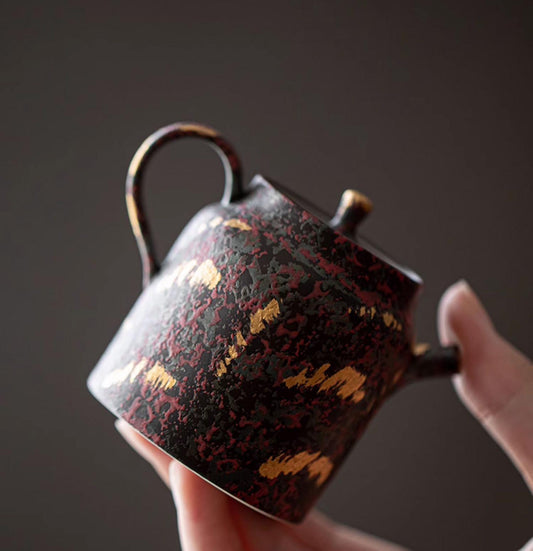
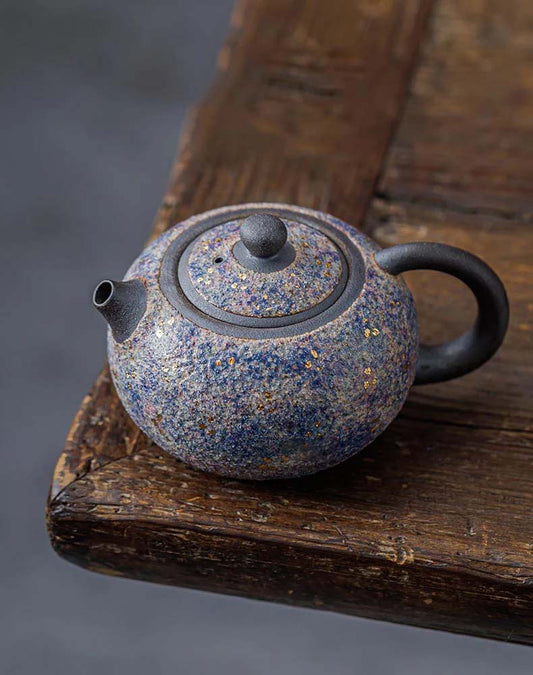
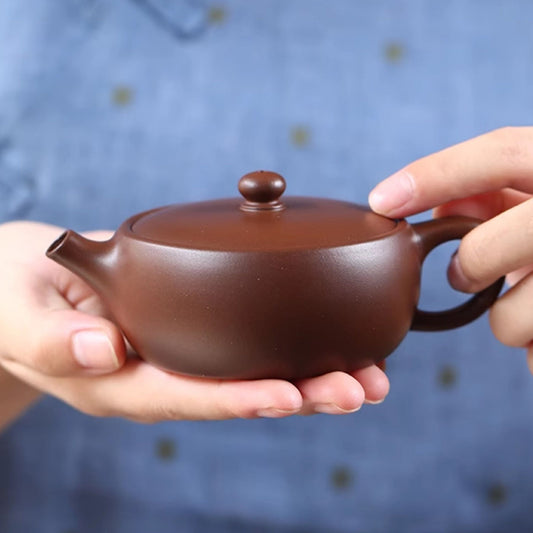
When we talk about the "best" pouring teapot, it's not about a shiny, mass-produced piece promising you a quick fix of caffeine. Instead, we embark on a journey of discovery, where the quality of a pour intertwines with the legacy of tradition. Consider the Yixing teapot, for instance—a hero of the Chinese tea tradition. Fashioned from zisha clay, known for its unique ability to absorb the flavors of the tea over time, a Yixing teapot becomes more seasoned and enriched with each brew. These teapots have the peculiar magic of improving your tea experience, almost like a time capsule capturing the essence of every sip you’ve ever taken.
However, the choice of teapot isn’t limited to materials and cultural significance alone. For those who relish the softer, less assertive notes of Japanese green teas, a Kyusu—a side-handled teapot—might be the companion you seek. The Kyusu’s design offers a graceful, controlled pour allowing you to coax out the delicate flavors that Japanese teas are celebrated for. This, paired with its refined aesthetic, makes the act of pouring not just a routine but a ritual—as if each stream of liquid carries a whisper of Kyoto’s serene landscapes.
It would be remiss not to mention the gaiwan—a humble yet multifaceted vessel that challenges the very premise of a teapot. Comprising a simple bowl, lid, and saucer, the gaiwan is the embodiment of the Chinese philosophy of simplicity and balance. For tea enthusiasts, it offers an intimate connection with the leaves; here, the act of pouring becomes a dance, revealing the complexities of oolongs and whites with each graceful tilt of the wrist. The gaiwan teaches patience and mindfulness—qualities that often seem lost in the rush of modern life.
Ultimately, the "best" pouring teapot isn’t universally defined. It's a deeply personal choice, shaped by your brewing style, the teas you love, and even the stories that have shaped your own journey with tea. Perhaps the true beauty lies not in finding the perfect teapot but in the search itself, savoring the narratives hidden within each pour. And who knows, like the dusty Yixing I found that day, the perfect pot might just be around the corner, waiting for you to share its tale.