Teacup with Legs on the Desk Hogwarts Mystery and the Art of Imagination
Teacup with Legs on the Desk Hogwarts Mystery and the Art of Imagination
While the world of Harry Potter is known for its wand-twitching magic and spellbinding adventures, sometimes it's the smaller details that capture the imagination and draw us deeper into its enchanting universe. Take, for instance, the quirky scene of a teacup with legs casually ambling across a desk—a moment where the extraordinary meets the everyday in the most delightful way. This imagery is not just a testament to J.K. Rowling’s whimsical world-building but also a nod to the curious charm of teaware, an aspect of culture rich in its own form of magic.
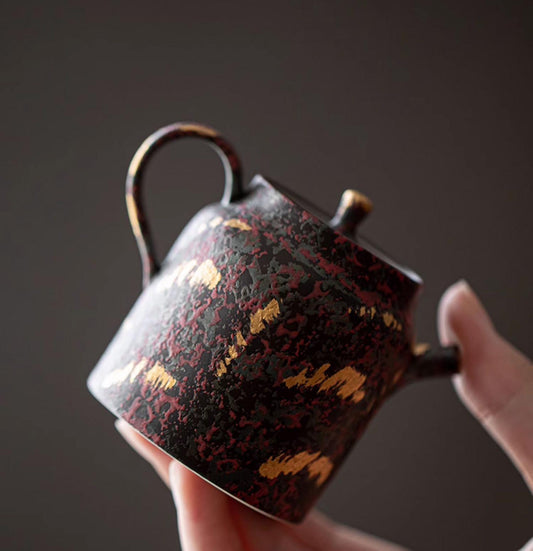
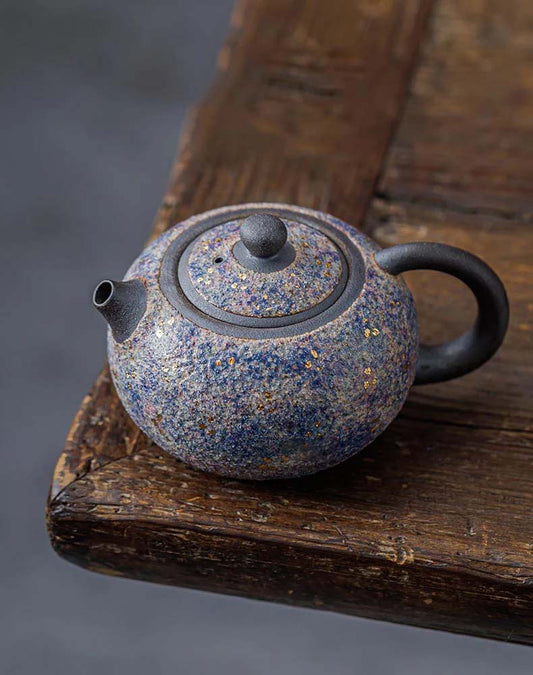
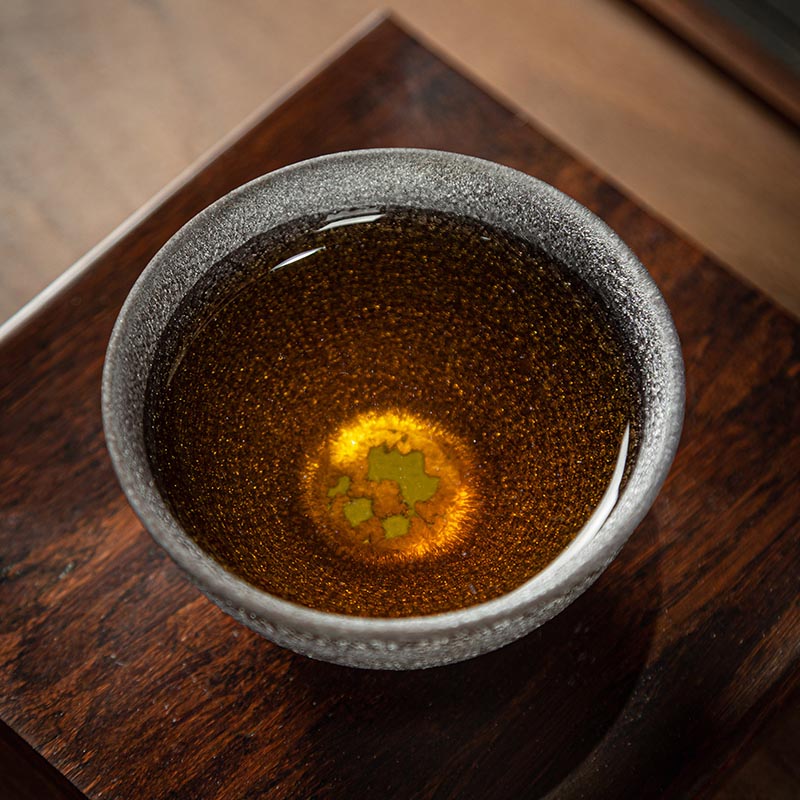
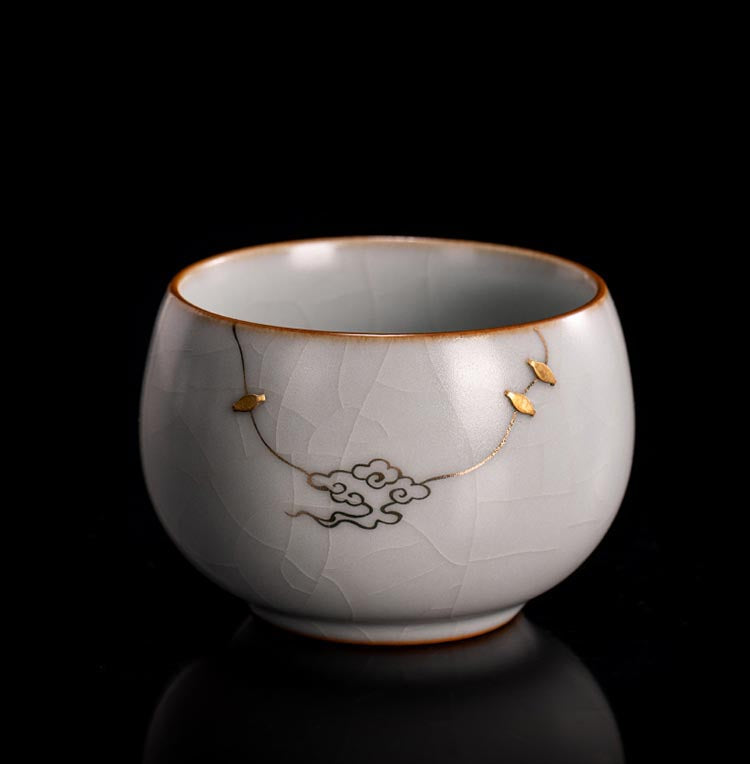
To understand the magic that a simple teacup can hold, one need only delve into the art of traditional teaware craftsmanship. In ancient China, where tea culture began its illustrious journey, a teacup was never just a vessel. The exquisite Ru ware, for instance, is revered for its lustrous glaze and subtle crackle patterns that appear over time. These cups were crafted by skilled artisans whose meticulous attention to detail turned every piece into a work of art. Imagine if these cups, too, could sprout legs and wander—what stories they might tell, having witnessed the evolution of tea rituals over the centuries.
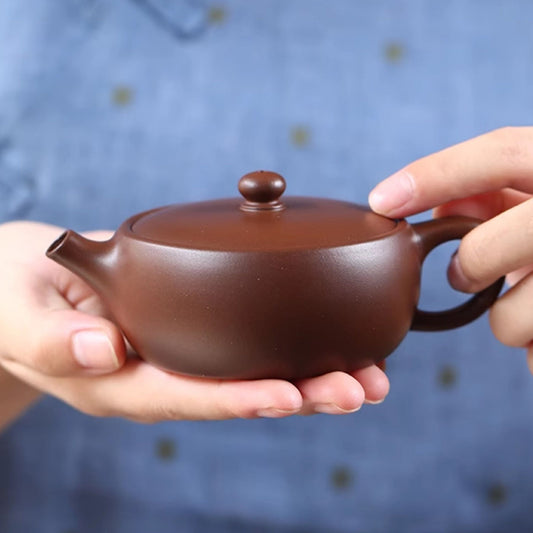
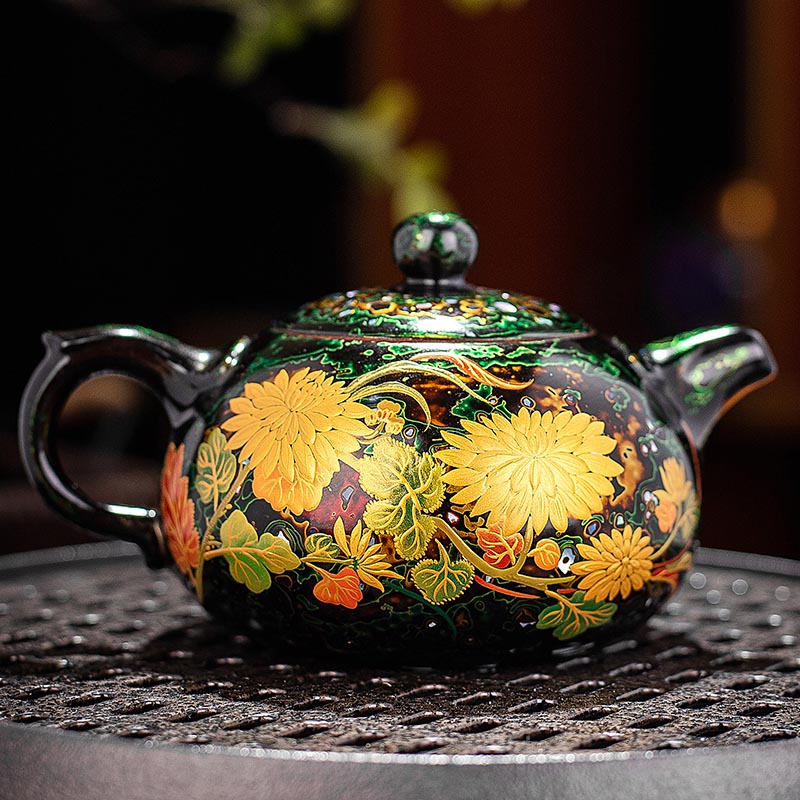
Then there’s the legend of the Yixing teapot, often hailed as the pinnacle of Zen-like artistry. Made from the unique purple clay of Yixing, these teapots are renowned for enhancing the flavor of the brew with every use, as the unglazed surface absorbs traces of the tea's essence. Such teaware speaks to a deeper connection between the user and the ritual of tea-making, much like how a levitating teacup on a Hogwarts desk would invoke the same sense of wonder and curiosity.
This seemingly fanciful concept of a teacup with legs is also reminiscent of the playful innovations seen in Japanese tea ceremonies. Unlike the strict formality associated with traditional ceremonies, some practitioners, especially in contemporary settings, infuse a sense of fun, much like the character and personality portrayed by a mobile teacup. In this context, the teacup becomes a dynamic participant in its own right, showing that even in a structured tradition, there's room for imagination and novelty.
As we muse on these magical teaware moments, it becomes clear that the charm of a Hogwarts-style teacup doesn't just lie in its whimsical animation but in its ability to bridge the extraordinary and the ordinary. It invites us to consider how objects in our everyday lives might transform with a touch of creativity and a sprinkle of magic. So the next time you sit down for tea, perhaps you'll find yourself wondering what stories your own cup might tell if only it had legs to wander.