Tea Saucers and Desserts A Harmony in Three Acts
Tea Saucers and Desserts A Harmony in Three Acts
I remember the first time I understood the delicate dance between tea, saucers, and dessert plates. It was at a friend’s home, a haven of aromas and textures. She had invited a few of us for a Sunday afternoon patisserie, complete with a selection of teas — a ritual she had brought back from a sojourn in Paris.
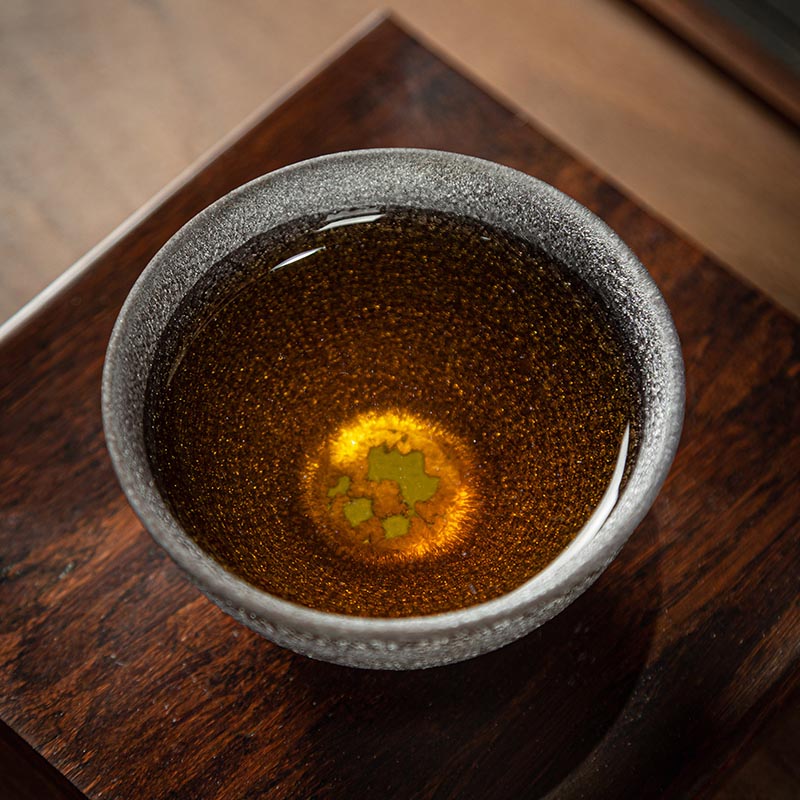
The table was set with a gentle elegance: porcelain tea cups, each nestled upon a saucer, and alongside, a small dessert plate carrying a miniature work of art, a lemon tartlette. The saucer and plate were not mere afterthoughts in this symphony but played their parts with grace and purpose.
The saucer, often overlooked, is a silent caregiver. Traditionally, it serves not just as a drip-catcher, but as a modest pedestal elevating the tea experience. History hints at its importance — in 18th century Europe, it was commonplace to pour hot tea into the saucer to cool it before sipping. The act is nearly forgotten today, but the saucer remains a steadfast companion, preventing spills and lending an air of sophistication.
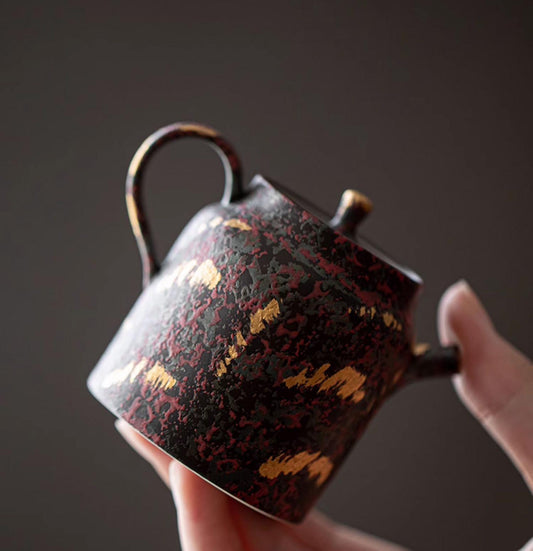
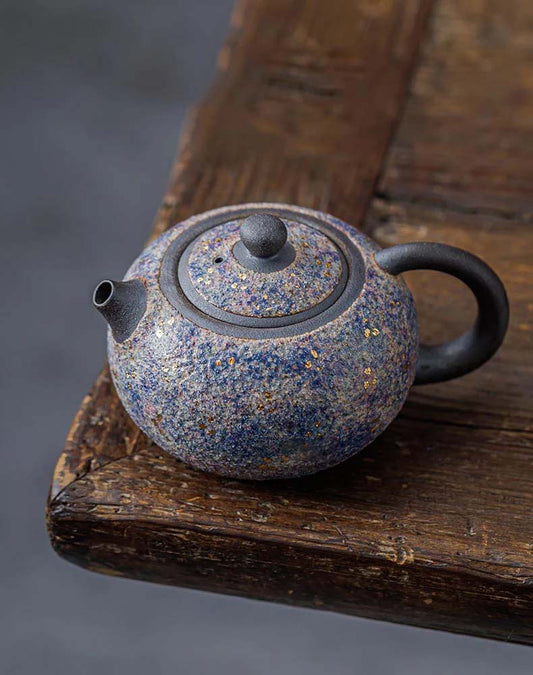
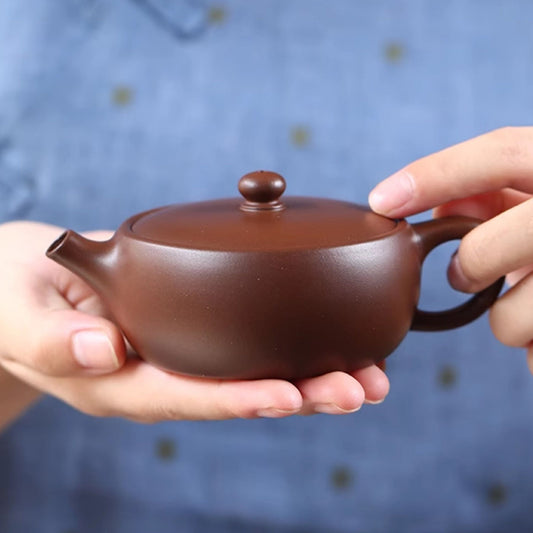
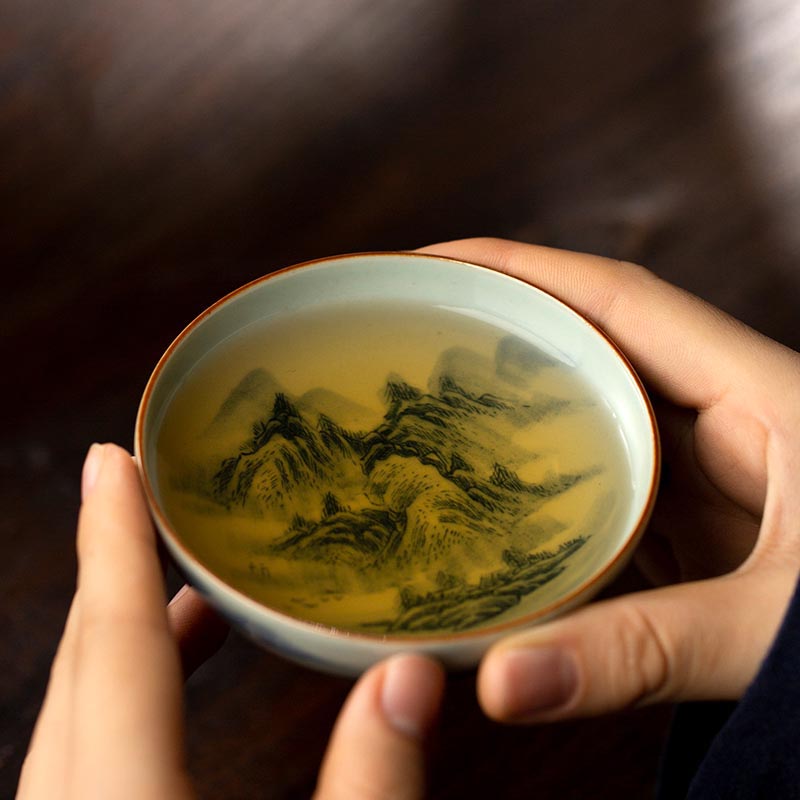
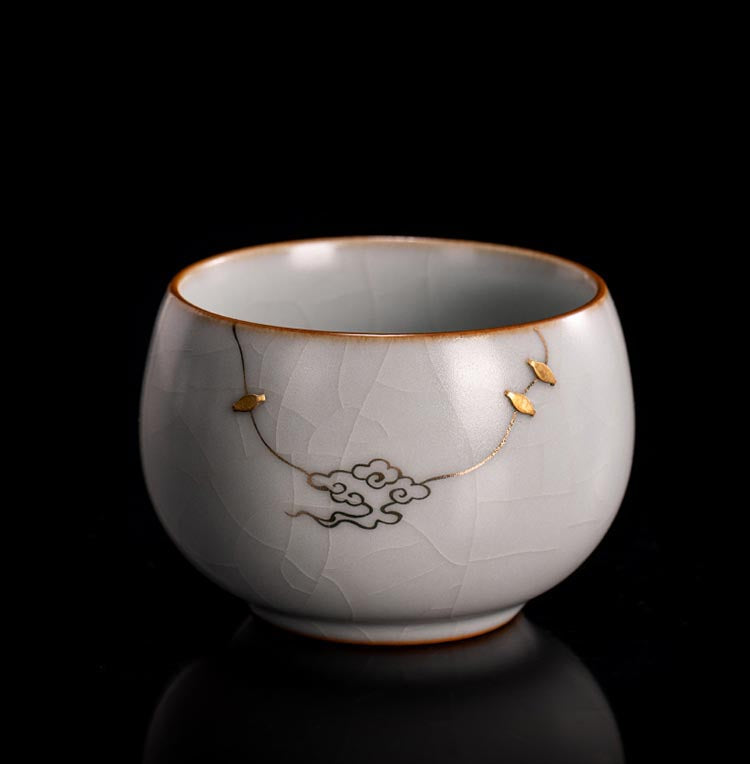
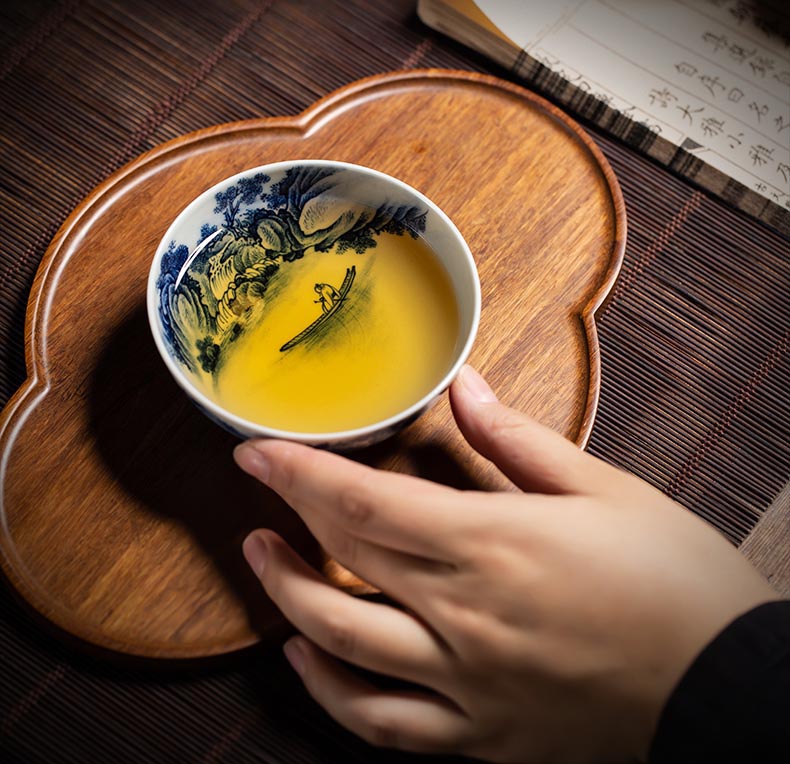
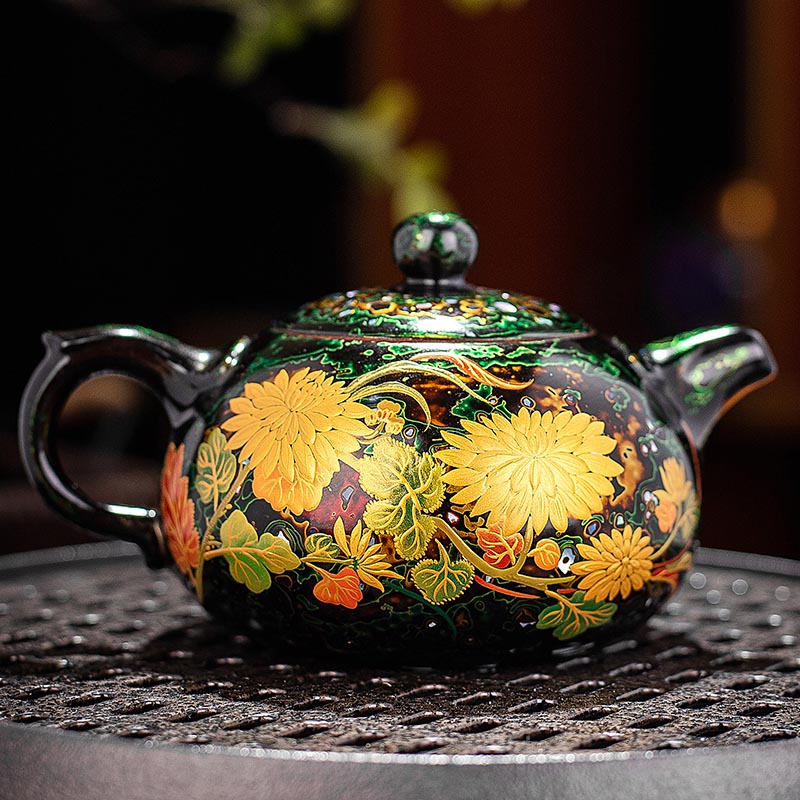
A look at a traditional European tea set reveals that craftsmanship varies by region. English porcelain, such as Bone China, is renowned for its strength and translucency, while German pieces might boast intricate hand-painted florals. In Asia, the Yixing teapots of China, though mostly unaccompanied by saucers, emphasize harmony and balance, where every piece is precisely crafted for slow, mindful brewing.
Then, the dessert plate enters, often complementing the tea’s profile. In France, tea might be accompanied by a financier or a macaron, not simply as a sweet treat, but as a note that enhances the tea’s flavor. Matcha, with its umami richness, pairs beautifully with wagashi, Japanese confections that offer a subtle sweetness and beauty in presentation. The intersection of tea and dessert is no accident; it is a curated experience where flavor and texture mingle softly.
For me, hosting such gatherings has become a form of storytelling. I’ve learned that choosing the right combination of tea, saucer, and dessert is akin to composing a piece of music. Each choice reverberates through the senses, a testament to the artistry of everyday objects and the joy of shared moments.
Next time you gather around a tea set, pause to appreciate the saucer and dessert plate. Let them tell their stories, of craftsmanship, culture, and the unseen threads that connect us to past and present. Isn’t it remarkable how something as simple as tea can bring us into a world of beauty and connection?