Storing Tea Cups and Saucers Without Chips or Odors Safely
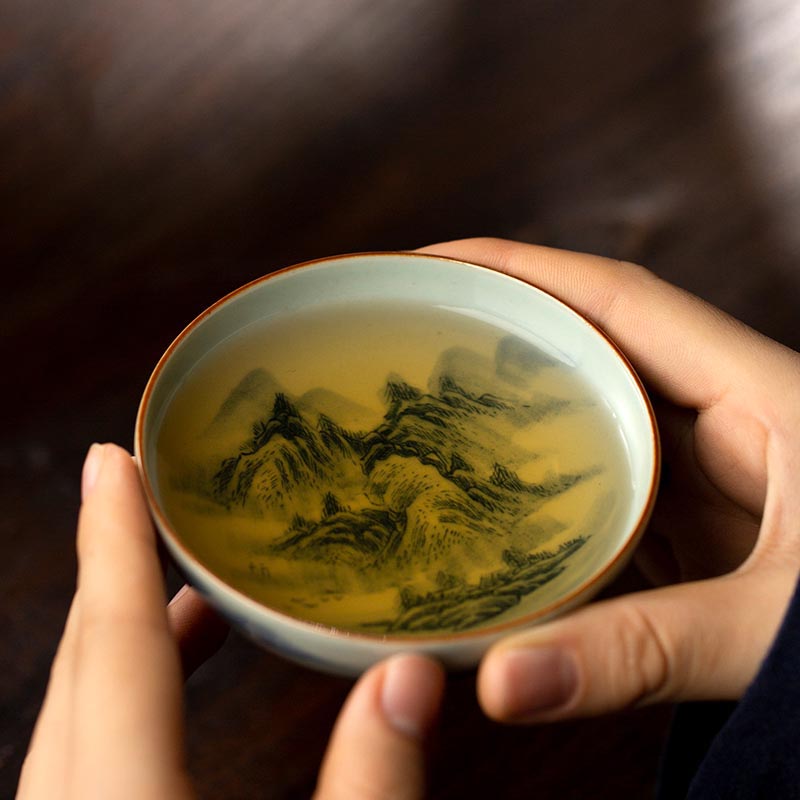
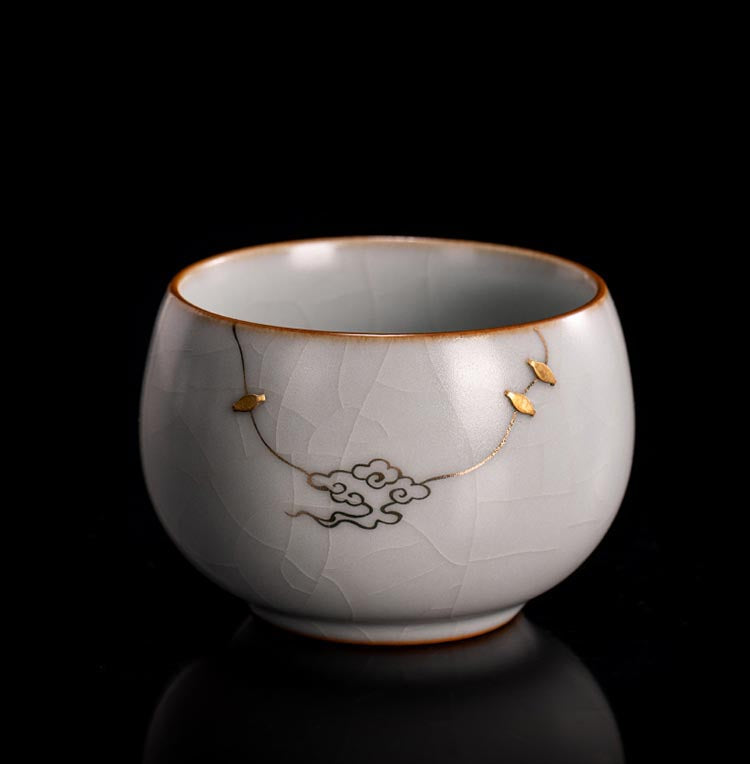
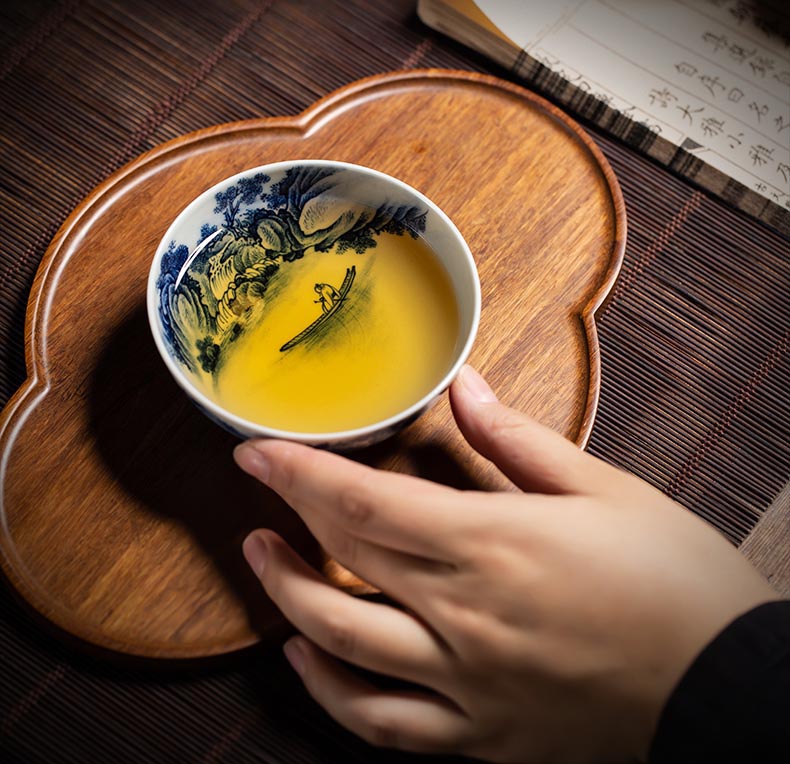
Tea cups and saucers are small, but they take up more attention than their size suggests. In a gongfu setup, the cups are handled again and again through the session. They are passed, warmed, emptied, set down, lifted. Because of that, how you store them is less about display and more about protecting the qualities that make them satisfying to use.
Porcelain cups, especially thin ones, chip most often at the rim and the foot. The rim is obvious, but the foot ring is just as vulnerable. If you stack them carelessly, that narrow ring grinds against the glaze inside the cup below. Over time you will see faint gray marks, then tiny bites out of the edge. I prefer not to stack at all if I can help it. A shallow cabinet shelf with enough height for two neat rows feels better than a tall stack. When stacking is necessary, a soft layer between them helps. A square of clean cotton cloth works well. Paper can trap moisture if the cups were not completely dry.
Complete dryness matters more than people expect. After washing, water hides in the seam where the foot meets the body, or along the inside curve where the wall meets the base. If you stack or store them in a closed cabinet too soon, that moisture lingers. Over time it can dull the glaze or leave a faint musty smell that only appears when you pour hot water in. I usually let cups air dry upside down for a while, then turn them upright and give them more time. Porcelain looks inert, but it responds to small habits.
With saucers, the question is whether you use them at all in daily tea. In many gongfu sessions they are not necessary. Small tasting cups sit directly on the tea tray. But if you use saucers, especially for larger cups or when serving guests unfamiliar with handling thin porcelain, store them flat, not leaning. Leaning saucers chip at the edge where they touch each other. The glaze at the lip is often slightly thinner. A simple stack with a thin cloth between each piece is enough. You do not need elaborate dividers, just a bit of thought.
Clay cups are different. Unglazed clay, like Yixing or other regional clays, is more forgiving about small knocks, but it absorbs. If you dedicate a clay cup to a certain type of tea, as some people do with teapots, make sure it is fully dry before putting it away in a closed space. Otherwise the absorbed moisture can sour. I avoid sealing unglazed cups in airtight boxes. A cabinet with some air movement is better. The clay benefits from breathing. The surface will slowly take on a softer sheen from handling. Rubbing against rough paper or crowded shelves interrupts that quiet change.
If you keep a set for guests and do not use it often, take it out once in a while. Rinse it, pour hot water through it, let it dry again. This is not ritual for its own sake. It keeps you familiar with the weight and balance. I have pulled down cups that looked perfect on a high shelf, only to notice that one wobbled slightly on its foot ring. A tiny chip I had missed changed how it sat on the tray. You feel that immediately when pouring from a fairness pitcher and setting the cup down with one hand.
Storage also shapes how ready you are to brew. When cups are tucked behind other objects, or wrapped too carefully, you hesitate to reach for them. I like to keep everyday cups within easy reach of the tea tray. Not displayed as decoration, just accessible. A low shelf near the kettle. Enough space that when you take one out, you are not grazing the rim against a teapot lid or knocking the spout of a gaiwan. These small collisions are what accumulate into visible wear.
Light matters in a quiet way. If you store fine porcelain in direct sun, the glaze can lose some of its depth over years. More practically, heat cycling from sun and cool evenings stresses thin pieces. A shaded cabinet is safer. It does not have to be precious, just stable.
There is also the simple discipline of not keeping more cups than you can care for. In tea gatherings, it is tempting to collect sets in different glazes, different kiln styles, different shapes. Tall, flared cups for aromatic oolong. Narrow ones for concentrating fragrance. Small, thick-walled cups for shu puer that hold heat. But each additional set asks for space and attention. If they are crammed together, none of them ages well. The foot rings scratch, the rims knock, and you begin to treat them as interchangeable.
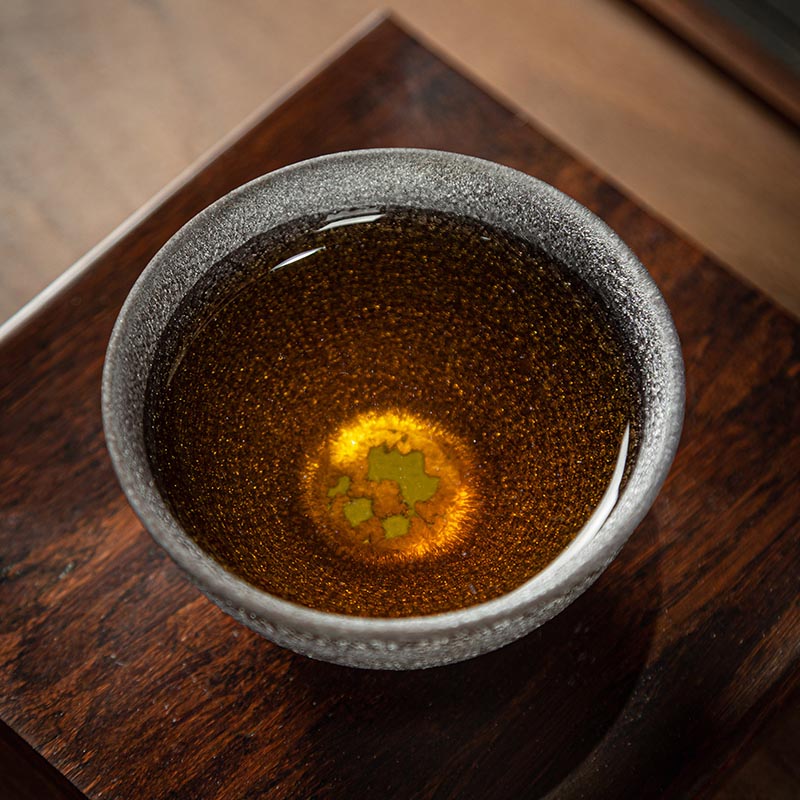
When you lift a cup during a session, you notice the slight resistance of the glaze against your fingertips, the way heat travels through the wall, the clean line where the lip meets your mouth. Those details are preserved or lost in storage long before the tea touches them. A chipped rim changes the way the tea enters. A roughened foot ring catches on the tea tray cloth. These are small things, but in repeated use they become the texture of your practice.
So I store cups and saucers simply. Clean, fully dry, not crowded, not sealed away from air, not exposed to harsh light. Close enough at hand that using them feels natural. They are not fragile treasures to be hidden, but they are not kitchen bulk ware either. Their size invites care. If you give them a little room and attention between sessions, they return it each time you pour.