Raw Pu-erh The Living Tea of Yunnan
Raw Pu-erh The Living Tea of Yunnan
In the world of tea, there are few experiences as dynamic and alive as savoring a cup of raw pu-erh. Originating from the misty hills of Yunnan, China, this tea holds within it the whispers of ancient forests and the patient labor of skilled hands. Unlike its cooked counterpart, raw pu-erh is a living entity that matures and changes flavor over time, akin to a fine wine.
Imagine standing at a bustling tea market in Yunnan, surrounded by the vibrant aroma of fresh leaves and the earthy scent of dried tea cakes. Here, raw pu-erh begins its journey, crafted from the sun-drenched leaves of the Camellia sinensis assamica plant. These leaves are plucked from the towering old-growth trees that have stood for centuries, their roots tangled in the rich, loamy soil of the region. With each sip, you’re not just tasting tea; you’re tasting the geography, history, and spirit of Yunnan itself.
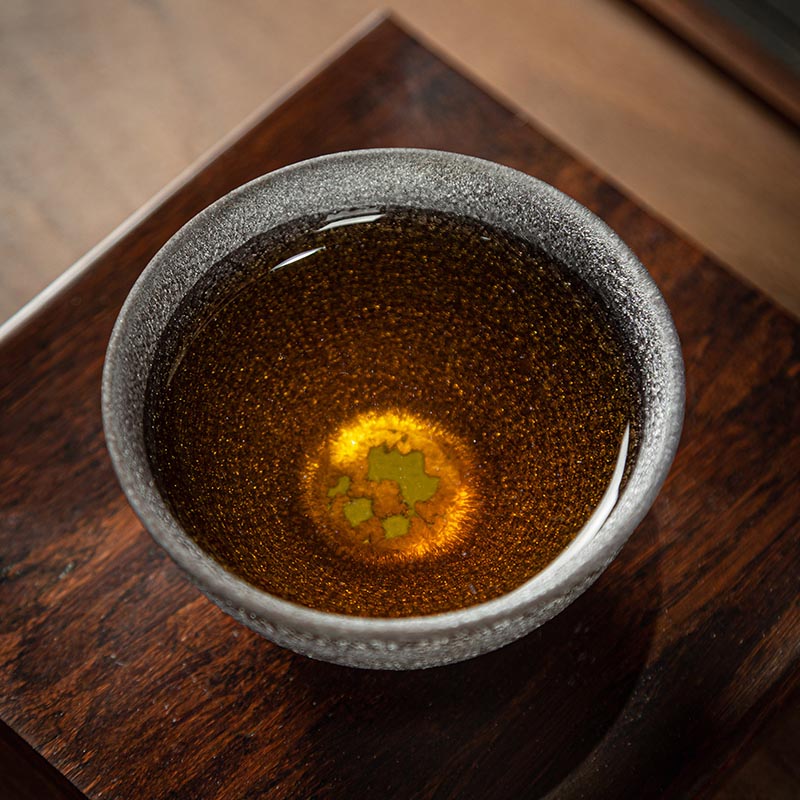
What sets raw pu-erh apart is its transformation over time. Initially, the tea presents bright, floral notes, and a subtle astringency—a bit like a shy smile of a new acquaintance. But with each passing year, the tea mellows and deepens, evolving into a full-bodied character reminiscent of dried fruits and forest floor. This transformation is a testament to its natural fermentation process, which continues long after the tea has been pressed into cakes. A true tea enthusiast finds joy in this waiting game, savoring the gradual unfolding of flavors as one might savor a well-aged bottle of wine.
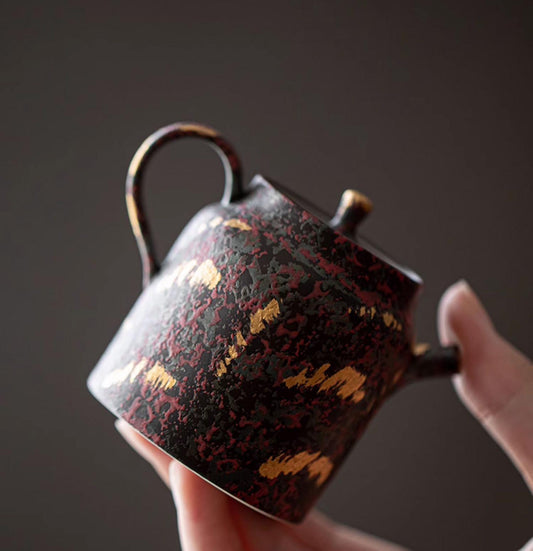
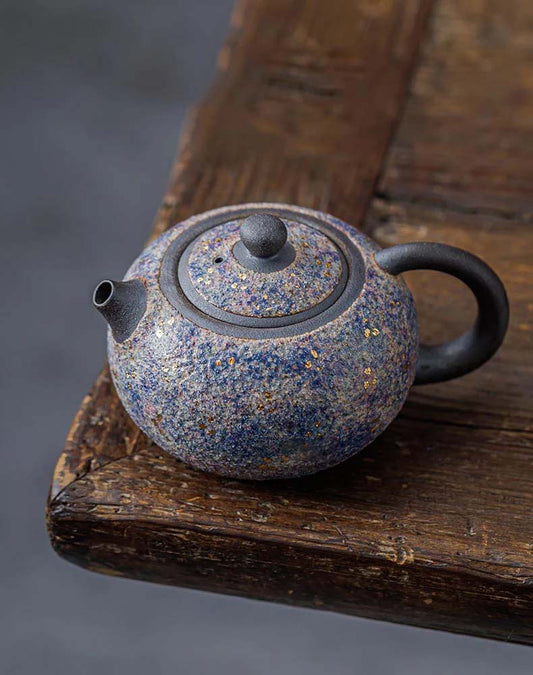
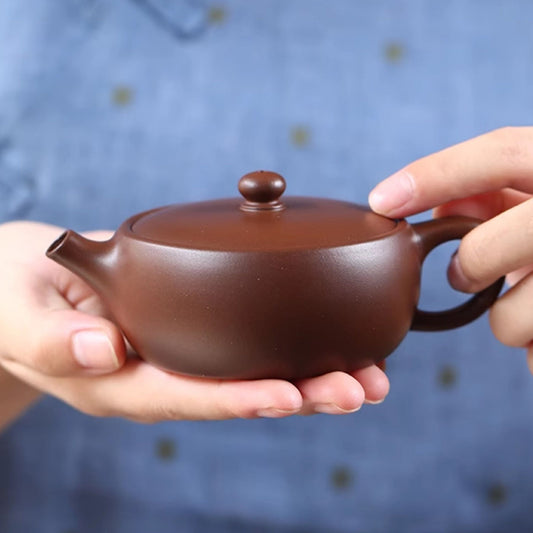
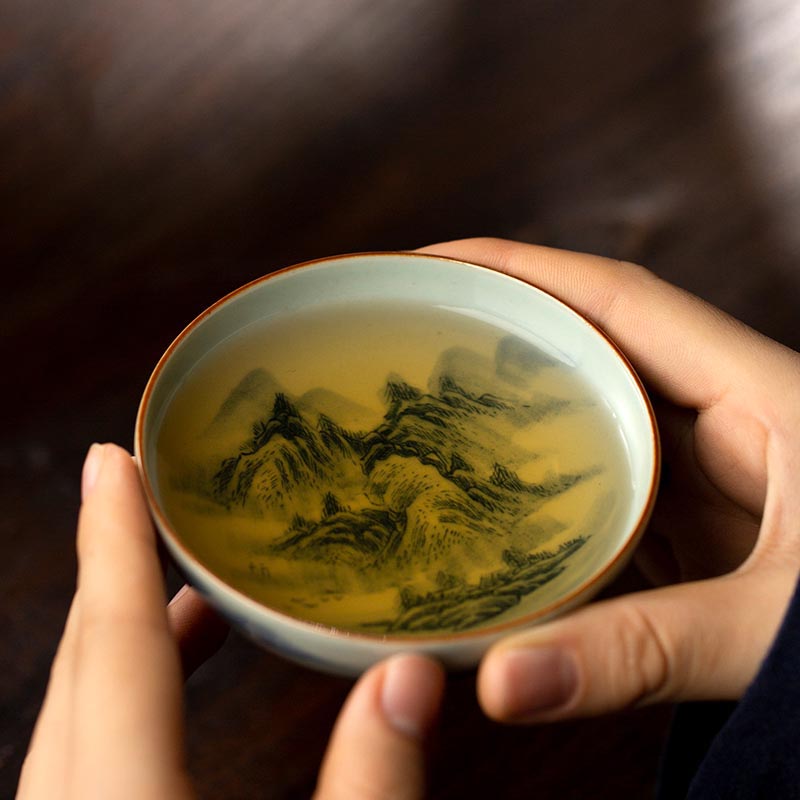
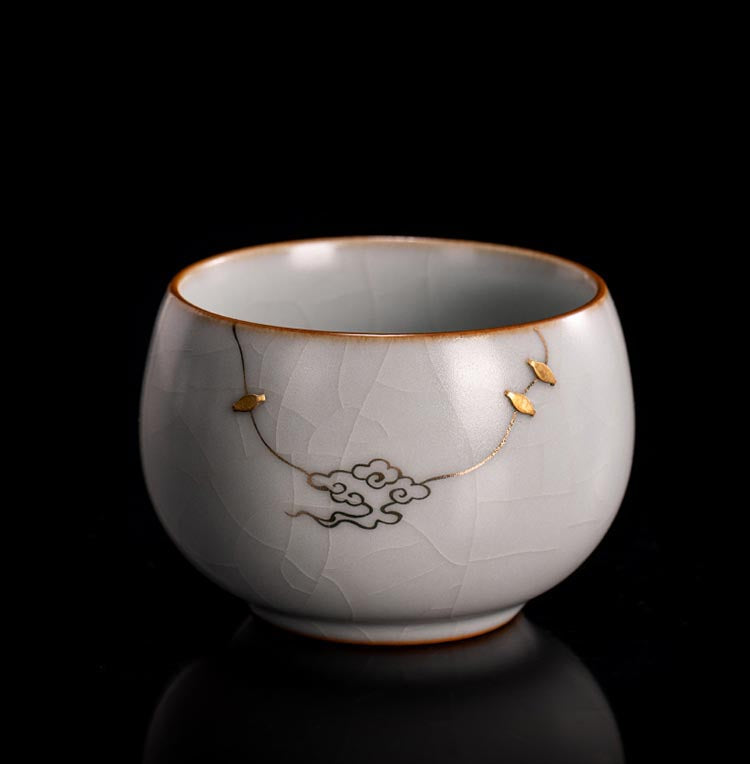
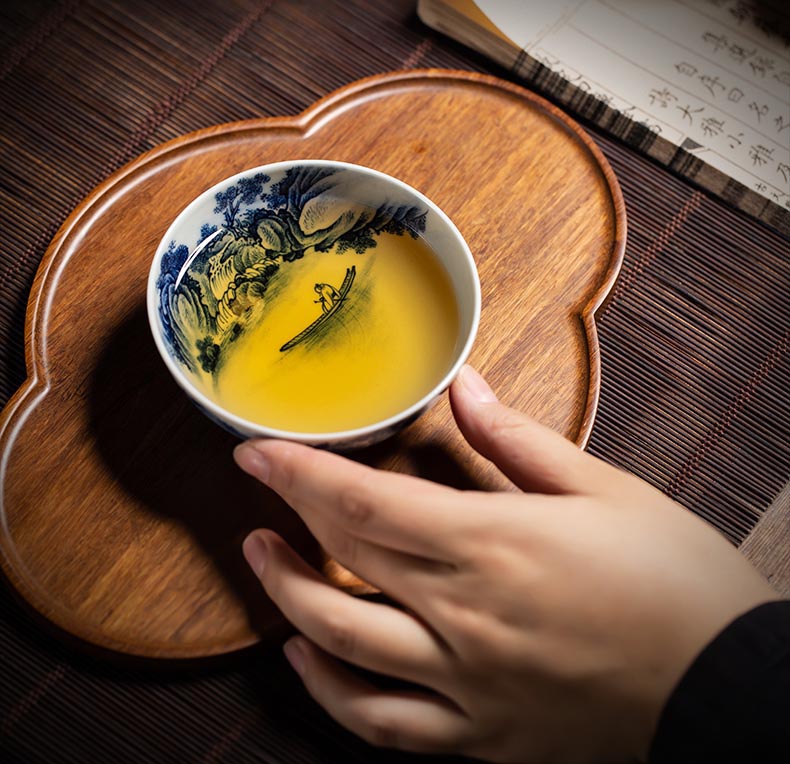
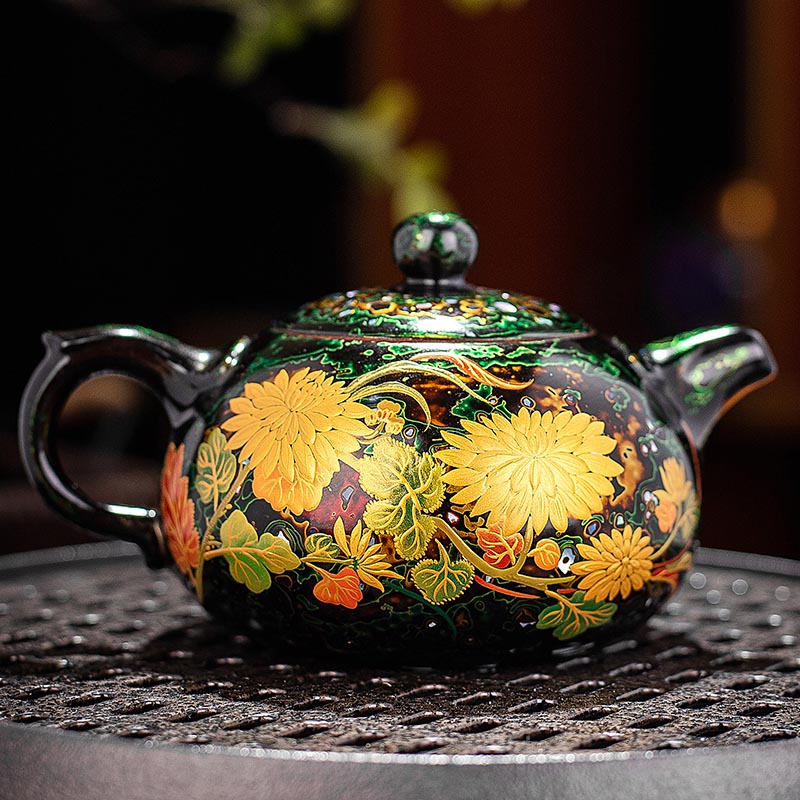
Brewing raw pu-erh is an art unto itself, a ritual that respects the tea’s heritage while honoring contemporary simplicity. A small Yixing clay teapot or a delicate gaiwan can serve as the vessel of choice. These traditional Chinese teaware pieces are not just tools but companions in the tea-making process. The porous clay of an Yixing pot absorbs the tea’s essential oils, creating an enriching layer of flavor with every use. Meanwhile, the gaiwan, with its elegant lid and saucer, allows for a tactile connection to the tea, letting you control the steeping process with a gentle, graceful hand.
The culture surrounding raw pu-erh invites us into a slower pace, asking us to pause and reflect. In a Western world that often prioritizes speed and efficiency, this tea encourages us to reconnect with the natural rhythms of time and patience. It's easy to find yourself lost in a meditative pour, listening to the quiet rustle of dry leaves unfurling into warm water.
Raw pu-erh is, in essence, a bridge between the present and the past, a reminder that simplicity and complexity can coexist. It’s a tea you don’t just drink but engage with—much like a good conversation that challenges you to see the world a little differently. And isn’t that what makes any experience worthwhile? So, the next time you find yourself craving something more than just a cup of tea, reach for raw pu-erh and let it teach you its subtle lessons about time, transformation, and the art of living.