Oriental Tea Sets A Journey Through Craftsmanship and Culture
Oriental Tea Sets A Journey Through Craftsmanship and Culture
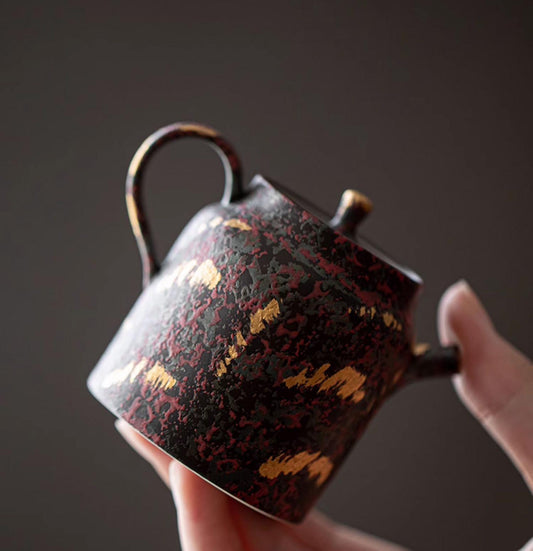
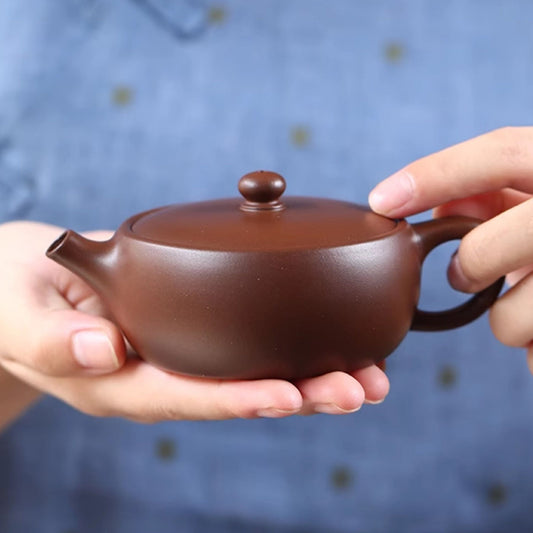
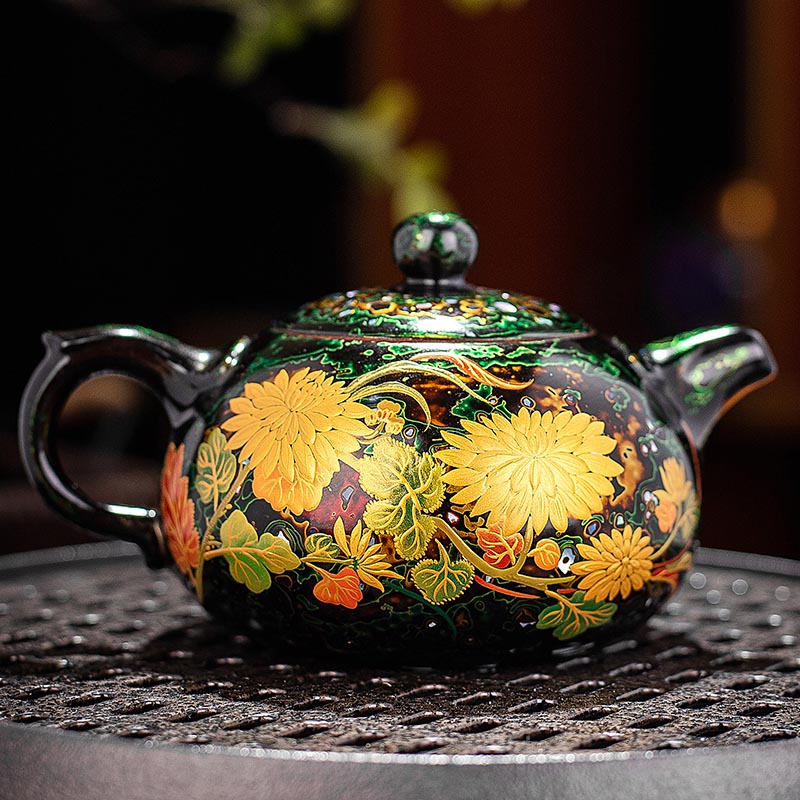
The first time I handled a Yixing teapot, I was captivated by its weight and texture—surprisingly earthy and intimate for something so elegant. With each curve shaped from zisha clay, these teapots are not merely vessels for tea but storied bridges between past and present. Originating from Jiangsu province in China, Yixing teapots have been crafted since the 15th century, and their unglazed surfaces develop a unique patina over time, enhancing the flavor of the tea with each use. It’s said that after years of brewing, some teapots gain the ability to brew tea with just hot water, the clay mirroring flavors absorbed over decades.
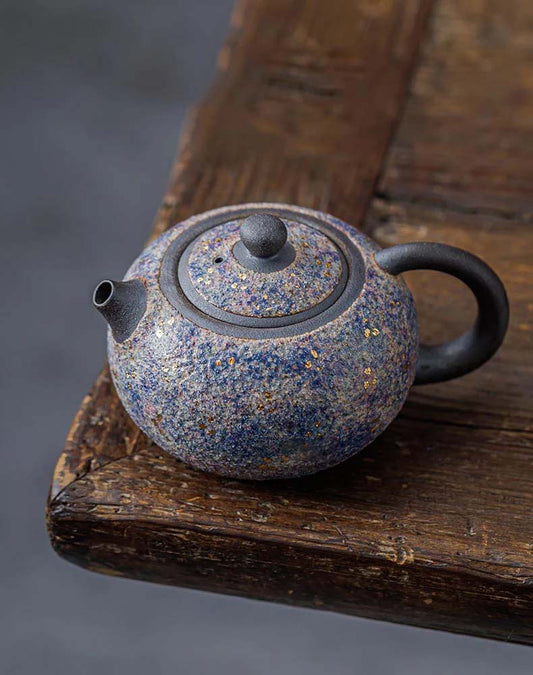
This transformative beauty is not limited to Yixing craftsmanship. Across the East China Sea, Japanese tea culture introduces us to the simplicity of the kyusu—an unassuming teapot with a side handle, perfect for brewing Japanese green teas. The simplicity of Japanese design is deceptive; it holds deep philosophical roots in wabi-sabi, the art of finding beauty in imperfection. Each kyusu, often crafted from Tokoname clay, carries a unique touch from its maker. It’s not just a tool; it's a silent partner in the meditative practice of steeping and savoring tea.
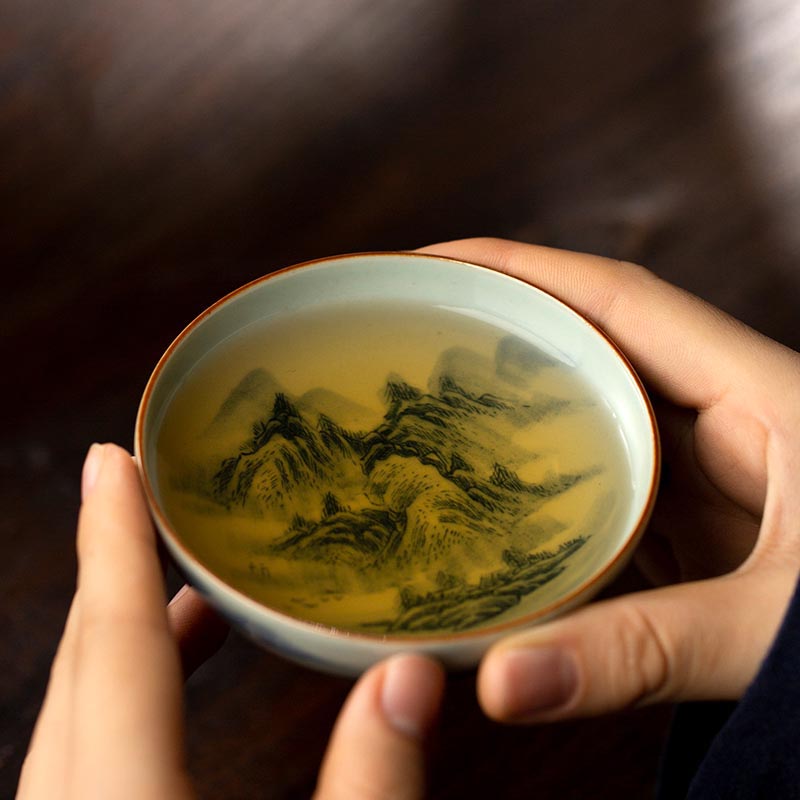
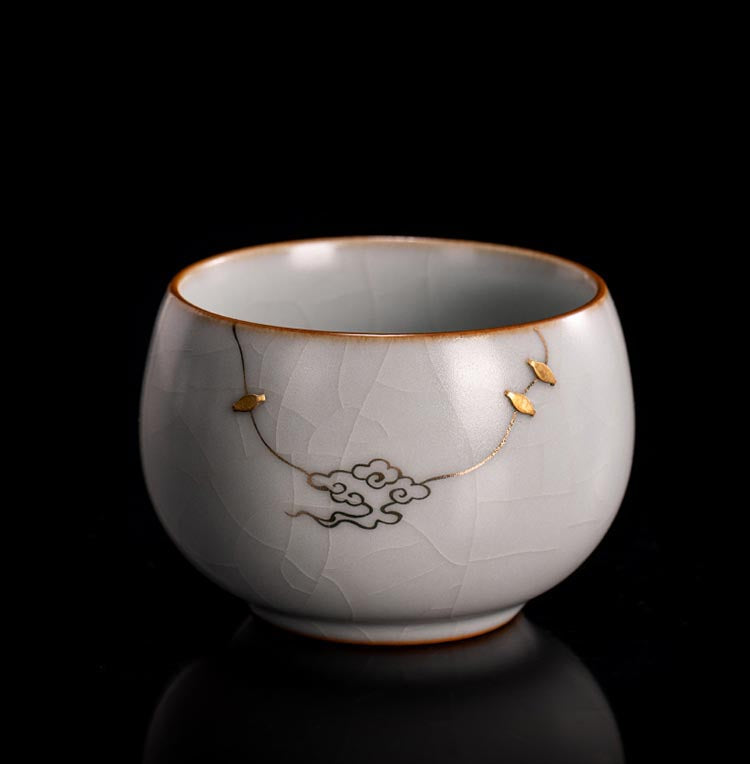
In Korea, tea sets have historically been simpler, often made from porcelain or celadon. The aesthetic is minimalist, using natural colors that reflect the landscape. Korean tea culture places a harmonious emphasis on the synchronization of mind and surroundings, and their tea sets echo this sentiment. The pieces often come in muted tones, exuding a calmness that seems to slow down time itself. The act of brewing tea here isn’t merely about the beverage but about achieving a balance between nature, man, and the cherished simplicity of life itself.
The stories told by these oriental tea sets aren’t just about the material or the methods in which they’ve been made. They speak to the cultural philosophies and historical contexts of their origins, carrying whispers of countless generations. Each piece, whether it's the robust Yixing, elegant kyusu, or serene Korean set, provides a tactile link to the past, inviting one to participate in a timeless tradition.
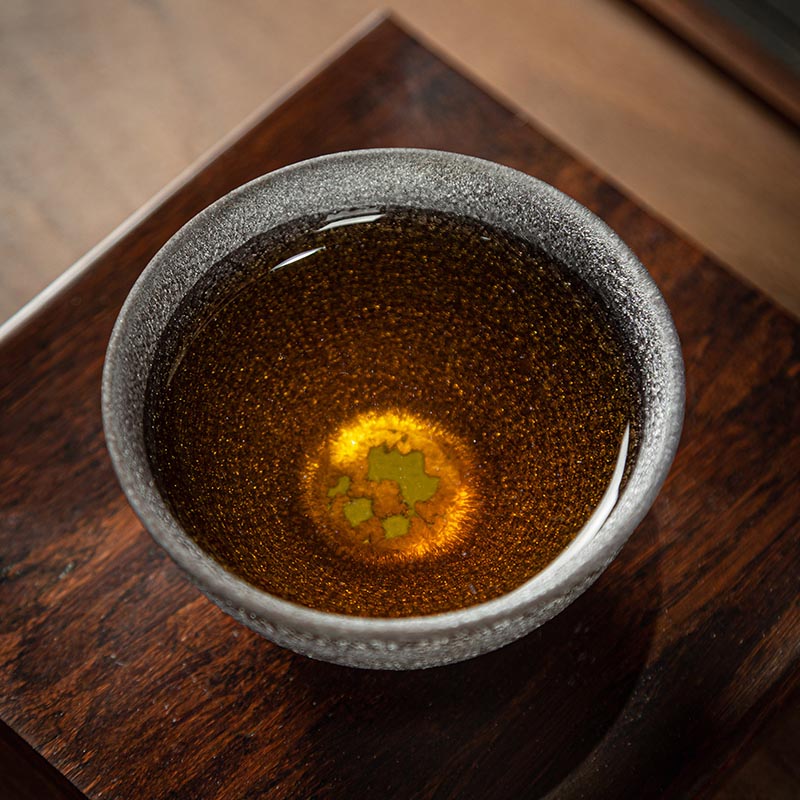
Once, I was gifted a small Jian Zhan cup, a striking piece of Chinese teaware with its bold, rainbow-like glaze. The cup's origins can be traced back to the Song Dynasty, where tea competitions were won not by taste alone, but by the beauty the foam left inside the cup. Handling this cup, with its metallic sheen and vibrant streaks, feels like embracing a piece of history—a reminder that even in a world that moves ever faster, the art of appreciating the moment remains unchanged.
When you hold an oriental tea set, you hold more than just clay, earth, and craftsmanship. You embrace a narrative, an invitation to explore a rich tapestry of culture, history, and human connection—one sip, one story at a time. These vessels carry an ancient legacy, effortlessly bridging the gap between eras and reminding us that in the intricacies of teaware lies the simple joy of understanding life’s subtleties.