Choosing the Perfect Solo Gongfu Tea Set for Home Brewing
A tea set for one person can be surprisingly modest. A small teapot, a cup, maybe a fairness pitcher if you want more control over each infusion. That is enough. When I brew alone, I rarely feel the need for the full spread you might see at a group tasting. What matters more is how the pieces work together in a tight, almost private rhythm.
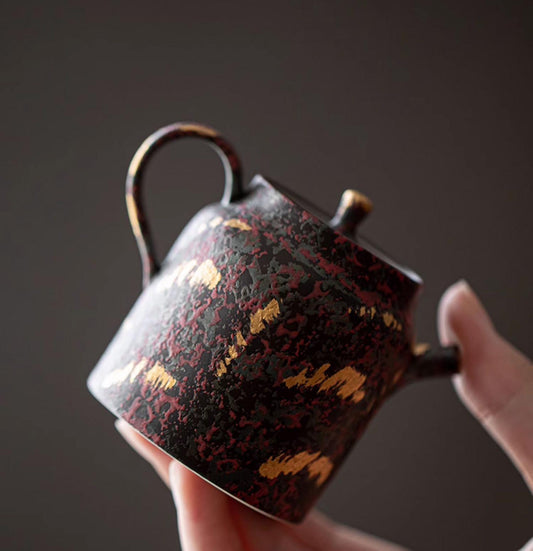
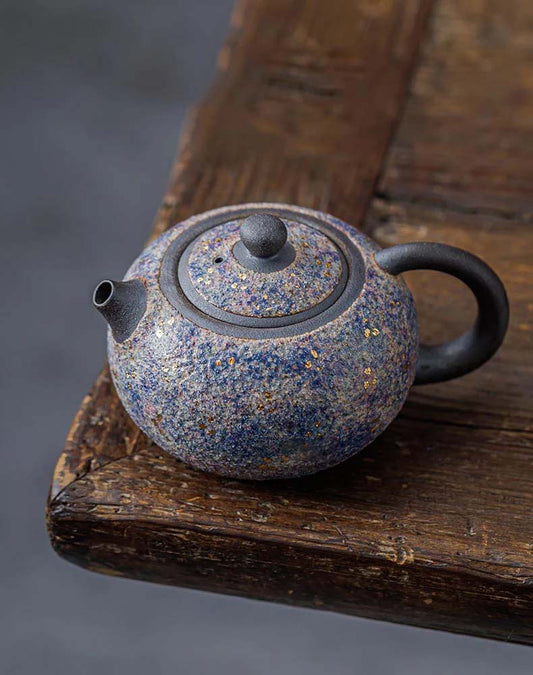
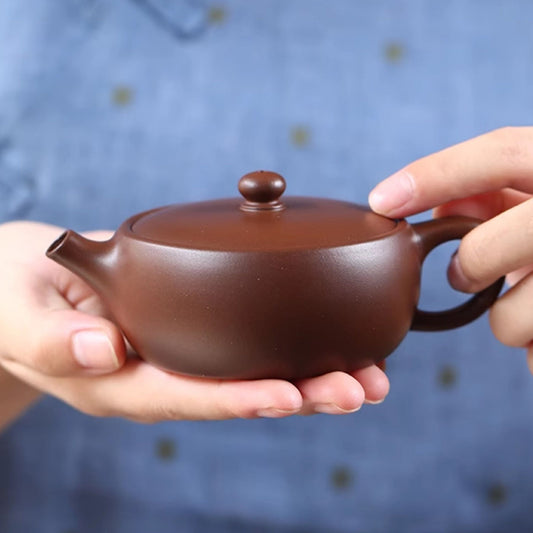
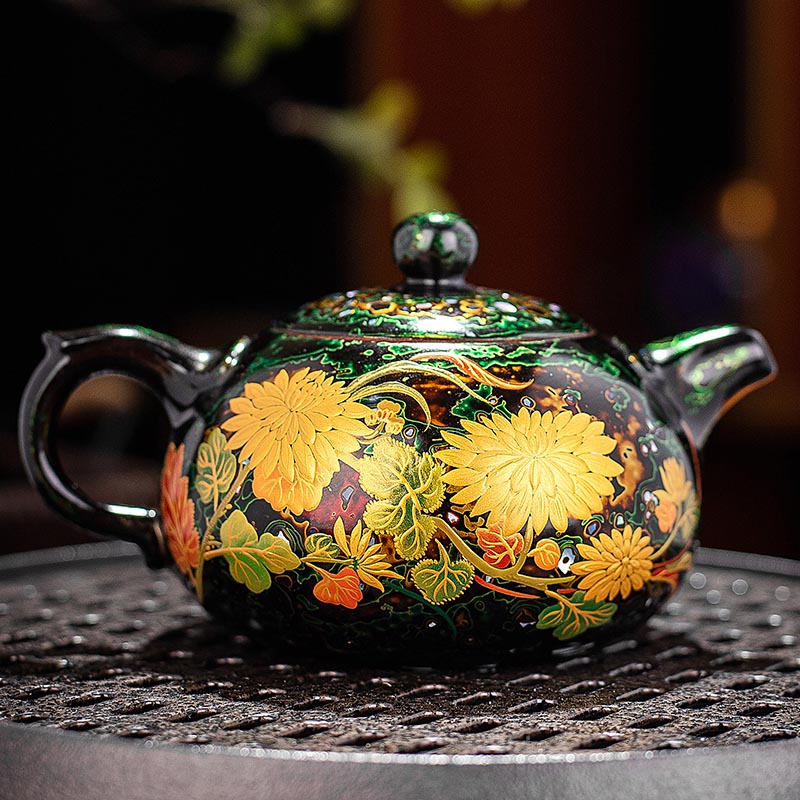
For gongfu brewing, a one-person set usually centers on a small pot or a gaiwan, often under 120 milliliters. At that size, the leaf has room to open, but the liquor moves quickly. A well-made Yixing pot at that scale feels compact in the hand. The handle should allow two fingers to rest comfortably, without crowding. When you tilt it, the balance should shift forward smoothly, not tugging at your wrist. If the lid fits properly, you can feel a slight resistance as it settles into place. Some lids make a soft, clean click when they close. It is a small sound, but when you hear it repeatedly, day after day, you notice.
The spout matters more than people expect. For solo brewing, I prefer a quick, decisive pour. A narrow, well-shaped spout gives a tight stream that does not splash into the cup. If the cut of the spout is too flat, the stream breaks and drips along the underside. After a few sessions, you end up with tea stains on the tray and a sticky foot ring. With a good pour, the stream arcs cleanly and stops without a trailing drip. That control shapes the session. You can empty the pot fully, which keeps the infusions consistent and prevents bitterness from lingering leaves.
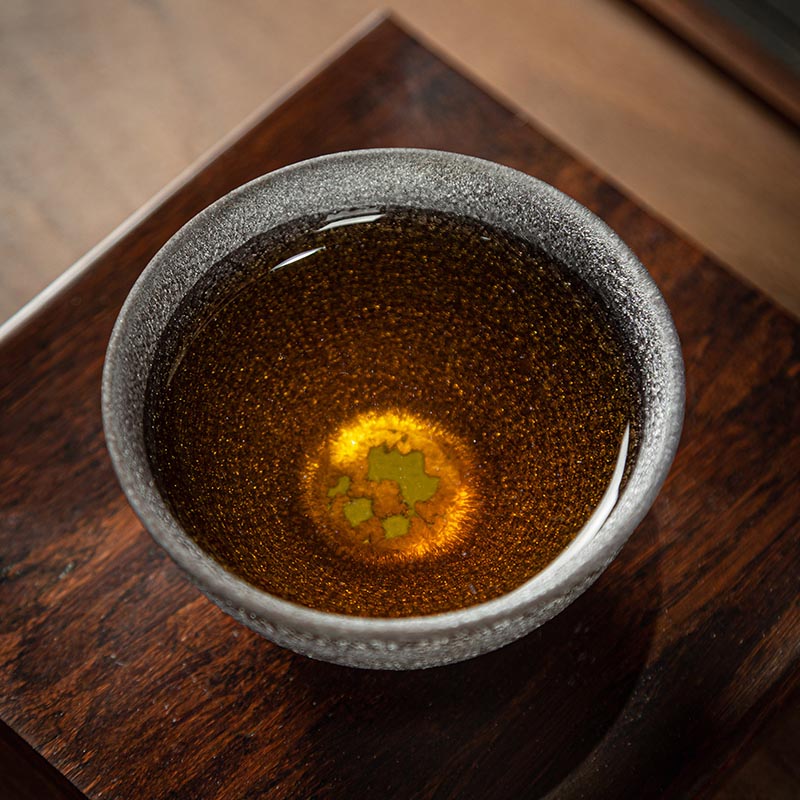
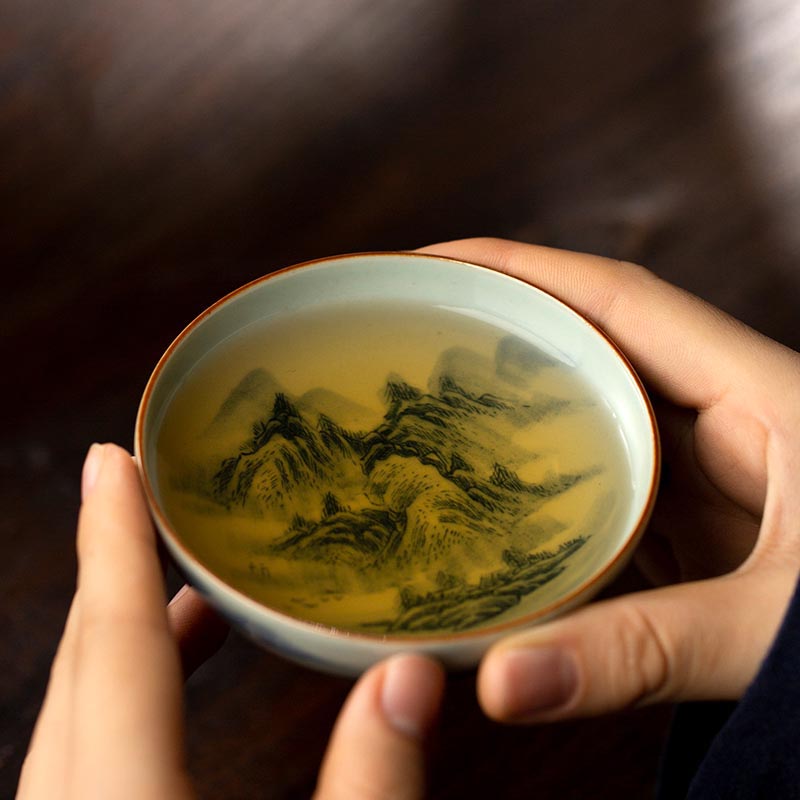
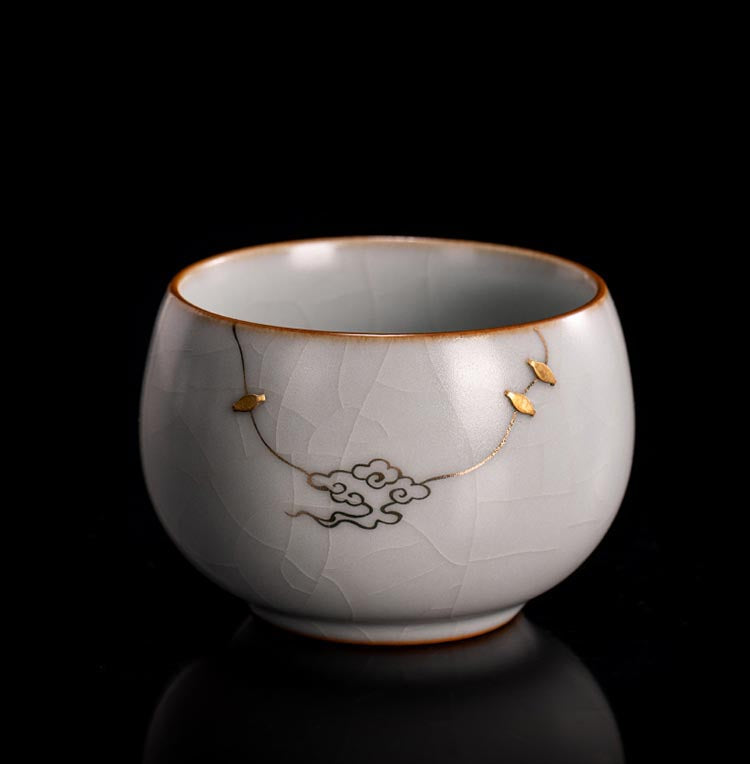
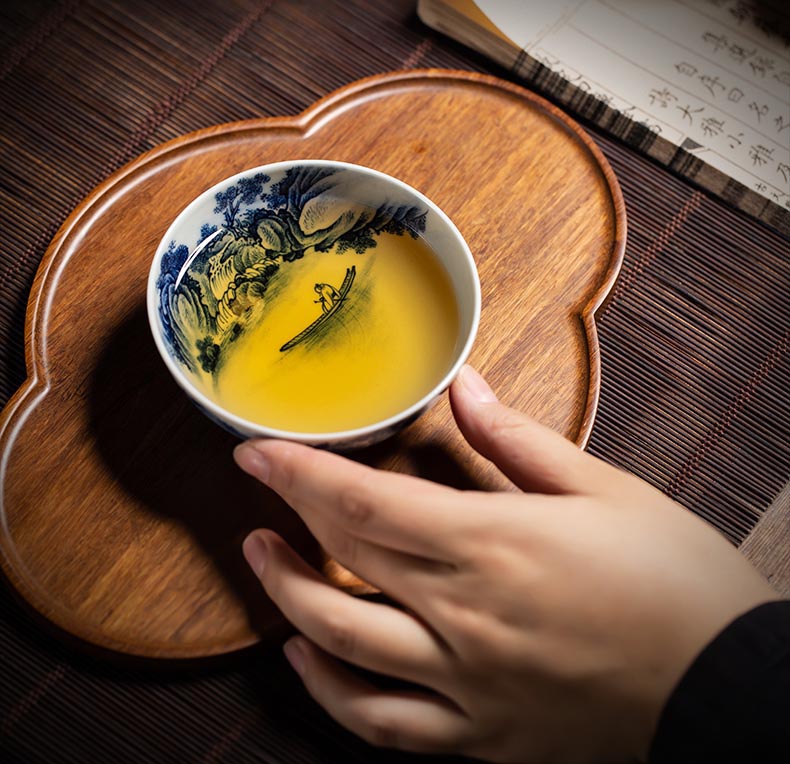
Some people prefer porcelain for a one-person set, especially for greener teas or fragrant oolongs. Thin porcelain has a clarity to it. When you hold the cup, the walls warm quickly but do not stay hot for long. You can feel the temperature drop between sips. In the right light, the glaze has a soft sheen, not glossy like factory dinnerware but slightly muted, especially in handmade cups. The foot ring might show a faint roughness where it was trimmed. That texture against the pad of your finger becomes familiar over time.
A single cup changes the pacing. When brewing for several people, you are watching everyone’s level, making sure each cup is even. Alone, you can pour directly from pot to cup, or through a small fairness pitcher if you want to moderate strength. The fairness pitcher in a one-person set is less about fairness and more about control. It lets you stop the extraction precisely and decant everything before the next steep. It also cools the liquor slightly, which can be useful with young sheng or roasted oolong.
I find that a one-person tea set shows wear more honestly. A Yixing pot that is used daily develops a softer surface. The clay darkens subtly where your fingers rest on the handle and lid knob. It is not a dramatic transformation. More like a quiet polish from repeated touch. Porcelain cups pick up faint tea stains along the interior curve. Some people scrub them away. Others let them build slowly, a record of what has been brewed.
Storage becomes part of the picture too. When you are brewing for yourself, you tend to reach for smaller amounts of leaf. A modest tea caddy that seals well is enough. I prefer ceramic jars with a good inner lid. When you lift the lid, there should be a slight resistance from the trapped air, a soft release. That tells you the seal is doing its job. The leaves inside should smell focused, not dulled by kitchen air.
Cleanup is simpler with a one-person set, but it is also less forgiving. If you leave spent leaves in a small pot too long, the scent lingers. With Yixing, you do not use soap, so you rely on thorough rinsing and air drying. I usually leave the lid slightly ajar so the interior can breathe. A compact tea tray is enough, just large enough to catch overflow and give you space to rest the lid and cup. It does not need carving or elaborate drainage. It needs stability and a surface that will not warp with water.
There is something clarifying about brewing for one. You notice how the lid shifts if you tilt the pot too far. You notice how the cup feels different in winter when the room is cold and the porcelain cools faster. You become aware of how much leaf you actually need. The set becomes tuned to your hand, your pace, your tea.
A tea set for one person is not a lesser version of a larger arrangement. It is more direct. The proportions are tighter. The feedback is immediate. When the pot pours cleanly, when the cup fits your fingers without thought, when the leaves open just enough in that small chamber, you feel it right away. There is no audience to impress, no symmetry to maintain across multiple cups. Just the quiet sequence of rinse, steep, pour, sip, repeat, until the flavor thins and you are done.