Chinese Tea The Artistry of Loose Leaf
Chinese Tea The Artistry of Loose Leaf
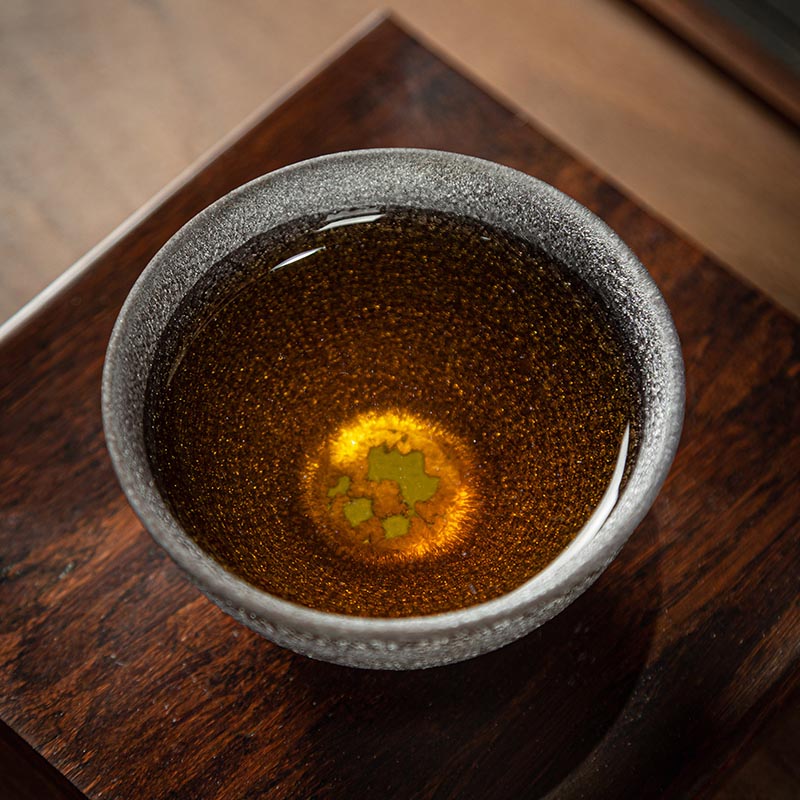
If you’ve ever had the pleasure of watching loose leaf tea unfurl in a teapot, you’ll understand why tea is often described as a dance of leaves. There’s a quiet drama in the way tightly rolled leaves gradually reveal their secrets, imparting flavors that have been carefully nurtured by nature and perfected by human hands over centuries.
Chinese loose leaf tea offers a tapestry of stories and sensations. Take, for instance, Dragon Well, or Longjing, a revered green tea from Hangzhou. Its flat, sword-like leaves might give away little at first glance, but once introduced to water, they release a chestnut aroma that hints at bamboo groves and warm summers. It’s said that Emperor Qianlong, disguised as a commoner, once visited the West Lake region and was so enchanted by the tea that he bestowed imperial status upon it.
Travel south to Fujian, and you’ll find Tieguanyin, an oolong named after the Iron Goddess of Mercy. The tale of Tieguanyin tells of a humble farmer who maintained a neglected temple dedicated to the goddess. His devotion was eventually rewarded with a splendid tea plant, offering a nectar that sings with floral notes and echoes of stone fruit.
The craftsmanship behind loose leaf tea is as essential as the terroir. Masters who create teas like Tieguanyin undergo an intricate process of withering, tossing, and oxidizing to coax out nuanced flavors. It’s a skill passed down through generations, embodying a patience and respect for nature’s cycles. Each batch is slightly unique, a reflection of the changing seasons or the subtle differences in each artisan’s touch.
Then there are teas like pu-erh, from the remote hills of Yunnan, where leaves are pressed into cakes and aged like fine wine. Their flavor deepens over time, offering earthy notes that speak of forests and ancient soil. Sharing a cup of pu-erh often feels like sharing history; each sip is a bridge across time, connecting you to dynasties and traders, to a world where tea was currency and symbol of sophistication.
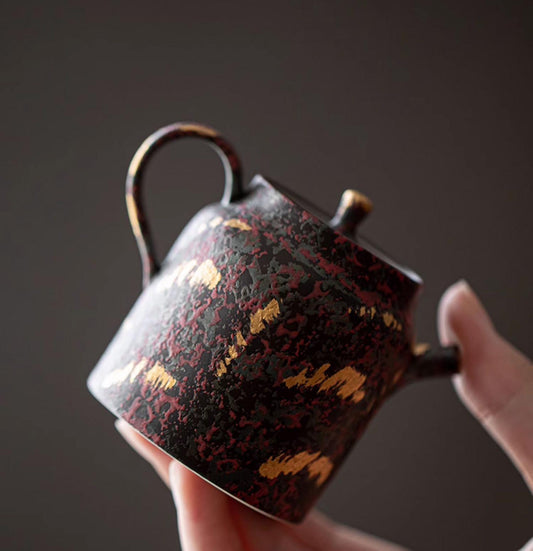
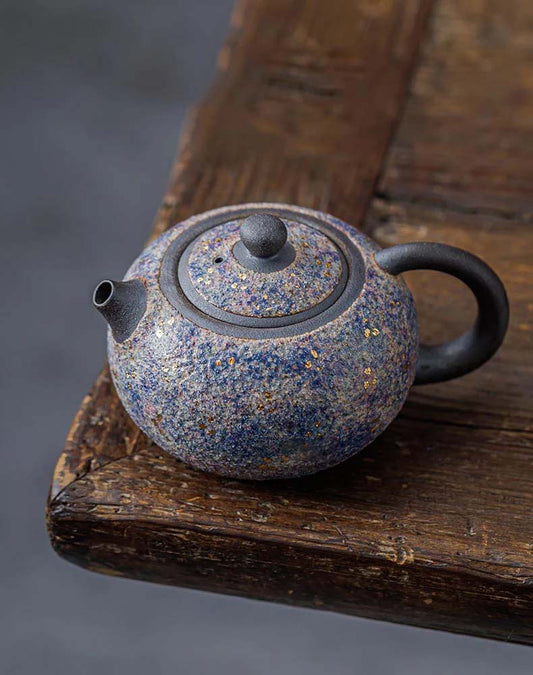
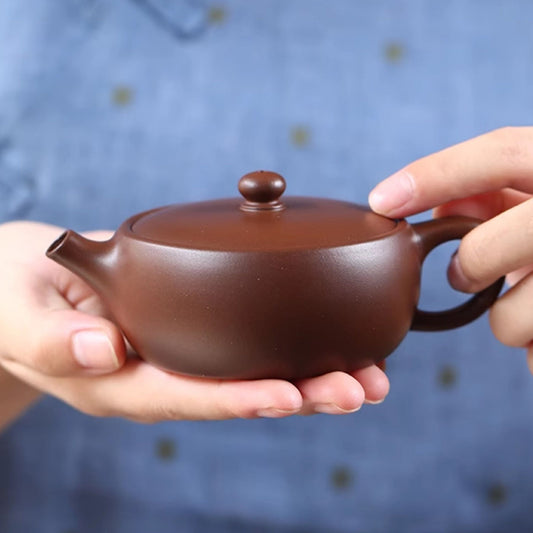
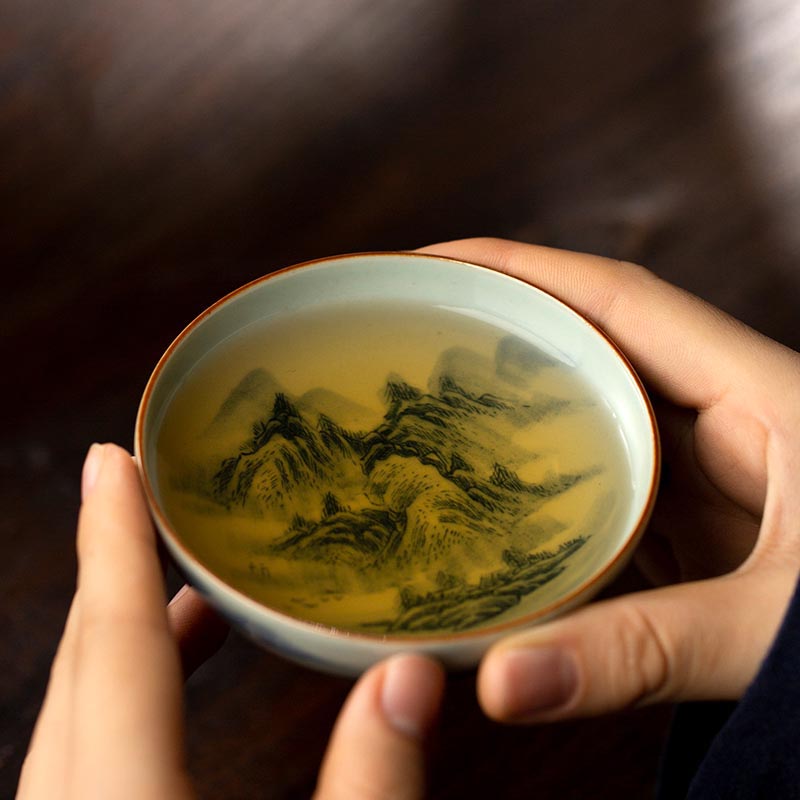
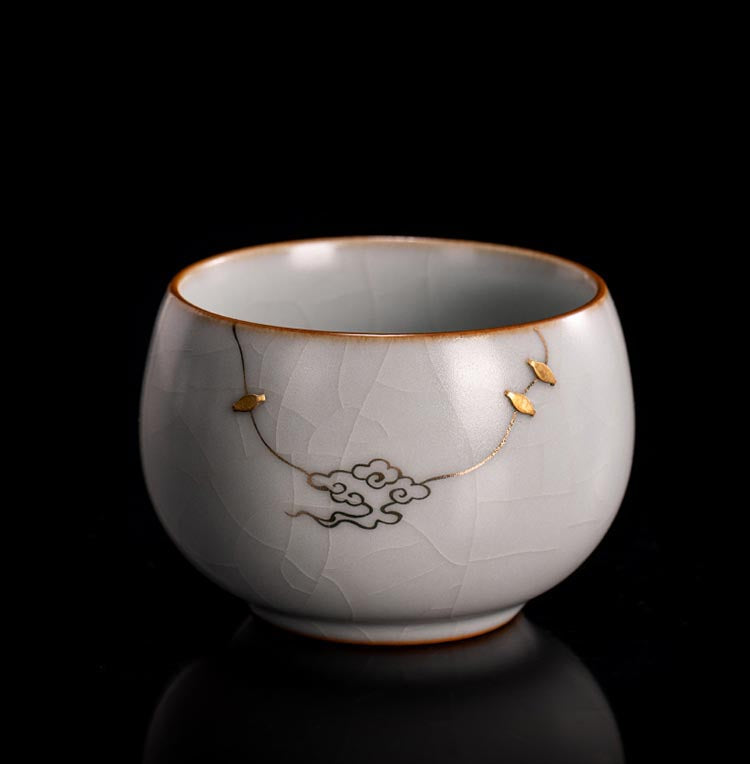
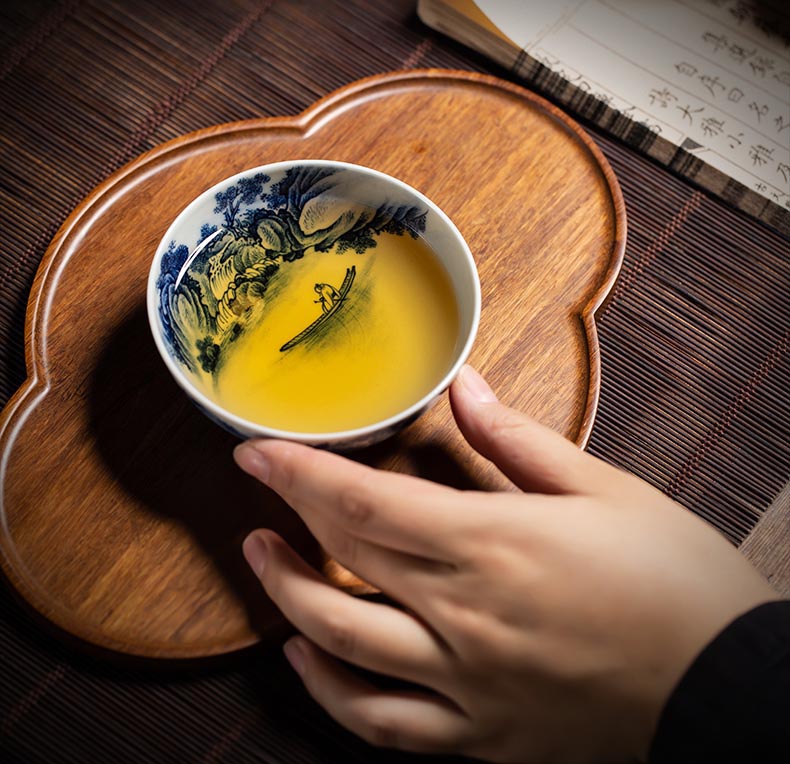
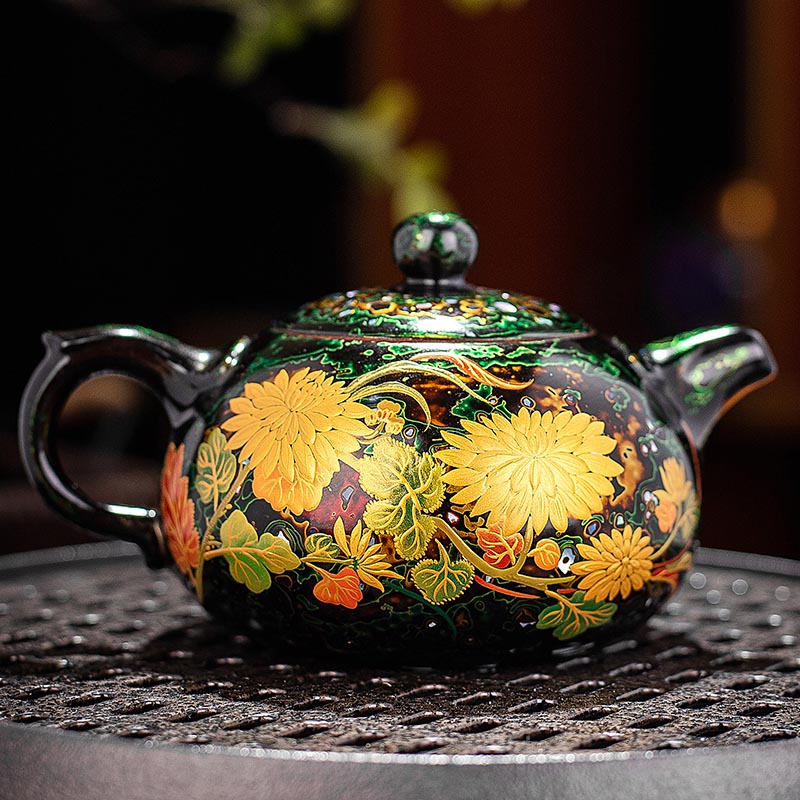
The teaware you choose to accompany these leaves plays a surprisingly expressive role. A gaiwan, a three-piece lidded bowl, offers a direct interaction with the tea — from the aroma rising as you lift the lid to the warmth felt through its delicate porcelain. In contrast, a Yixing teapot, made from the unique clay of Jiangsu, develops a patina over time, each brew leaving its mark, enhancing and deepening the next infusion.
Different teas, different stories, and yet a universal truth in each — good tea, like good company, is cherished for both its simplicity and its depth. As you sit with a cup of Chinese loose leaf tea, think of the human hands that have shaped these leaves and the rich traditions they carry. In that moment, perhaps, tea becomes more than a drink; it becomes a form of quiet connection to a world both ancient and living.