Chinese Clay Tea Sets A Fusion of Earth and Tradition
Chinese Clay Tea Sets A Fusion of Earth and Tradition
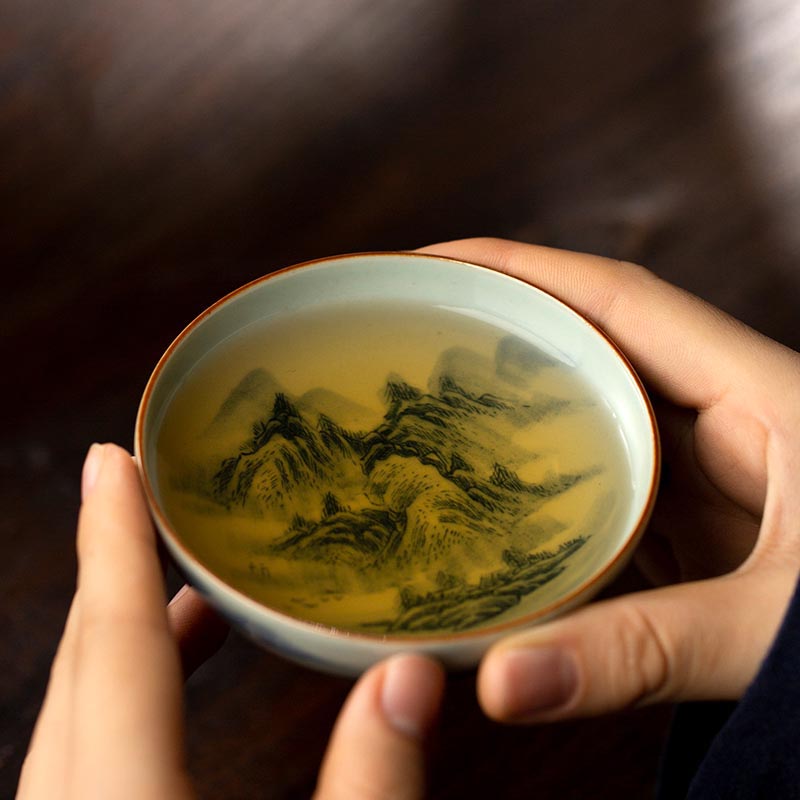
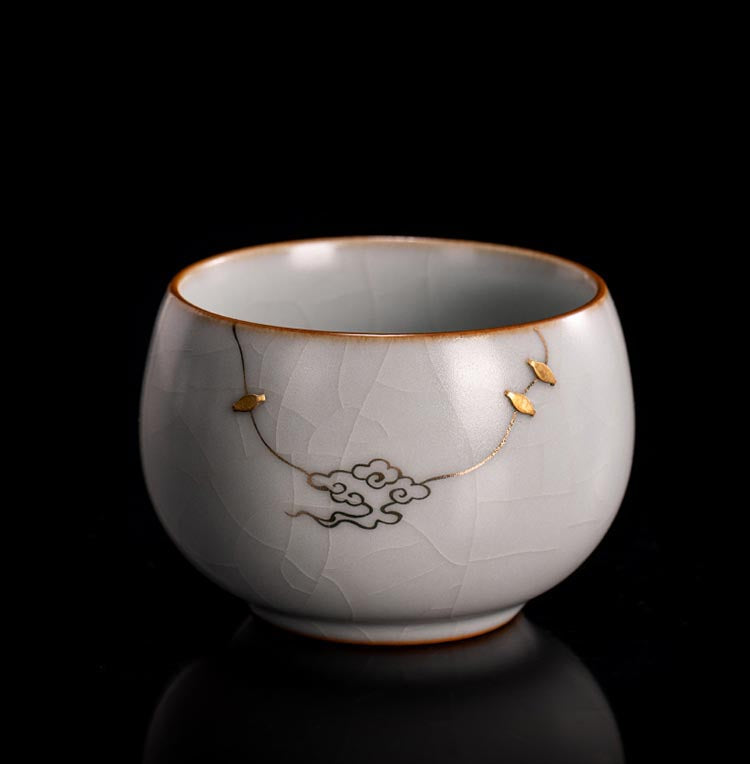
Among the many treasures of Chinese culture, the humble clay tea set holds a special place. It's more than just a collection of pots and cups; it's a journey into a world where the earth’s natural gifts are shaped by human hands into vessels of cultural significance. In a Western kitchen, it might seem like an exotic artifact, but for those who delve into its history, it becomes a bridge to understanding the intricate tapestry of Chinese tea culture.
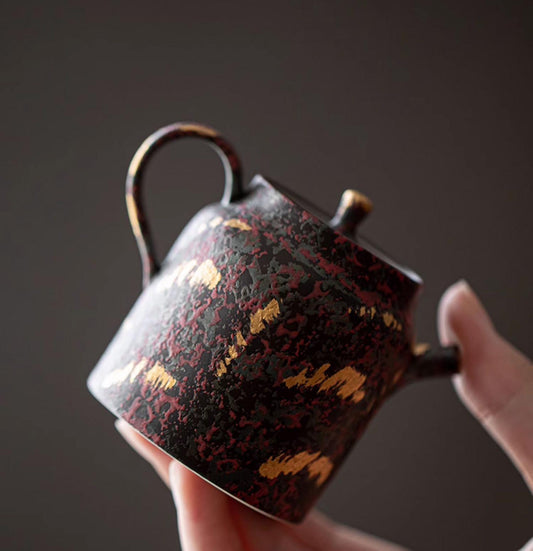
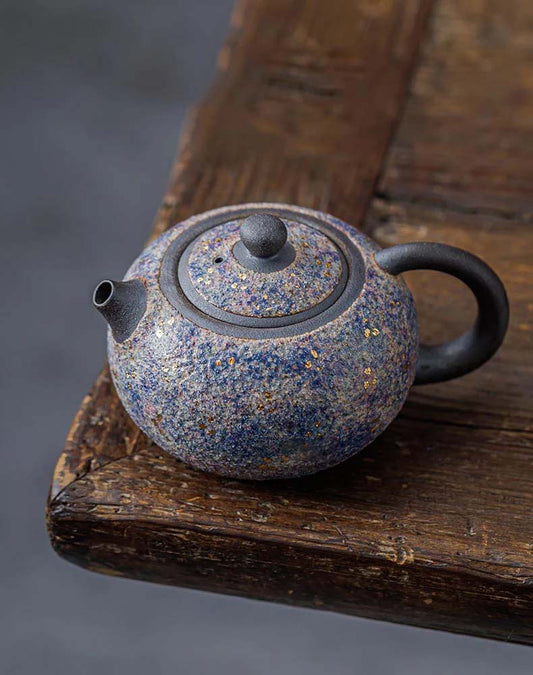
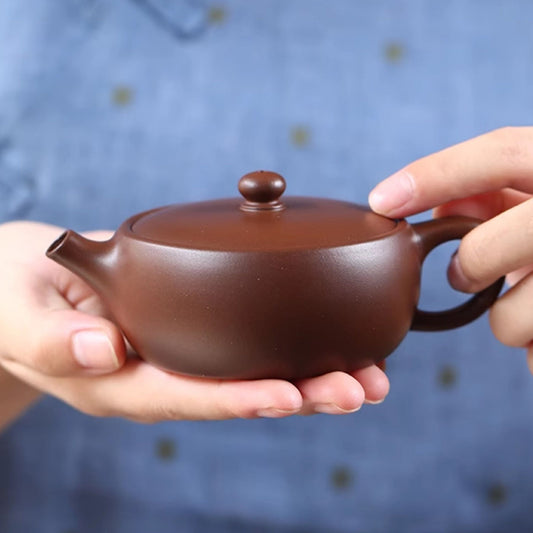
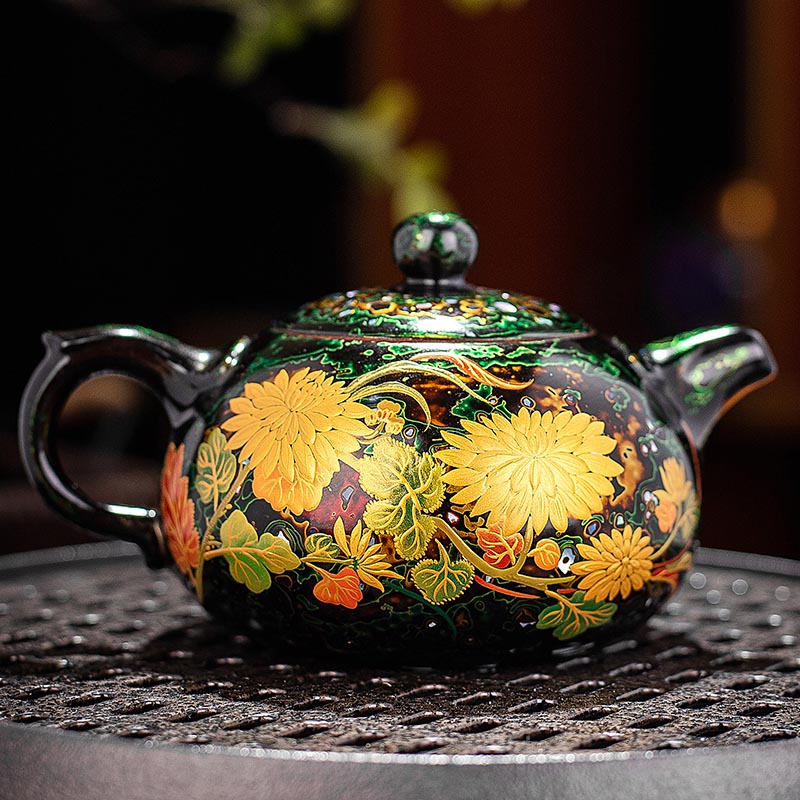
Each Chinese clay tea set begins its life from the rich clays of regions like Yixing, where the zisha, or purple clay, brings a distinctive character to the teawares made from it. This clay is celebrated for its porous nature, which allows it to absorb the aroma and flavor of tea. There’s an old saying that if you brew tea often enough in an unglazed Yixing teapot, you can taste the tea just by adding hot water to the pot. This characteristic not only enhances the tea's flavor but also weaves a narrative of beverages past, etching stories into the very fabric of the clay.
Crafting a clay tea set is nothing short of an art form. A skilled artisan must master the balance of form and function, ensuring that each piece, though simple in appearance, is a harmonious blend of aesthetic beauty and practical utility. The process is painstaking, often involving multiple firings in the kiln, each with its own trial of temperatures and techniques. This craftsmanship is passed down through generations, often within families, where the rhythm of the wheel and the whisper of the kiln become as familiar as a heartbeat.
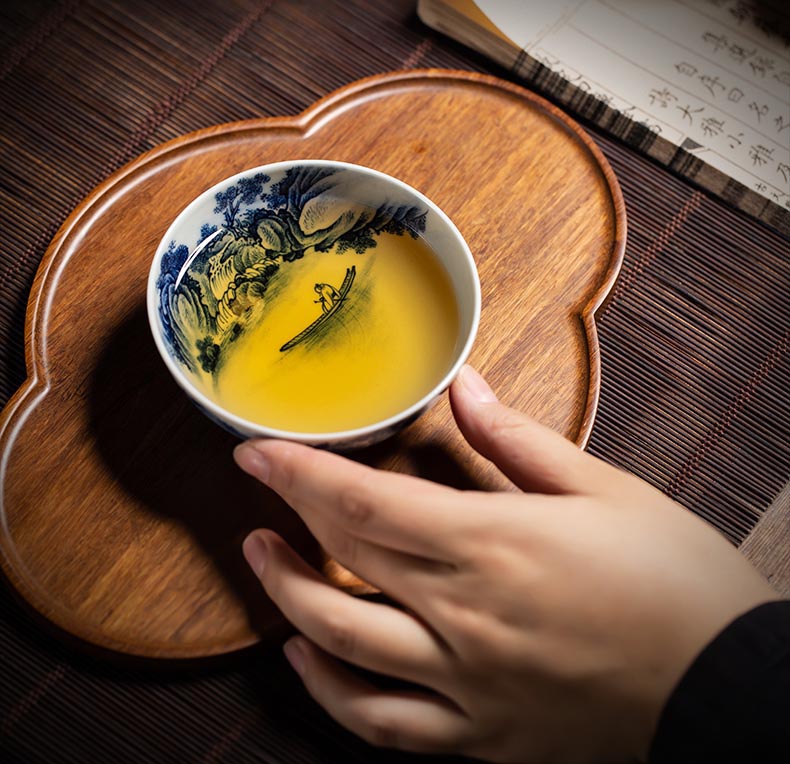
But the connection to the past is not solely in the craft's techniques; it resides in the very act of using these tea sets. Imagine a small gathering, perhaps in a quiet corner of a garden, where the sunlight dances through the leaves and the air is rich with the scent of blooming jasmine. The host gently pours the tea, steam curling upwards, and invites the guests to partake. This ceremony, whether formal or casual, is steeped in centuries of tradition, reinforcing bonds among the people present and connecting them to a lineage that stretches back to the Tang Dynasty, when tea became an integral part of Chinese life.
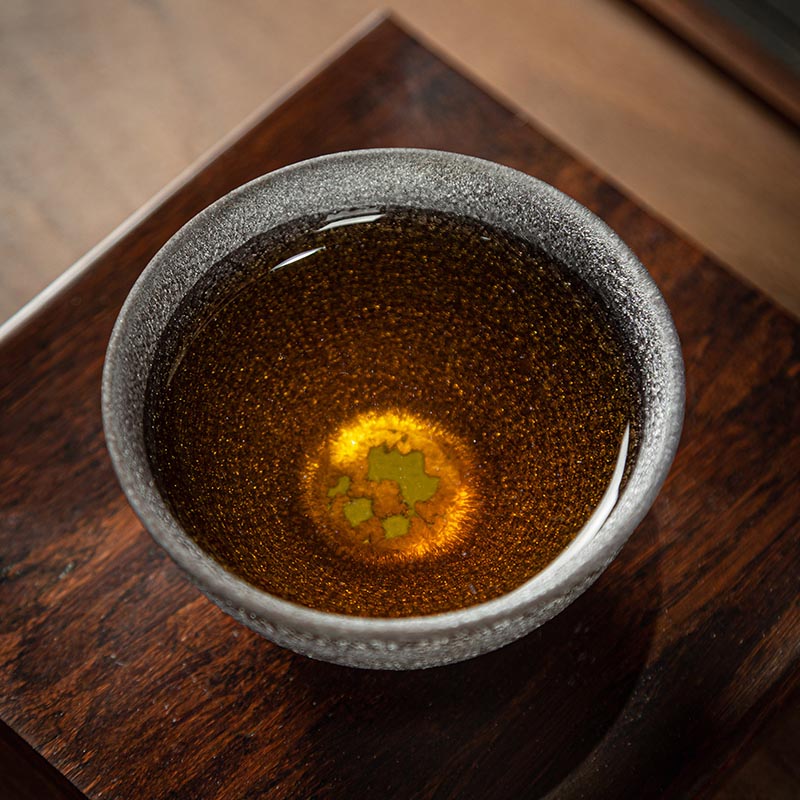
For a Western audience, embracing a Chinese clay tea set is like inviting a piece of history into one's home. It’s not just about drinking tea — it’s about experiencing a way of life. It's the thrill of learning how to care for the clay, of discovering which teas sing their finest notes when brewed within it. It’s about savoring the quiet moments and acknowledging the sound of water pouring, the scent of tea leaves unfurling.
There’s a kind of magic in that simplicity, a connection that transcends time and geography. In the end, whether you’re in Beijing or Boston, to hold a clay teapot is to hold a slice of Earth's story, told in the language of leaves and whispers of fire. The beauty of a Chinese clay tea set lies not in its price or its rarity, but in its ability to invite us to pause, reflect, and savor the quiet pleasures of life, one sip at a time.