A Guide to Trimont Ware Japan Teapots and Their Brewing Benefits
A Trimont Ware Japan teapot sits in an interesting place on a tea table. It is Japanese in origin, usually mid‑century, often glazed, sometimes a little sturdier in build than the thin, highly refined porcelain many people associate with East Asian tea. When I first handled one, what struck me was not elegance in the abstract, but balance. The pot had a certain steadiness in the hand, a grounded feeling when filled with hot water.
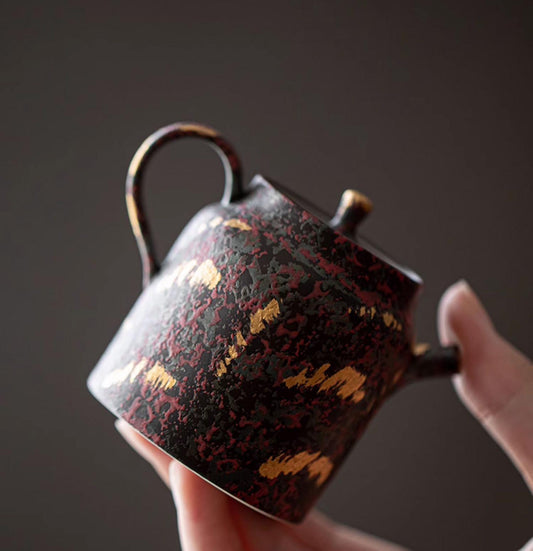
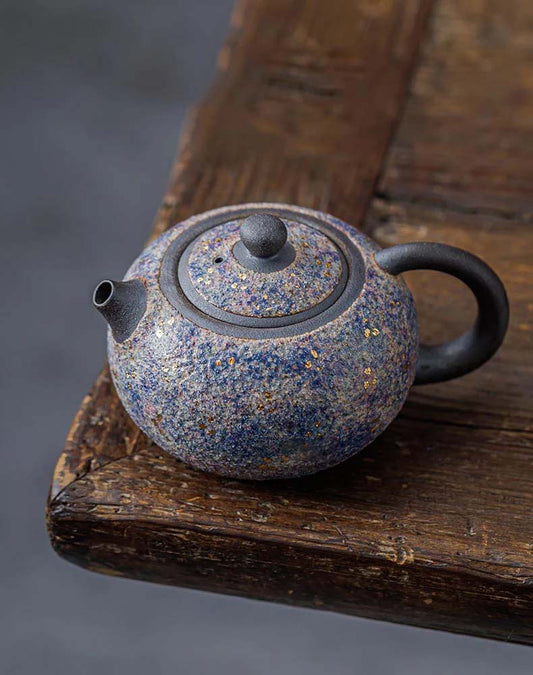
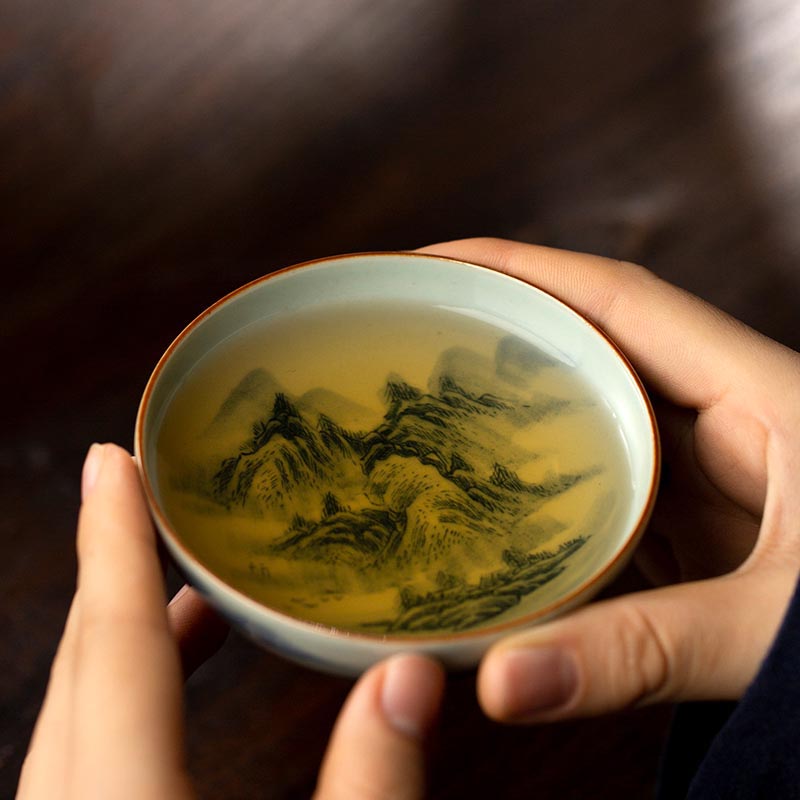
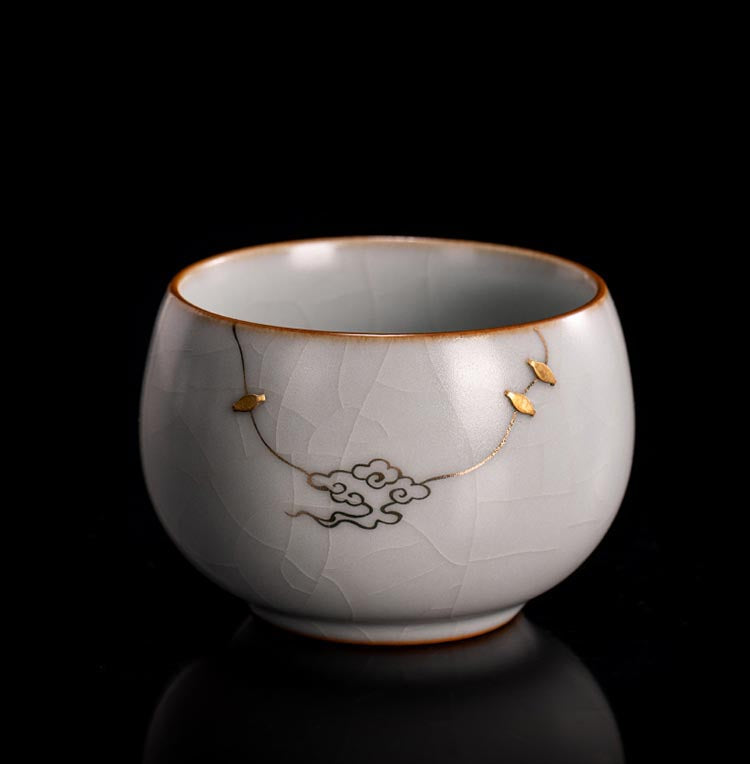
Most Trimont Ware teapots I have seen are glazed stoneware. The glaze tends to be practical rather than showy, sometimes a soft celadon tone, sometimes a mottled earth color that breaks darker along the edges of the lid and spout. If you look closely at the rim, you can often see where the glaze thins and the clay body shows through slightly warmer underneath. That thin line at the lip is not decorative. It is simply how glaze behaves in the kiln, but over time it becomes part of how you recognize the pot.
The lid fit matters more than people expect. On a good example, the lid settles with a soft, dry click when you turn it into place. Not a loose wobble, not an airtight suction, just a slight resistance and then stillness. When pouring, that fit determines whether you can tilt confidently without steadying the lid with a finger. In gongfu brewing, where you pour quickly and cleanly between short infusions, that small detail changes the rhythm of the session. A lid that shifts forces you to hesitate. A lid that holds allows you to move without thinking.
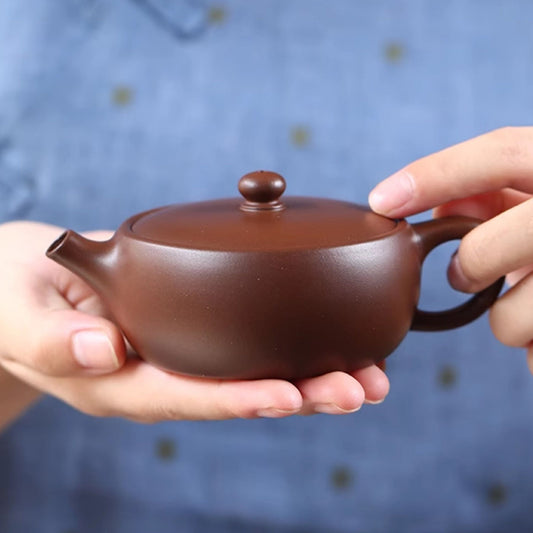
These teapots are not Yixing, and they do not behave like unglazed clay. The glaze creates a sealed surface, so they are more flexible in use. You can brew a roasted oolong in the morning and a sencha or even a lighter Chinese green later without worrying about flavor retention in the walls. That makes them practical for someone who does not want to dedicate a pot to a single category of tea. At the same time, the walls are often thicker than fine porcelain, which means they hold heat well. With rolled oolongs that need sustained warmth to open, that heat retention can be helpful. You feel it when you wrap your fingers around the body after the first infusion. The warmth lingers.
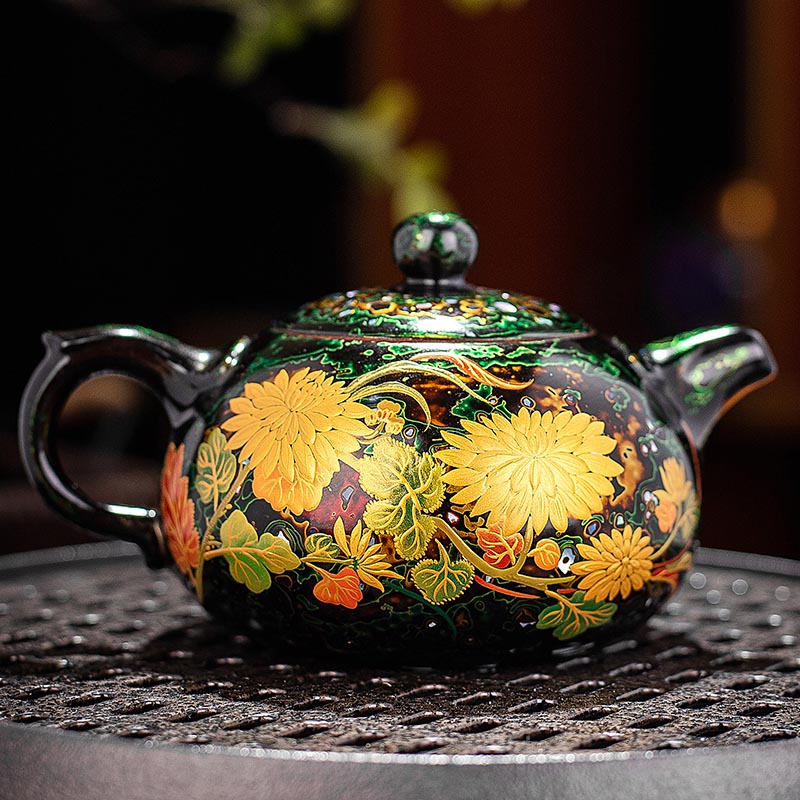
The spout design varies, but many Trimont Ware pots pour in a steady, rounded stream. Not needle thin like some modern gongfu pots, but controlled. The key is whether the stream breaks cleanly at the end. After you finish pouring, does the last thread of tea snap back, or does it crawl down the spout and leave a stain along the body? With use, you learn the angle that keeps the line clean. You also learn to wipe the spout immediately with a tea towel. Over time, a faint darkening may still appear where tea meets glaze again and again. It is not damage. It is simply evidence of repetition.
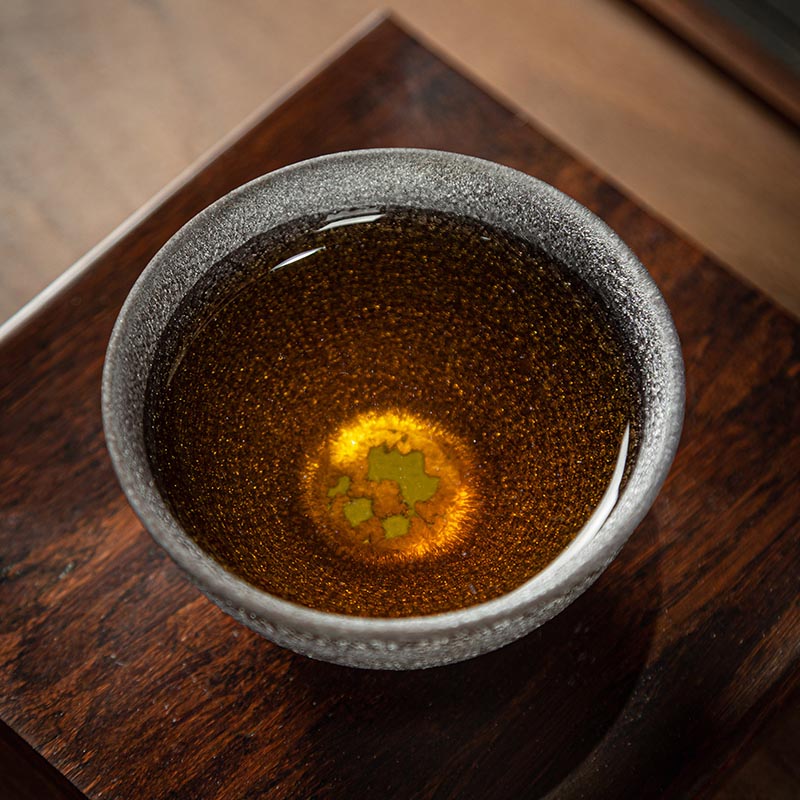
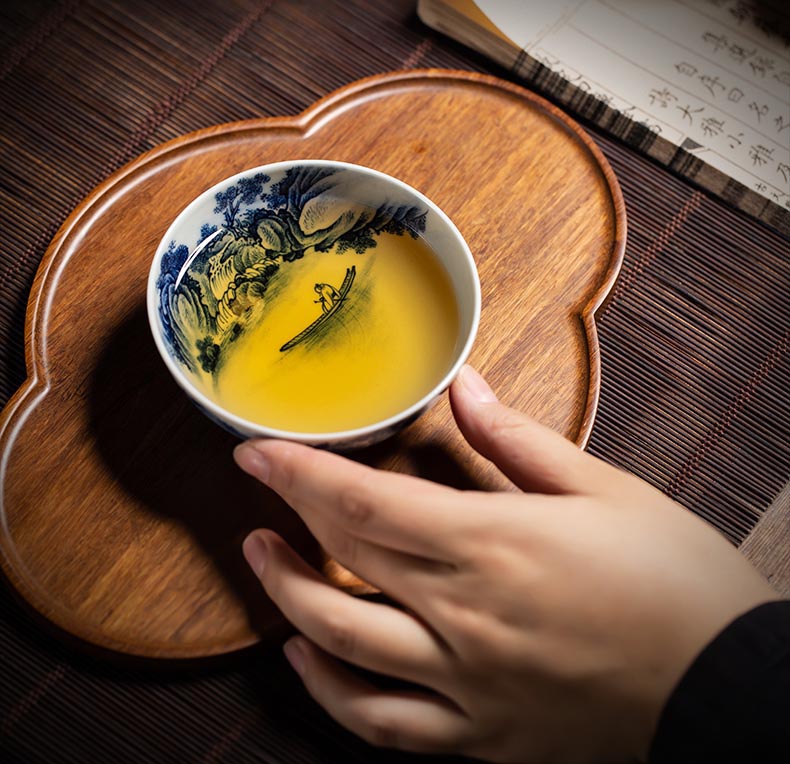
In a Chinese gongfu setting, a Japanese stoneware pot can feel slightly out of place visually if the rest of the table is Yixing clay and thin white porcelain cups. But functionally, it works. I have used one with a fairness pitcher and small porcelain tasting cups, brewing Wuyi yancha in short infusions. The pot’s thicker walls kept the liquor hot through multiple quick pours. The handle, often a simple loop, stayed cool enough to grip comfortably. That comfort matters when you are pouring ten, fifteen times in a row.
There is also something honest about a mid‑century production teapot. It was made to be used daily, not admired behind glass. The foot ring may be slightly rough if you run a finger along it. The interior glaze might show tiny pinholes from firing. These details do not interfere with brewing. If anything, they make you less anxious. You are more willing to rinse it briskly, to set it down firmly on a tea tray, to let it develop small scratches from years of contact with cups and pitchers.
Cleaning is straightforward. Because the interior is glazed, a simple hot water rinse after each session is usually enough. If you brew heavily roasted or very dark teas, you may notice a gradual film inside. It can be removed gently, but I tend to leave a light seasoning. Not because I believe it transforms the tea in any dramatic way, but because it records use. The inside surface loses its bright shine and becomes slightly softer in appearance. When you open the lid and look in, you see time.
What interests me most about a Trimont Ware Japan teapot in a Chinese tea context is how adaptable it is. It does not insist on ceremony. You can use it for a careful gongfu session with a tea tray and measured leaves, or you can place it on a simple wooden table with a jar of loose leaf and brew more casually, longer infusions, fewer cups. It does not demand a particular narrative. It asks only that you pay attention to water temperature, leaf quantity, and the way the stream falls into the cup.
After a while, the pot becomes less about its origin and more about its behavior. How it warms in your hand. How the lid sounds when you set it down. How the glaze catches late afternoon light when the tea session is nearly over and the leaves have given most of what they have. Those are the things that keep it on the table instead of on a shelf.