Using a Porcelain Teapot for Richer Gongfu Tea Flavor and Aroma
A porcelain teapot asks for less adjustment than people expect. It does not need seasoning, it does not absorb flavor, and it does not require ceremony to perform well. You rinse it, warm it, add tea, and pour. The simplicity is part of its appeal.
Before the first infusion, I like to fill the pot with hot water and let it sit for a moment. Porcelain gives up heat quickly. Preheating evens things out and keeps the first steep from thinning out too fast. When you empty that water, you can feel the difference immediately. The body of the pot is no longer cool and chalky under your fingers but gently warm, almost silky if the glaze is good.
Leaf goes in next. With gongfu brewing, the pot is usually small, often just large enough to fill a few tiny cups. The proportion matters. Too large and the tea spreads out flat inside, losing some intensity. Too small and the leaves have no room to open. With porcelain you can use green tea one session, yancha the next, ripe pu’er the day after. The glaze does not hold on to yesterday’s smoke or fruit. That neutrality is useful when you drink widely.
When you pour in hot water, listen for the sound inside the pot. It shifts as the leaves begin to unfurl. Place the lid gently and notice how it settles. A well-made porcelain lid should seat itself with a soft, precise contact. If you tilt the pot slightly and press the small air hole on the lid, the flow should pause cleanly. Release it, and the stream resumes. That control becomes second nature once you’ve used the pot a few times.
Porcelain pours differently from Yixing clay. The walls are usually thinner. The stream can be quick and clear, sometimes almost sharp. A good spout lines up cleanly with the body, and when you tilt the pot, the weight shifts forward without strain on the handle. I pay attention to that moment when the pot is nearly empty. A balanced one does not lurch or drip from the lip. The last thread of tea cuts off decisively.
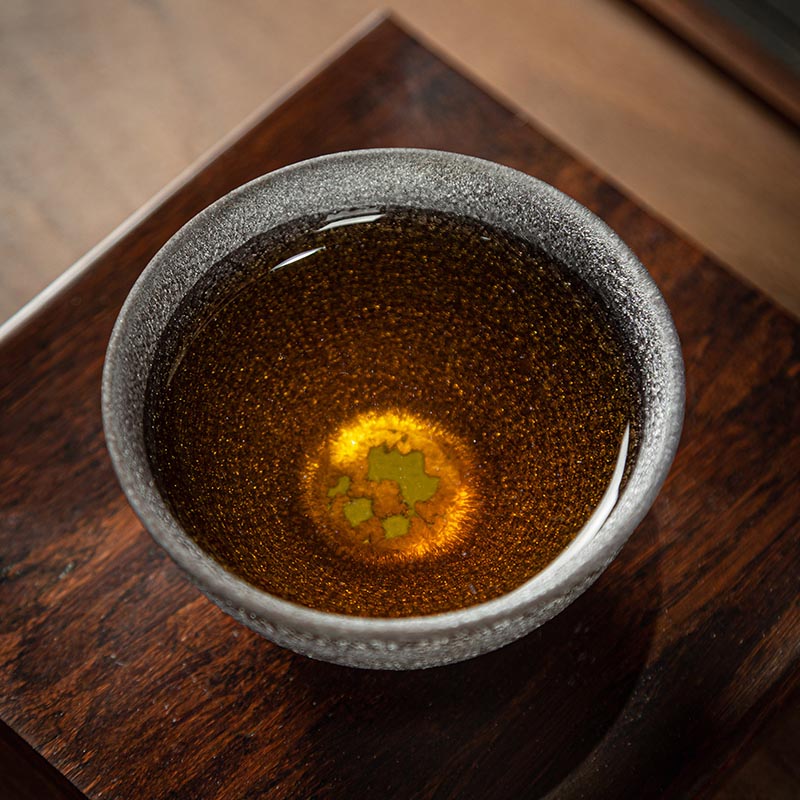
In gongfu brewing, you often decant fully into a fairness pitcher before serving. This keeps the infusion even for everyone drinking. With porcelain, that transfer is crisp. The liquor shows its color clearly against the pale interior. You see whether the roast on a Wuyi oolong has deepened to amber, or whether a green tea has stayed bright and light. Porcelain does not soften or mute the hue.
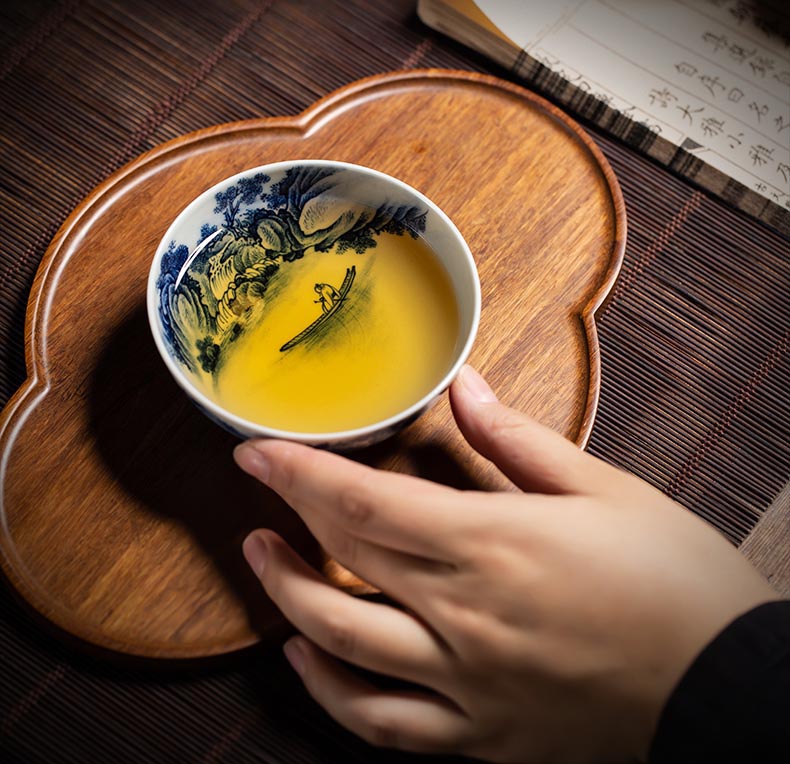
Cups matter here too. Thin porcelain cups echo the teapot. When you lift them, they cool quickly, which means you can bring the tea to your lips without waiting long. The rim should feel fine but not sharp. After a few infusions, the pot grows warmer and the lid slightly slick from steam. You get used to holding the knob between finger and thumb, steady but relaxed.
Cleaning a porcelain teapot is uncomplicated. Empty the leaves promptly. Rinse with hot water. Avoid soap unless you truly need it, and even then, rinse thoroughly. Over time, the inside may take on a faint tea tint. It is not the same as the dark sheen that develops on unglazed clay. It is lighter, more like a memory than a patina. If you brew strong teas often, you may see a ring just above the usual water line. A soft cloth and warm water usually take care of it.
Because porcelain is glazed, it shows chips and hairline cracks plainly. It is not forgiving if you knock it against a sink or stack it carelessly with heavier ware. The foot ring underneath should be smooth, well trimmed, not gritty against the tea tray. When you set it down, it should sit flat without rocking. These are small things, but they affect how often you reach for it.
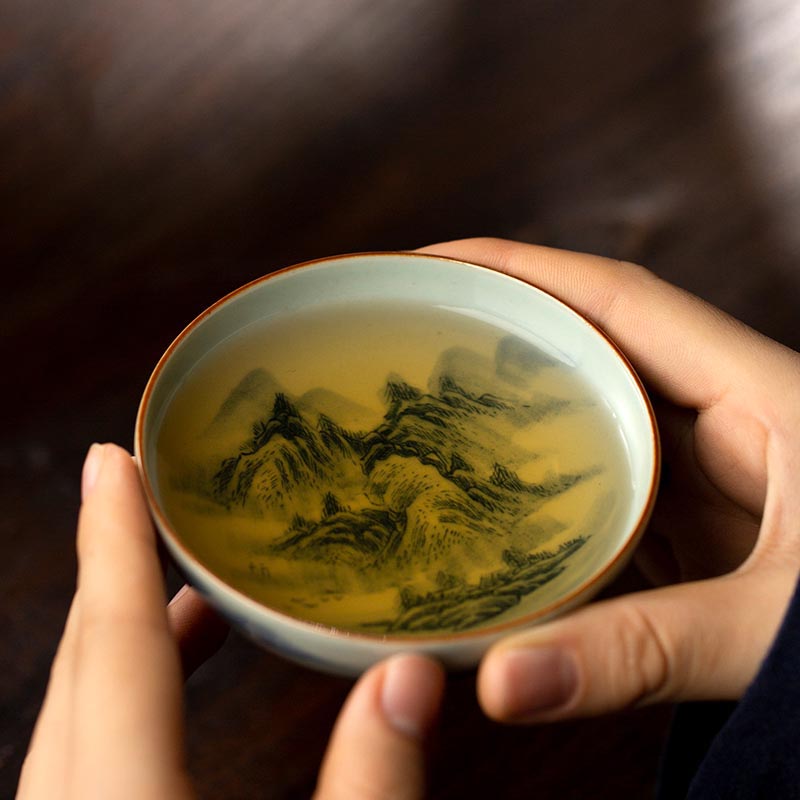
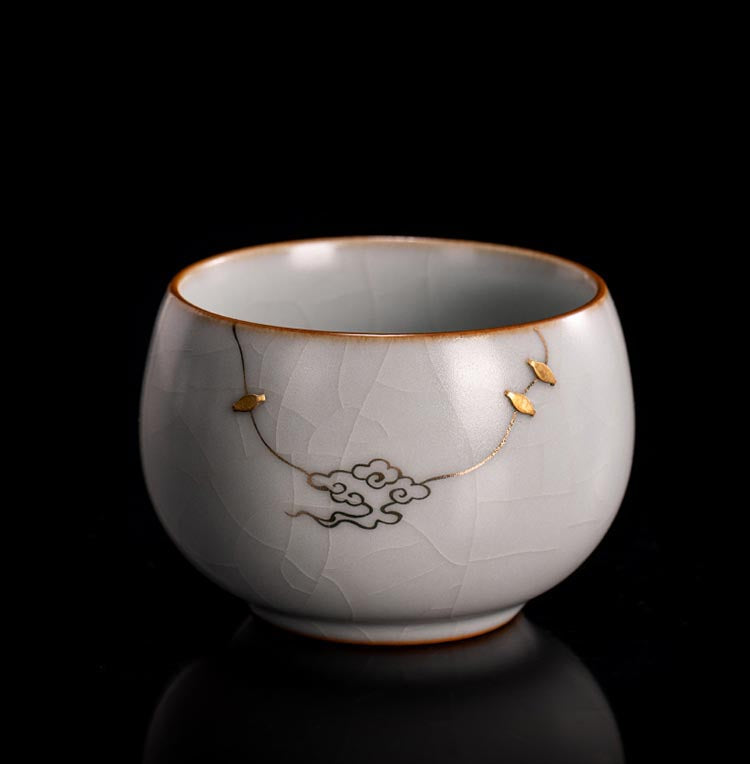
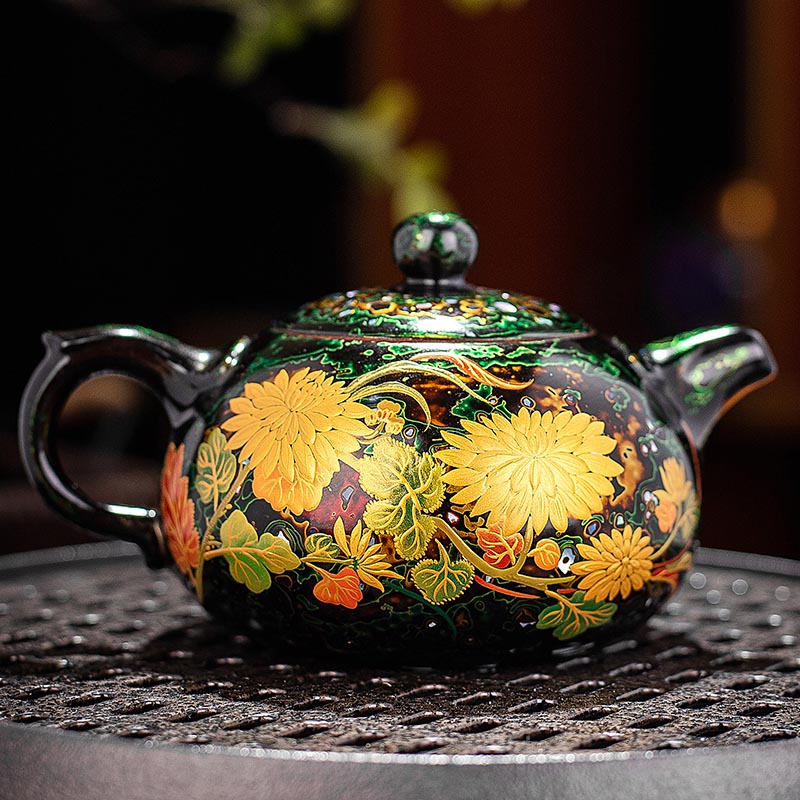
Some porcelain teapots are painted or carved under the glaze. I tend to prefer simpler surfaces for daily use. A clear white or a quiet celadon lets you focus on the tea. Under soft light, a good glaze has depth without glare. When steam rises and condenses briefly on the lid, the surface looks almost alive, then settles back into stillness as it dries.
Using a porcelain teapot well is mostly about attention. Water temperature, leaf quantity, timing. The pot itself does not intervene much. It does not round the edges of a harsh tea or amplify aroma the way certain clays can. It shows you the tea fairly. For many sessions, especially when I am tasting something new, that honesty is exactly what I want.
After you finish, leave the lid slightly ajar so the interior can dry fully. The next time you lift it from the shelf, it should feel clean and ready, with no lingering scent. There is something satisfying about that neutrality. It makes each session distinct. The pot does not carry yesterday forward. It waits.