The Right Teapot Shapes the Flavor and Aroma in Your Cup
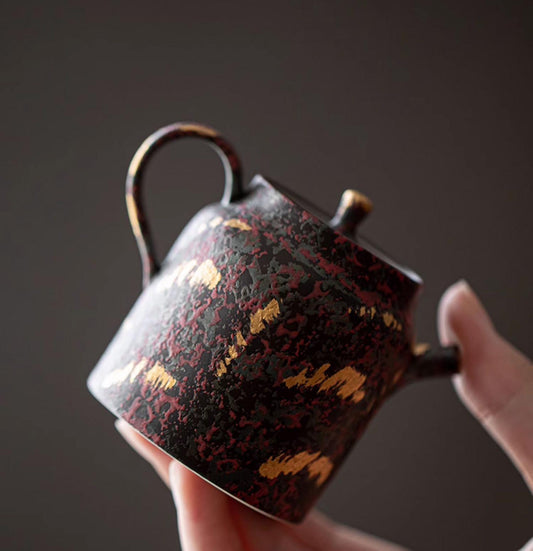
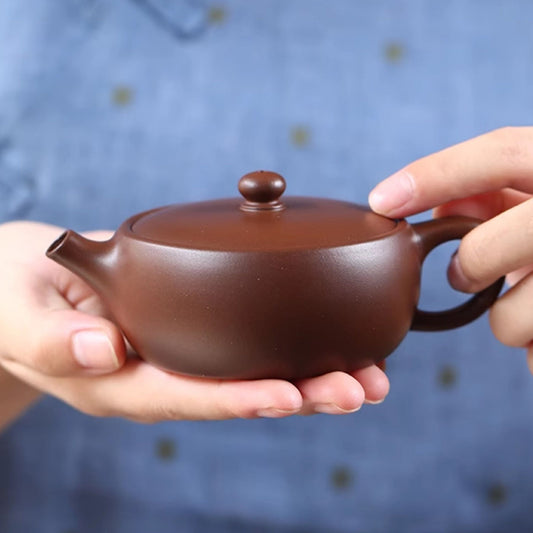
A good teapot shows its character the moment you lift it, before any water goes in. The balance tells you whether the handle was shaped with a real hand in mind or just drawn nicely on paper. When I pick up a small Yixing pot meant for gongfu brewing, I always tilt it slightly, empty, just to feel how the weight shifts from body to spout. If the center of gravity sits too far forward, the wrist compensates. If the handle is too round or too thin, your fingers start working harder than they should. The best ones feel steady without effort.
With loose leaf tea, especially rolled oolong or twisted black tea, the size of the pot matters more than people expect. A 100 to 150 milliliter pot concentrates heat and aroma in a way a larger Western teapot cannot. The leaves open quickly, press against the walls, and release their fragrance into a small interior space. When you pour, the spout should send out a clean, unbroken stream. Not too thick, not dribbling. If the lid is fitted well, you can cover the air hole with a finger and the stream will stop instantly. That small pause, controlled with a fingertip, becomes part of the rhythm of brewing.
Unglazed clay changes the experience subtly over time. A new Yixing pot can feel dry and almost chalky in the hand. After months of brewing the same type of tea, the surface softens. It does not become shiny in a flashy way, but there is a quiet sheen where your thumb rests on the lid knob and where your palm supports the body. The clay absorbs tiny traces of tea oils. Some people exaggerate what this does to flavor, but I do think repeated use rounds the edges of certain teas, especially roasted oolongs. More noticeable, at least to me, is how the pot begins to feel familiar, like a wooden tool that has been handled daily.
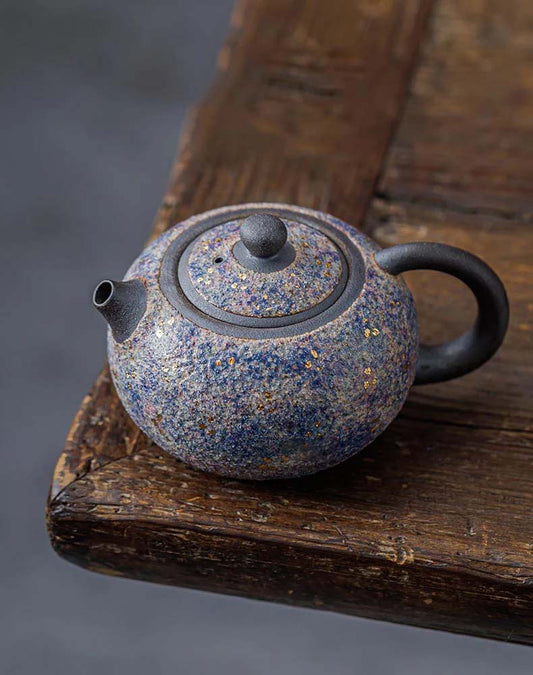
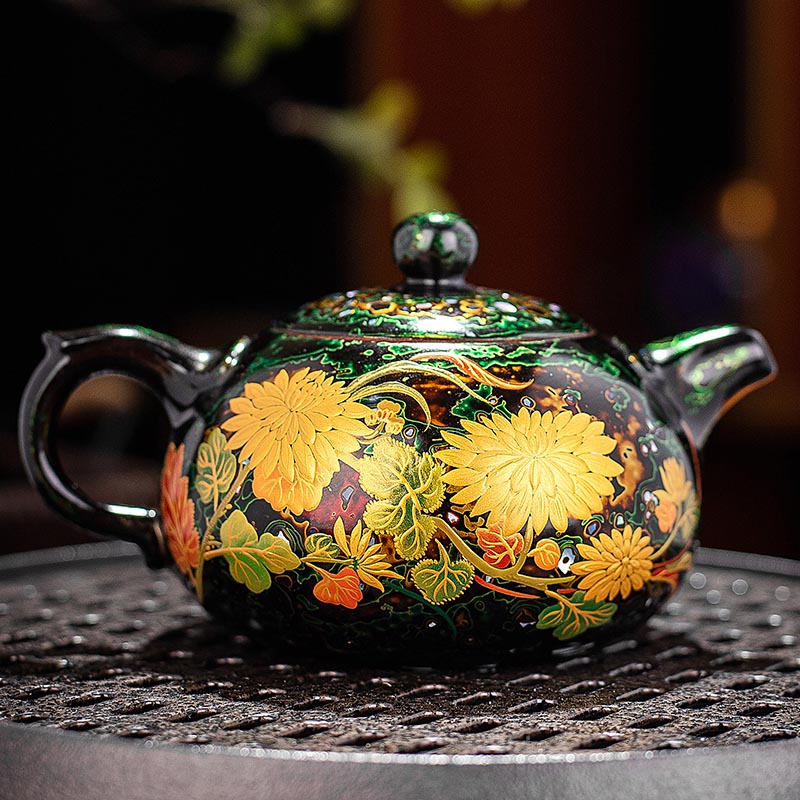
Porcelain teapots behave differently. They are honest in a direct way. Glazed porcelain does not absorb anything, so what you taste is the tea and your water, nothing else. The walls are often thinner, which means heat drops faster unless you preheat carefully. When you pour from a porcelain pot with a well-cut spout, the stream can be almost surgical, precise and narrow. In a quiet room you can hear the lid settle back into place with a soft click when you set the pot down. That sound tells you the lid and rim were trimmed to match each other closely.
I pay attention to the underside of the lid as much as the exterior. Is the inner flange smooth? Does it seat evenly inside the mouth of the pot? A lid that wobbles or rattles will usually leak slightly at the rim during a fast pour. With gongfu brewing, where infusions are short and frequent, that small leak becomes annoying. You end up wiping the pot again and again with a tea towel, not out of ceremony but out of necessity.
The teapot rarely works alone. In practice, it sits on a tea tray beside a fairness pitcher and a few small cups. After each infusion, the tea is poured from the pot into the pitcher first, which evens out the strength before serving. This step protects the balance of flavor, but it also protects the pot. You can empty it fully and quickly, so the leaves are not left steeping in a shallow pool of water. A well-designed spout helps here. If the last trickle clings to the lip and runs down the belly of the pot, you will notice the stain lines over time.
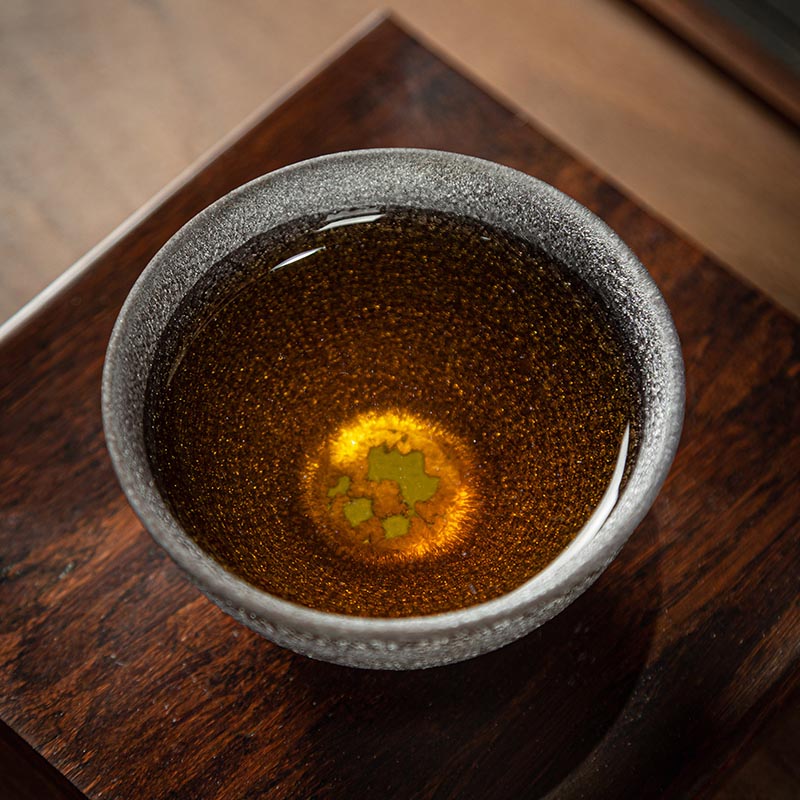
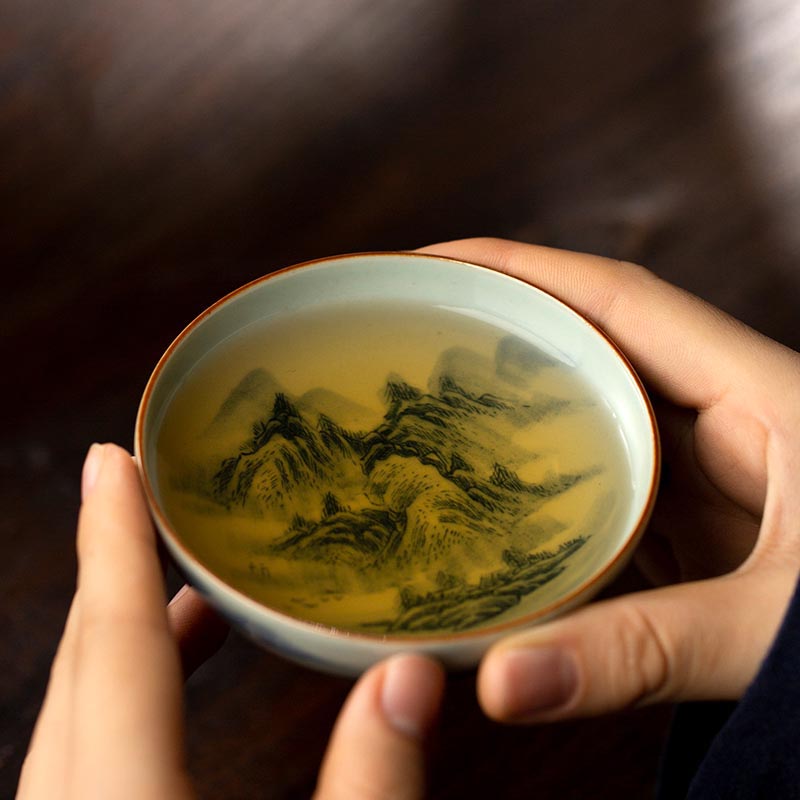
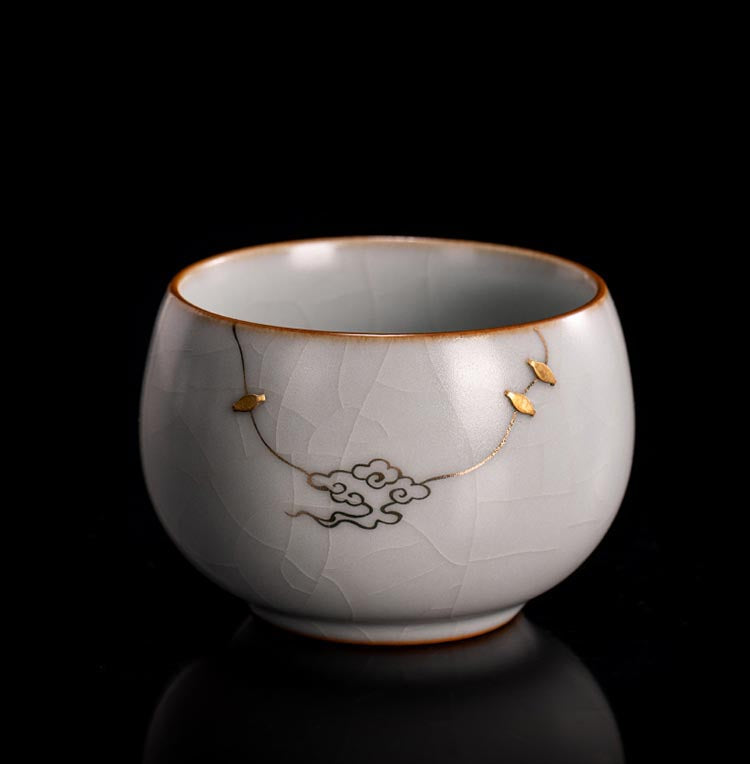
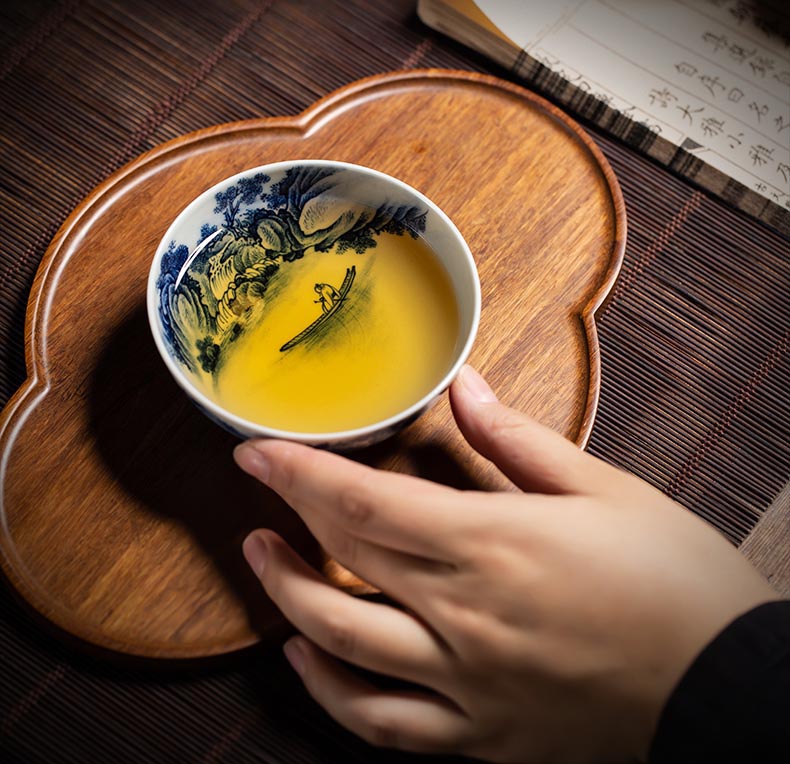
Cups matter too, even if the teapot does most of the brewing work. A thin porcelain cup highlights aroma. You can hold it near your nose and the heat carries fragrance upward. Thicker cups, especially those with a slightly flared rim, feel steadier in the hand and soften the sip. When you raise a small cup, you feel the warmth collect at your fingertips. With clay cups, the exterior warms more slowly, and the texture is drier, almost sandy. That texture can make you more aware of the act of holding.
There is also the quiet routine around the pot. Before the first infusion, I line up the tools almost without thinking. Tea scoop, kettle, pot, pitcher, cups. The dry leaves go into the warmed pot with a faint rustling sound. When hot water hits them, the lid goes on, and you can sometimes hear a low shifting inside as the leaves expand. After pouring out the first rinse, steam escapes in a brief cloud when the lid is lifted. None of this is dramatic. It is just a sequence that becomes familiar through repetition.
Cleaning is straightforward but not careless. Unglazed clay should be rinsed with hot water only. Soap leaves a scent that lingers longer than you expect. Porcelain is more forgiving, but even there I prefer not to use anything heavily scented. After a session, I leave the pot open to dry completely. A damp interior can develop a stale smell, especially in humid weather.
Over time, certain teapots earn their place through use rather than appearance. Some look impressive on a shelf but feel awkward when filled with boiling water. Others are plain, even slightly uneven, but pour beautifully and sit comfortably in the hand. Those are the ones that end up on the tray again and again. When you reach for a pot without thinking, because you know exactly how it will respond, that is when teapot and tea start to feel properly matched.