The Soul of Clay Exploring the Asian Clay Teapot
The Soul of Clay Exploring the Asian Clay Teapot
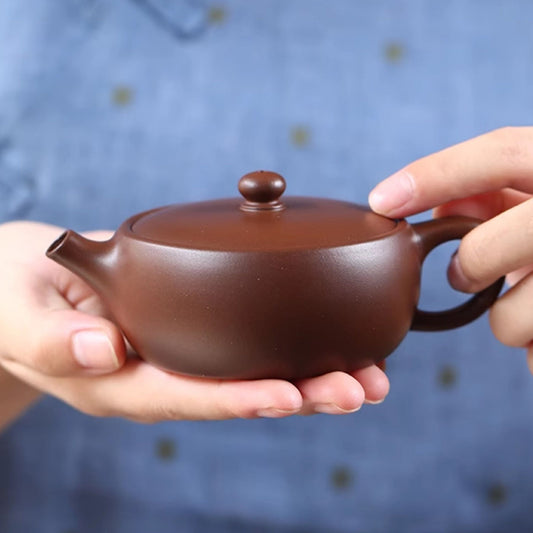
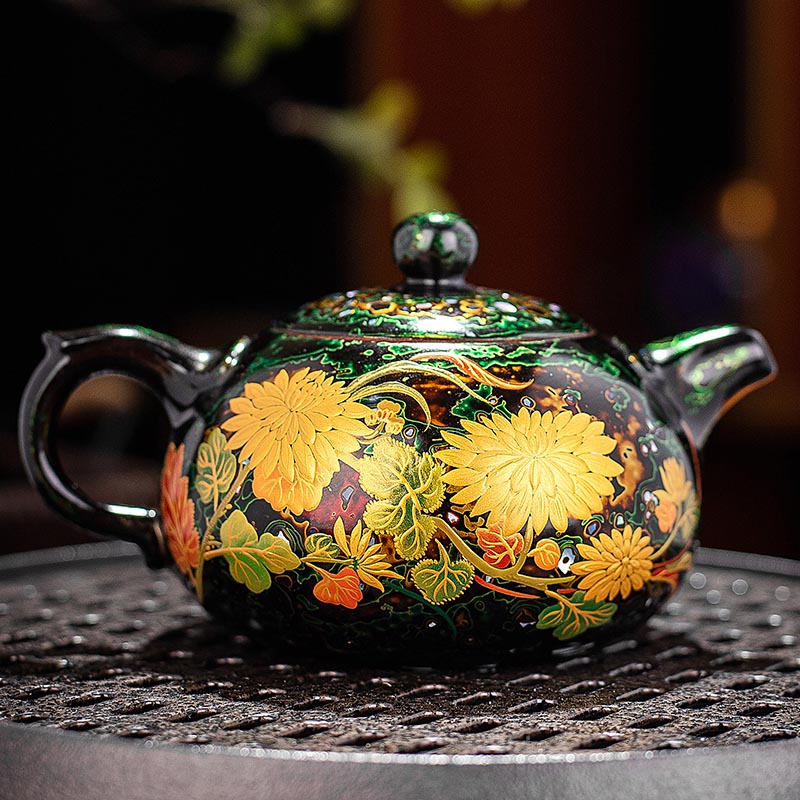
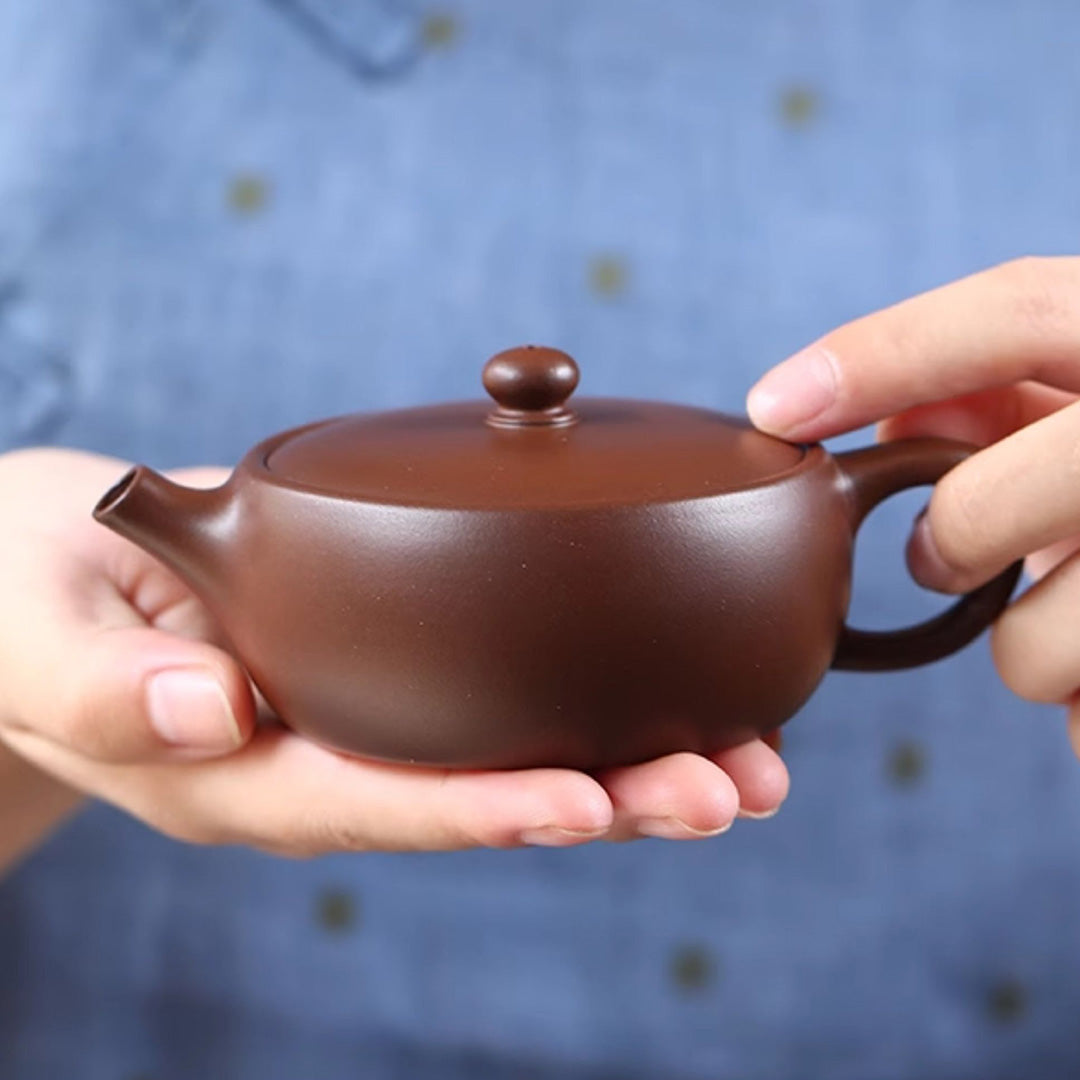
There’s something almost alchemical about holding an Asian clay teapot in your hands. I remember the first time I encountered one. It was a Yixing teapot, the kind that's revered among tea enthusiasts for its porous material and its unique ability to retain the memory of tea. The pot was small, its surface smooth but earthy, warm in the way that only clay can be. My friend, who introduced me to its wonders, told me to imagine the countless cups of tea this pot had brewed, each one subtly seasoning the clay with a part of its essence.
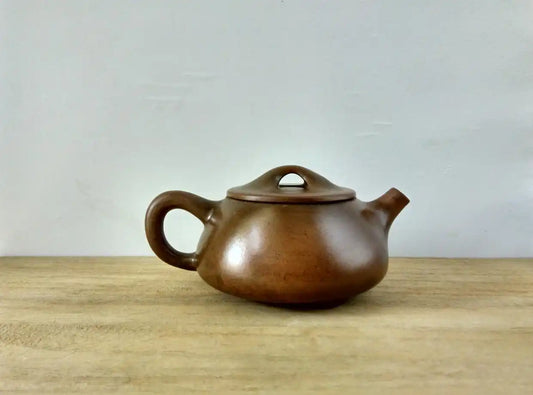
The origin of these teapots can be traced back to Yixing, a place which seems almost mythical in its significance to tea culture. Located in Jiangsu Province, China, Yixing is the birthplace of the Zisha clay teapot, a name that has become synonymous with elegance and the art of tea-making. The clay from this region possesses a particular quality; it’s highly porous, allowing the pot to absorb the oils and aromas of the tea leaves, thereby enhancing the flavor with each brew. This melding of old and new, past and present, is a continuous dance that every cup of tea performed by a Yixing teapot seems to narrate.
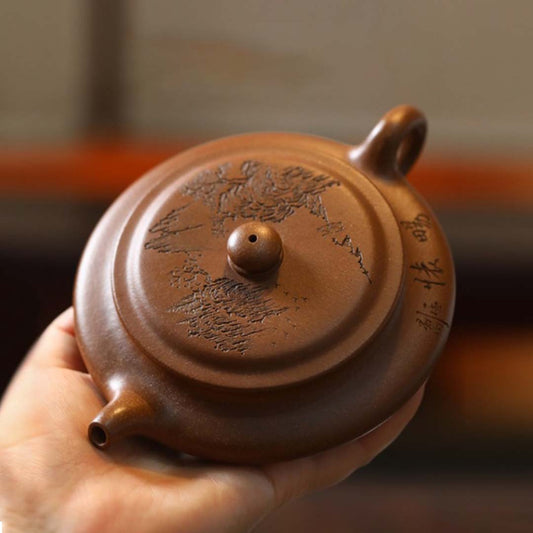
Such teapots are more than just vessels; they are heirlooms. Each piece is handmade, a product of skilled artisans who have inherited techniques passed down across generations. This is not mere production; it is a labor of love and a testament to the enduring relationship between man and earth. The process is intricate, demanding precision and patience. Each teapot has its own nuances, shaped by the hands that mold it and fired in kilns that are sometimes thousands of years old. The resulting piece is a story encoded in clay, waiting to be unlocked with each sip of tea it offers.
But it’s not just the craftsmanship that makes these clay teapots special; it’s the way they invite you to slow down and engage with the practice of tea drinking. I’ve come to see my teapot as a companion, an extension of the ritual itself. Preparing tea in a clay pot is a sensory experience; the weight of the pot in your hands, the sound of water pouring, the aroma that begins to bloom, all encourage a moment of reflection and presence that modern conveniences often overlook.
There’s a legend, too, that adds a layer of magic to these teapots. It's said that during the Ming Dynasty, a monk once used a Yixing pot to brew tea in a way that captivated even the emperor. Whether this tale is fact or fable, it speaks to the timeless allure of the clay teapot — an object that defies the transient nature of trends, rooted deeply in the past yet always ready to enrich the present.
In a world that moves too fast, where technology often drowns out tradition, embracing something as humble yet profound as an Asian clay teapot feels like reclaiming a bit of serenity. It’s a reminder that sometimes, the most meaningful experiences are found in simplicity, shaped by hands that understand the secret language of clay.